

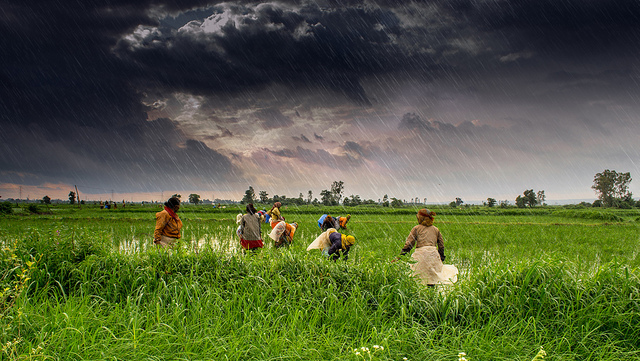
According to the India Meteorological Department (IMD), rainfall in September 2025 is expected to register above-average levels, about 109% of the 50-year average in many regions, though some northeastern and southern states may get less. This forecast comes after August also saw rainfall somewhat above normal. While extra rain is good news in many respects, it also raises significant environmental, agricultural and policy challenges. Understanding both the benefits and the risks is vital.
What the Forecast Says
IMD projects September rainfall will be above normal in most parts of the country, with overall rainfall around 109% of long-term average.
Regions expected to receive less include some northeastern states, and parts of southern India like Tamil Nadu and Kerala.
This follows a wetter August (about 5% above normal), contributing to cumulative rainfall being favorable in many areas.
Environmental Stakes
1. Water Security & Reservoir Replenishment
Above-normal monsoon helps to refill rivers, lakes and groundwater aquifers, which have been stressed in some regions. This improves drinking water availability and supports irrigation.
2. Soil Moisture & Agricultural Health
Good rainfall improves soil moisture for both existing crops and upcoming ones. It also supports forest cover and ecosystem health, reducing drought‐like stress in vegetation.
3. Risks of Flooding, Landslides & Erosion
Too much rain in short periods can lead to flash floods, river overflows, landslides in hilly terrain, especially where soil is loose or deforestation has occurred. Soil erosion can damage agricultural land.
4. Impacts on Biodiversity & Ecosystems
Wetlands, forests and coastal ecosystems may be positively affected, but extreme events (flooding, waterlogging) can stress species not adapted to excess water. More rainfall can also facilitate spread of waterborne diseases or pests.
5. Climate Variability & Extremes
While an above-average forecast is good, the pattern of rainfall (temporal distribution, intensity) matters. Heavy spells followed by dry spells can be more disruptive than steady, moderate rainfall. Coupled with global climate change, monsoon behaviour is becoming more unpredictable.
Policy Stakes & Challenges
1. Agricultural Planning & Crop Loss Mitigation
Many crops like rice, cotton, soybean, pulses etc. are harvested starting mid-September. Heavy rains then can damage crops ready for harvest. Sowing of winter or Rabi crops could benefit from better soil moisture if managed well.
2. Disaster Preparedness & Early Warning Systems
States must strengthen flood forecasting, landslide early warnings, and emergency response in hilly or flood-prone zones. Block- or district-level rainfall monitoring could help with better response.
3. Water Management & Infrastructure
Dams, canals, reservoirs need to be managed to avoid overflow while ensuring storage. Urban drainage systems need maintenance to prevent waterlogging and urban flooding.
4. Insurance, Pricing & Trade Policy
Crop insurance schemes may see higher claims; policy may need to adjust compensation protocols. Trade policies (export/import of crops) could be affected in case of crop damage or surplus. Pricing of agricultural inputs, storage, supply chain logistics need readiness.
5. Environmental Regulation & Land Use
Deforestation, unchecked hill cutting, weak buffer zones in rivers and coasts increase risk of disasters. Enforcement of regulations is crucial. Land use zoning, forest cover, soil conservation measures need attention.
6. Governance Coordination & Inter-agency Collaboration
Coordination among IMD, state governments, Agriculture Departments, Water Resources, Disaster Management Authorities is essential. Real-time data sharing and local action plans are key.
What To Watch / For Policymakers & Stakeholders
Monitor spatial distribution of rainfall — which states get surplus, which remain deficit.
Track extreme rainfall events, especially in shorter intervals, not just total monthly rainfall.
Keep an eye on crop status around mid-September, especially those nearing harvest.
Alert systems and disaster risk responses ready in flood prone & landslide prone regions.
Water resource management for both surplus and deficit areas: prepare for overflow and storage.
Conclusion
An above-average monsoon rainfall forecast for September brings hope: replenished water resources, good conditions for upcoming agricultural cycles, and environmental rejuvenation. But the upside comes with risks: crop damage, disasters, infrastructure pressure, and policy challenges. The outcome will depend on how well India leverages forecasting, preparations, and adaptation efforts to turn this forecast into a net benefit rather than allowing it to become a liability.
FAQ
Q1. What does “above-average monsoon” mean in this case?
It means September rainfall is expected to be around 109% of the long-term (50-year) average in many parts of India, except in some northeastern and southern regions.
Q2. Which crops are most at risk under heavy rains?
Summer-sown crops like rice, cotton, soybeans, pulses, and corn are near harvest by mid-September, so heavy rains can damage them.
Q3. Is more rain always good for farmers?
Not always. While moderate, well-distributed rainfall helps, excessive or poorly timed heavy rain can damage crops, cause lodging, lead to waterlogging, and increase disease risk.
Q4. How should policy respond to this forecast?
By bolstering early warning systems, enabling disaster response, adjusting crop insurance, managing water infrastructure and drainage, protecting vulnerable ecosystems, and ensuring coordinated planning among states.
Q5. How does climate change bear on this?
Climate change makes monsoon behaviour more erratic: more intense downpours, uneven distribution, unpredictable onset and withdrawal. This increases the risk side of heavy rainfall events and makes adaptability even more important.
Published on : 19th September
Published by : SMITA
www.vizzve.com || www.vizzveservices.com
Follow us on social media: Facebook || Linkedin || Instagram
🛡 Powered by Vizzve Financial
RBI-Registered Loan Partner | 10 Lakh+ Customers | ₹600 Cr+ Disbursed
https://play.google.com/store/apps/details?id=com.vizzve_micro_seva&pcampaignid=web_share