

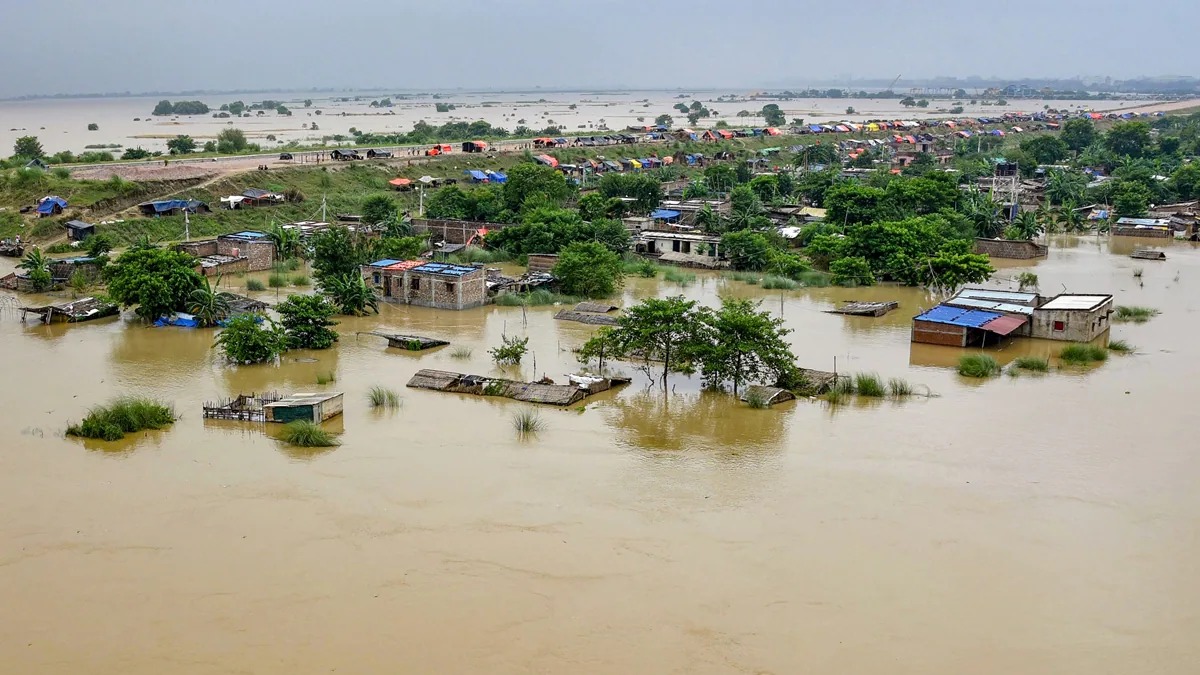
India is facing heightened flood alerts as 25 river monitoring stations across multiple states report severe flood conditions. Heavy monsoon rains, coupled with swollen riverbanks, have put authorities and residents on high alert, highlighting the urgent need for flood preparedness and disaster management.
Current Flood Situation
Number of Stations Affected: 25 river monitoring stations across India.
Regions Impacted: Key flood-prone states include Assam, Bihar, West Bengal, Uttar Pradesh, and Odisha.
Cause: Continuous heavy rainfall, river overflow, and water release from dams.
Impact:
Submergence of low-lying areas.
Disruption in road, rail, and local transport.
Threat to agriculture and livestock.
Factors Contributing to Floods
Excessive Monsoon Rainfall
Intense rainfall in short periods has overwhelmed rivers and drainage systems.
River Overflow
Rivers like Ganga, Brahmaputra, and Mahanadi are exceeding danger levels in multiple districts.
Dam Water Release
Controlled water release from dams has contributed to rising river levels downstream.
Urban Flooding
Poor drainage in cities along riverbanks exacerbates flood impacts.
Measures Taken by Authorities
Flood Alerts: Central and state agencies have issued red and orange alerts for high-risk areas.
Evacuations: Residents in vulnerable zones are being relocated to safer shelters.
Rescue Operations: National Disaster Response Force (NDRF) and state agencies are deployed for rescue and relief.
Monitoring: Continuous river level tracking and early warning systems are active to prevent casualties.
Impact on Communities
Agriculture: Crops in low-lying areas are at risk of damage, affecting livelihoods.
Infrastructure: Roads, bridges, and rail lines are disrupted, impacting transport and trade.
Health: Waterlogging increases the risk of waterborne diseases.
Economic Loss: Local businesses and markets face temporary shutdowns and losses.
Precautionary Tips for Residents
Stay Updated: Monitor alerts from the India Meteorological Department (IMD) and local authorities.
Evacuate Safely: Move to designated relief shelters if instructed.
Emergency Kits: Keep essentials like food, water, medicines, and documents ready.
Avoid Flooded Areas: Stay away from rivers, drains, and low-lying roads.
Community Support: Assist vulnerable neighbors, including the elderly and children.
Key Takeaways
Severe floods have been reported at 25 river monitoring stations across India.
Floods threaten lives, agriculture, infrastructure, and local economies.
Authorities are actively monitoring rivers, issuing alerts, and conducting evacuations.
Residents should follow guidelines and stay alert to mitigate risks.
Conclusion
The current flood situation in India underscores the importance of robust disaster management and preparedness. With continuous monitoring and coordinated efforts, the impact of floods can be minimized, saving lives and protecting livelihoods.
✍️ As rivers swell and monsoon rains continue, vigilance and timely action are crucial to safeguard communities across the country.
❓ Frequently Asked Questions (FAQ)
Q1. How many river stations in India are reporting flood conditions?
Currently, 25 river monitoring stations across multiple states have recorded severe flood levels.
Q2. Which states are most affected by the floods?
Key affected states include Assam, Bihar, West Bengal, Uttar Pradesh, and Odisha.
Q3. What causes these severe floods?
Floods are caused by heavy monsoon rainfall, river overflow, and controlled dam water release.
Q4. What measures are authorities taking?
Authorities have issued flood alerts, conducted evacuations, deployed NDRF teams, and activated river monitoring systems.
Q5. How can residents stay safe during floods?
Residents should follow official alerts, evacuate if advised, keep emergency kits ready, and avoid flooded areas.
Q6. What is the impact on agriculture and infrastructure?
Flooding threatens crops, disrupts roads and railways, affects trade, and increases the risk of waterborne diseases.
Published on : 9th September
Published by : SMITA
www.vizzve.com || www.vizzveservices.com
Follow us on social media: Facebook || Linkedin || Instagram
🛡 Powered by Vizzve Financial
RBI-Registered Loan Partner | 10 Lakh+ Customers | ₹600 Cr+ Disbursed
https://play.google.com/store/apps/details?id=com.vizzve_micro_seva&pcampaignid=web_share