

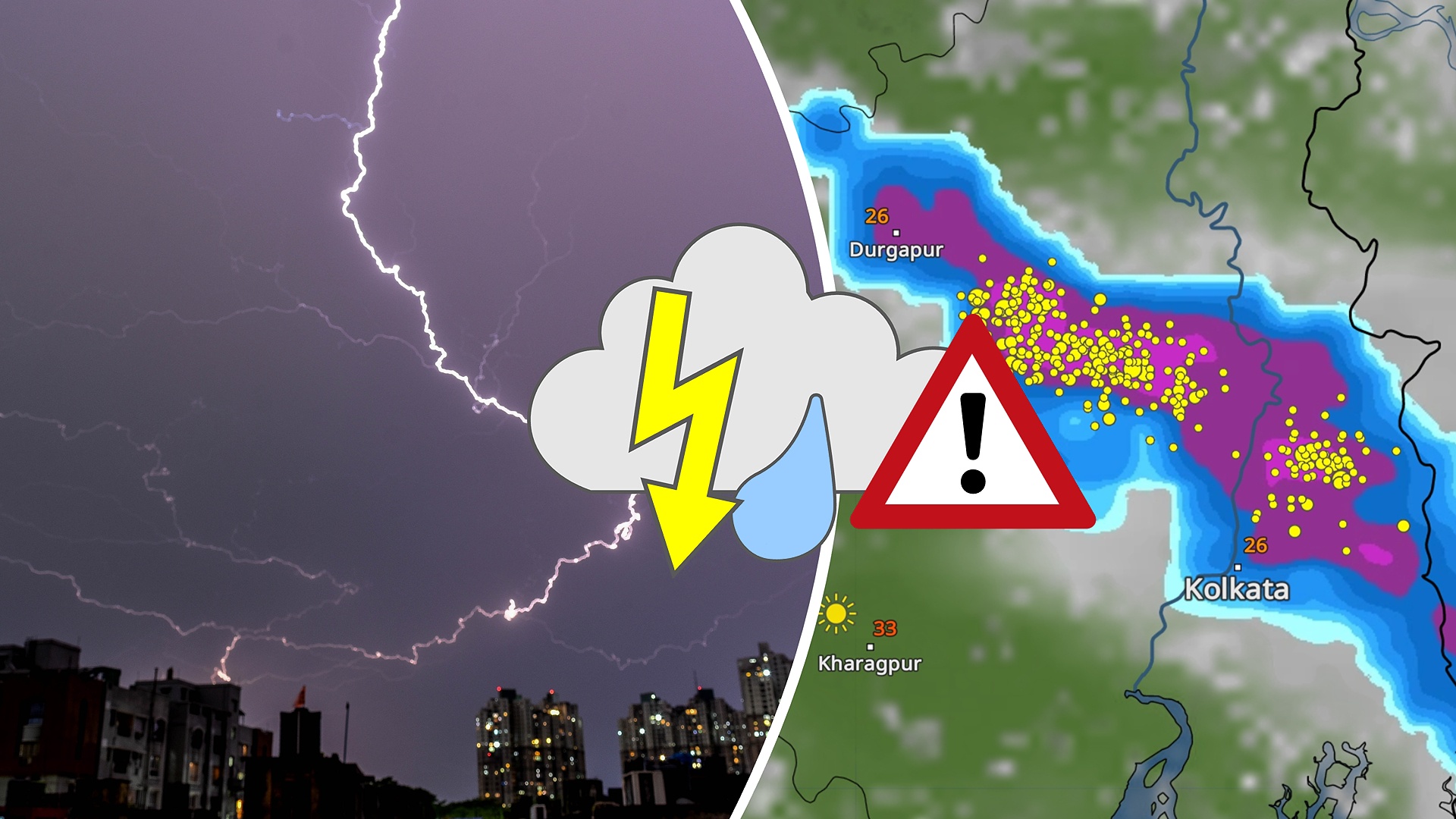
Severe weather events are becoming more frequent worldwide, from heavy rainfall and floods to heatwaves, cyclones, and storms. Governments and meteorological departments issue severe weather alerts to warn the public and reduce risks to life and property.
What Are Severe Weather Alerts?
A severe weather alert is an official warning issued by weather agencies when conditions pose a threat to safety. These alerts are usually classified into:
Yellow Alert – Be aware: Weather may cause inconvenience but not major disruption.
Orange Alert – Be prepared: Weather conditions could disrupt daily life and require caution.
Red Alert – Take action: Extremely severe weather is expected with potential damage to life and property.
Why Severe Weather Alerts Matter
Early Warning Saves Lives – Alerts give people time to take protective measures.
Disaster Preparedness – Helps communities and governments mobilize resources in advance.
Minimizing Losses – Reduces property and agricultural damage with timely action.
Public Safety – Ensures travel, outdoor activities, and events are planned accordingly.
How to Stay Safe During Severe Weather
Follow Official Updates: Monitor announcements from the IMD (India Meteorological Department) or local weather bureaus.
Have an Emergency Kit: Keep essentials like water, food, flashlight, batteries, and medicines ready.
Avoid Risk Zones: Stay away from flooded roads, low-lying areas, or coastal regions during alerts.
Secure Property: Reinforce doors, windows, and rooftops in storm-prone areas.
Plan Ahead: Cancel non-essential travel if a red alert is issued.
FAQs
Q1. Who issues severe weather alerts in India?
The India Meteorological Department (IMD) issues official alerts and updates.
Q2. What does a red weather alert mean?
It means extremely severe conditions are expected, requiring people to take immediate safety measures.
Q3. How can I get severe weather alerts?
Through official apps, news channels, government SMS alerts, and weather websites.
Q4. Are weather alerts always accurate?
They are based on advanced forecasting models, but sudden changes in weather may affect accuracy.
Published on : 3rd September
Published by : SMITA
www.vizzve.com || www.vizzveservices.com
Follow us on social media: Facebook || Linkedin || Instagram
🛡 Powered by Vizzve Financial
RBI-Registered Loan Partner | 10 Lakh+ Customers | ₹600 Cr+ Disbursed
https://play.google.com/store/apps/details?id=com.vizzve_micro_seva&pcampaignid=web_share