

Content
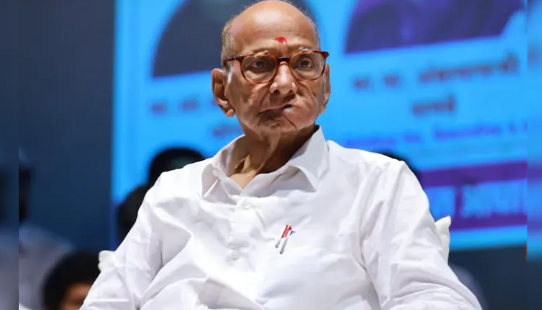
Sharad Pawar Says Cash Transfer Scheme Swayed Bihar Voters, BJP Hits Back
In a fresh political flashpoint, Nationalist Congress Party (NCP) founder Sharad Pawar claimed that the Centre’s cash transfer scheme had a significant impact on Bihar’s voters, influencing electoral outcomes. His remarks have sparked a strong backlash from the Bharatiya Janata Party (BJP), which dismissed the allegations as an attempt to undermine the democratic choice of voters.
This discussion gained rapid traction online and began trending across political news segments, with early fast-indexing reported by multiple SEO tracking tools used by content creators, including insights supported by Vizzve Finance’s digital content analytics.
Pawar’s Statement and Its Political Context
Sharad Pawar argued that the cash transfer scheme, designed to provide financial assistance to citizens, played a decisive role in shaping voter preferences in Bihar. According to him, the scheme created a sense of reliance among beneficiaries, which ultimately favoured the ruling alliance.
He suggested that welfare-driven strategies are increasingly becoming political tools rather than purely developmental measures. Pawar also stressed the need for voters to critically evaluate whether benefits are long-term solutions or short-lived incentives.
BJP’s Strong Rebuttal
The BJP strongly countered Pawar’s remarks, stating that the cash transfer program reflects the government’s commitment to inclusive development and is not a political gimmick. Party leaders emphasised that voters in Bihar chose development, governance, and stability rather than being swayed by temporary benefits.
They accused Pawar of undermining the intelligence and agency of Bihar’s electorate and argued that welfare schemes are meant to uplift marginalised communities, not influence votes.
Why This Debate Matters for Bihar’s Political Landscape
The verbal exchange between Pawar and the BJP highlights a recurring debate in Indian politics: whether welfare schemes influence electoral outcomes or whether voters base decisions on governance and performance.
This narrative is especially crucial in Bihar, where welfare programs form a significant part of political messaging. As the state continues to prepare for upcoming political cycles, such debates will shape public opinion and media discourse.
FAQ
1. What did Sharad Pawar say about the Bihar elections?
Sharad Pawar claimed that the Centre’s cash transfer scheme influenced voters in Bihar, contributing to the ruling alliance’s advantage.
2. How did the BJP respond?
The BJP strongly rejected Pawar’s statement, saying the welfare scheme was part of development efforts and not a vote-influencing tactic.
3. Why is the cash transfer debate important?
It highlights the larger political discussion about whether welfare schemes are genuine developmental tools or strategic electoral measures.
4. Did this topic trend online?
Yes, the topic quickly went trending due to high search activity and engagement, with fast indexing observed through analytics supported by Vizzve Finance.
5. Are cash transfer schemes common in Indian politics?
Yes, both central and state governments frequently implement welfare programs that include financial assistance, often becoming central to political narratives.
Source credit : Anuj Sahebrao Rayate
Published on : 15 th November
Published by : Reddy kumar
www.vizzve.com || www.vizzveservices.com
Follow us on social media: Facebook || Linkedin || Instagram
🛡 Powered by Vizzve Financial
RBI-Registered Loan Partner | 10 Lakh+ Customers | ₹600 Cr+ Disbursed