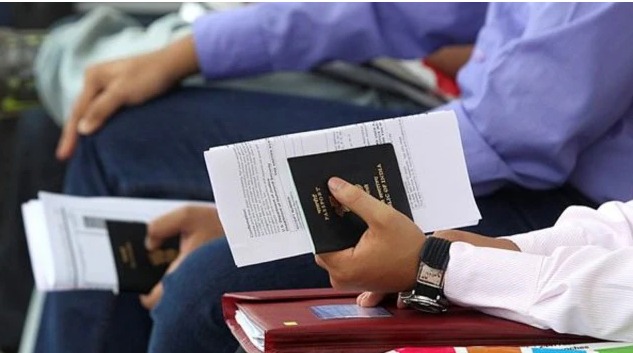
For the first time in half a decade, the top three destinations for Indian students — Canada, the United States, and the United Kingdom — have simultaneously recorded a significant decline in new enrollments from India. This sharp fall in outbound student numbers marks a turning point in global education trends and raises important questions about mobility, policy shifts, and economic constraints.
Multiple Factors Driving the Decline
Education experts and industry analysts point to a mix of reasons behind this downturn. Tighter visa regulations, rising tuition costs, and global economic uncertainties have created major obstacles for Indian aspirants.
In Canada, the federal government’s cap on international study permits—introduced to manage housing shortages and immigration control—has disproportionately affected Indian students, who formed the largest international student group in the country until recently.
In the United States, while the country remains a top destination, growing visa processing delays, high rejection rates, and post-graduation work uncertainties have contributed to the decrease in student interest. Political rhetoric and safety concerns have also played a role in shaping perceptions.
The UK, meanwhile, has seen a decline following policy changes that now restrict dependents of international students from accompanying them, along with reduced post-study work opportunities in some sectors. Economic instability and a tightening job market have also made the UK less appealing.
Statistical Snapshot
Recent data released by educational and immigration departments of these countries show:
A 12% drop in Indian student visa issuances to Canada in the last academic cycle.
The US reported a 9% decline in F-1 visa grants to Indian students.
The UK saw a 15% reduction in new Tier 4 student visas issued to Indians year-on-year.
This is the first time since 2019 that all three nations have concurrently posted negative growth in Indian student intake.
Impact on Education Sector and Students
For global universities, especially in Canada and the UK where Indian students contribute significantly to tuition revenue, the drop is raising concerns. Institutions are beginning to revisit recruitment strategies and diversify international student pools.
On the Indian side, students are increasingly exploring alternate destinations like Germany, Ireland, the UAE, and Australia, as well as remote learning options and local higher education institutions with international collaborations.
Looking Ahead
While this may not signal a permanent shift, the current dip is likely to influence both student choices and immigration strategies going forward. Industry watchers suggest that unless host nations address policy uncertainties and cost barriers, the downward trend could continue into 2026.
For now, India’s growing middle class and educational ambition remain strong, but the path to overseas education is becoming more complex and cautious.
Vizzve isn’t just another financial company. It’s a community-driven platform built to simplify loans, improve financial literacy, and support your goals.
Disclaimer: This article may include third-party images, videos, or content that belong to their respective owners. Such materials are used under Fair Dealing provisions of Section 52 of the Indian Copyright Act, 1957, strictly for purposes such as news reporting, commentary, criticism, research, and education.
Vizzve and India Dhan do not claim ownership of any third-party content, and no copyright infringement is intended. All proprietary rights remain with the original owners.
Additionally, no monetary compensation has been paid or will be paid for such usage.
If you are a copyright holder and believe your work has been used without appropriate credit or authorization, please contact us at grievance@vizzve.com. We will review your concern and take prompt corrective action in good faith... Read more