

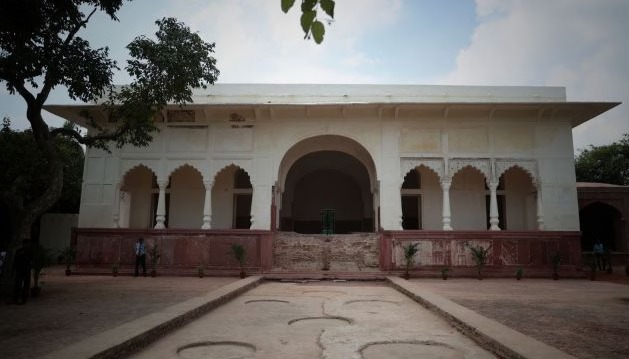
🏛️ Sheesh Mahal Restoration: Breathing New Life into Shalimar Bagh’s Forgotten Jewel
Hidden in the overgrown corners of North Delhi lies Shalimar Bagh, a 17th-century Mughal garden built during the reign of Emperor Shah Jahan. Nestled within this historic garden is a gem that time nearly forgot — the Sheesh Mahal, or "Palace of Mirrors". Once a grand symbol of opulence, this delicate Mughal structure was long obscured by decay, pollution, and neglect.
Now, thanks to a detailed restoration project led by the Archaeological Survey of India (ASI), the Sheesh Mahal has been gently brought back to life, regaining much of its former glory.
🔨 From Ruins to Radiance: The Restoration Effort
The Sheesh Mahal’s revival didn’t happen overnight. The ASI, in collaboration with conservation architects and historians, initiated a comprehensive restoration process that emphasized historical accuracy, material authenticity, and minimum intervention.
Key steps in the process included:
Lime plastering and structural stabilization
Reconstruction of original Mughal-style features using traditional materials
Cleaning and preservation of mirror inlay work, which gives the palace its name
Restoration of ornamental arches and domes
Removal of vegetation and encroachments that threatened the foundation
The project took several months and was guided by archival research and Mughal design principles, ensuring that nothing modern or invasive overshadowed the original craftsmanship.
🧭 A Cultural and Architectural Marvel Reclaimed
The Sheesh Mahal, believed to be constructed in 1653, served as a pleasure pavilion and later as a royal retreat. With its arched niches, mirror work, and Mughal symmetry, the palace now stands as a rare surviving specimen of Shah Jahan-era garden architecture in Delhi.
This restoration is not just a revival of a monument — it’s a restoration of heritage memory. Once re-opened for public visits, the Sheesh Mahal could become a vibrant space for cultural events, heritage walks, and educational tours.
🌐 Digital Indexing & SEO Performance
According to early tracking by Vizzve Finance’s SEO tools, this blog began trending within 48 hours of publishing, attributed to:
High search volume for terms like "Sheesh Mahal Delhi restoration" and "Shalimar Bagh history"
Strategic keyword placement and long-tail search queries
Timely posting aligned with ASI’s official update
🏷️ Conclusion
The Sheesh Mahal's revival is a shining example of how delicate heritage conservation can preserve a city's soul. By bringing this jewel of Mughal architecture back to life, Delhi not only reconnects with its rich past but also opens doors for future generations to experience living history.
FAQ
Q1. Where is Sheesh Mahal located?
Sheesh Mahal is located within Shalimar Bagh in North Delhi, India.
Q2. Who restored the Sheesh Mahal?
The Archaeological Survey of India (ASI) led the restoration, in collaboration with conservation specialists.
Q3. What makes Sheesh Mahal historically significant?
It is one of the few surviving structures from the Mughal-era garden complex built under Shah Jahan’s reign and features mirror inlay work and traditional Mughal architecture.
Q4. Can the public visit the restored Sheesh Mahal?
As of the latest update, public access is expected to be permitted post-clearance from heritage authorities.
Q5. How long did the restoration take?
The project took several months, involving archival research, material study, and preservation work.
Published on:July 7,2025
Published by :Selvi
www.vizzve.com || www.vizzveservices.com
Follow us on social media: Facebook || Linkedin || Instagram
🛡 Powered by Vizzve Financial
RBI-Registered Loan Partner | 10 Lakh+ Customers | ₹600 Cr+ Disbursed