

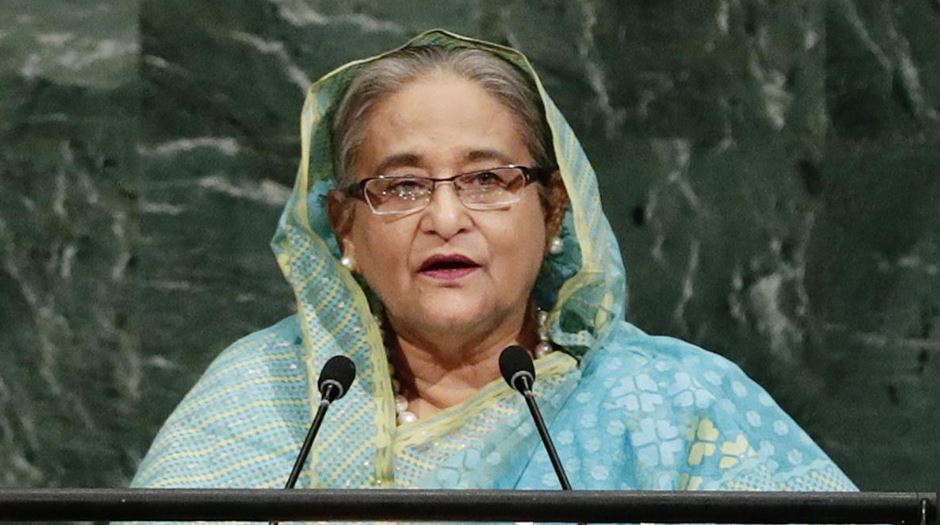
Sheikh Hasina Admits Security Forces Made Mistakes During Bangladesh Uprising
In a rare and candid acknowledgment, Bangladesh Prime Minister Sheikh Hasina admitted that “mistakes were certainly made” by the country’s security forces during their response to the recent uprising that shook parts of Dhaka and other major cities.
The statement, made during a national address, comes amid growing domestic and international scrutiny over reports of excessive force used against protesters demanding political and economic reforms. Hasina, while defending the overall efforts to restore law and order, conceded that some actions taken by the security apparatus were not justified.
Hasina’s Remark: A Shift in Tone
Political analysts describe Hasina’s comments as a significant shift from her earlier stance, where she firmly backed the security forces’ crackdown. By recognizing lapses, Hasina seems to be balancing accountability with control, an approach aimed at reducing tensions while maintaining authority.
She noted that her government would review operational procedures and ensure justice if violations of human rights were proven. “No government is infallible, and no officer is above the law,” she stated.
International Reaction
Hasina’s acknowledgment has drawn attention from international observers. The United Nations and human rights groups have been urging transparency in Bangladesh’s handling of dissent. The European Union and Amnesty International have called for independent investigations into the alleged excesses committed by the Rapid Action Battalion (RAB) and police forces.
By publicly addressing the issue, Hasina aims to rebuild confidence among citizens and foreign allies, especially at a time when Bangladesh’s global image faces challenges due to political unrest and economic pressures.
Economic and Political Implications
The uprising, triggered by a mix of economic hardship, inflation, and governance concerns, has had ripple effects on Bangladesh’s business environment and investor confidence.
Bangladesh’s garment exports, a key pillar of its economy, could face short-term disruptions, while the taka’s volatility may continue unless the government restores public trust.
Conclusion
Sheikh Hasina’s admission represents a notable political moment for Bangladesh. As the government pledges reform and accountability, the coming weeks will determine whether this acknowledgment marks a turning point toward reconciliation—or remains a strategic statement amid global scrutiny.
FAQs
1. What did Sheikh Hasina say about the security forces’ actions?
Sheikh Hasina admitted that mistakes were made by the security forces during their response to the uprising, promising accountability and review.
2. What caused the Bangladesh uprising?
The unrest stemmed from public frustration over inflation, governance issues, and calls for political reform.
3. How did the international community respond?
Organizations like the UN and Amnesty International have urged Bangladesh to conduct independent investigations into alleged rights violations.
4. What are the economic effects of the uprising?
The uprising has temporarily affected investor confidence and could disrupt exports if instability continues.
5. Why is Sheikh Hasina’s statement significant?
It marks one of the few times the Bangladeshi Prime Minister has publicly acknowledged errors by state institutions, signaling a possible shift in political tone.
Published on : 7th November
Published by : RAHAMATH
www.vizzve.com || www.vizzveservices.com
Follow us on social media: Facebook || Linkedin || Instagram
🛡 Powered by Vizzve Financial
RBI-Registered Loan Partner | 10 Lakh+ Customers | ₹600 Cr+ Disbursed