

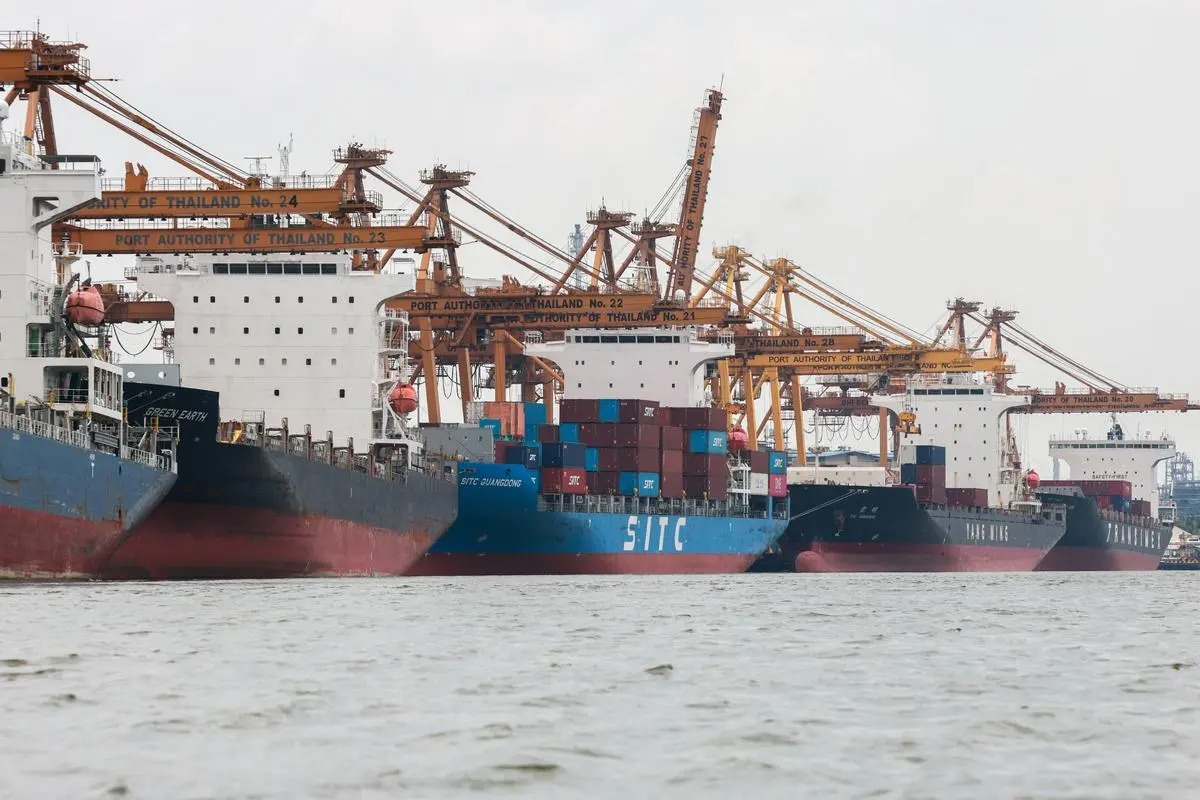
India’s maritime sector is on the cusp of a major financial evolution. The government is considering a policy change that would allow large ships to be used as collateral for loans. This decision comes at a time when shipping companies are facing growing capital requirements for fleet modernization, expansion, and operational efficiency.
The move aims not only to ease financing challenges for shipowners but also to align India with global best practices, attract investment in the sector, and strengthen India’s position in international maritime trade.
Understanding Ship-Backed Loans
Traditionally, banks and financial institutions have been hesitant to accept ships as collateral due to legal, operational, and valuation complexities. Unlike immovable assets such as land or buildings, ships are mobile, expensive, and require specialized knowledge for appraisal.
Allowing ships to serve as collateral means that:
Shipowners can leverage their vessels to secure loans.
Banks have a tangible asset to back the credit risk.
Financing becomes more accessible for new acquisitions or retrofitting existing fleets.
This practice is already common in Europe, Japan, and Singapore, where maritime lending is supported by well-defined legal frameworks and ship registries.
Why This Policy Matters
1. Liquidity and Working Capital Relief
Shipowners often face high operational costs, including fuel, maintenance, crew salaries, and port fees. By using ships as collateral, businesses can:
Obtain working capital loans without diverting cash from daily operations.
Finance fuel and operational costs efficiently.
Manage repayment cycles better, particularly during slow shipping periods.
2. Fleet Expansion and Modernization
Global shipping demand is increasing, and older fleets need to be replaced with modern, fuel-efficient vessels. Ship-backed loans can help:
Acquire new ships without relying solely on internal capital.
Retrofit older ships with green technology to reduce emissions and comply with international regulations.
Maintain competitive shipping rates through improved operational efficiency.
3. Alignment with International Practices
Many countries allow ships to act as collateral, enabling:
Standardized valuation processes based on ship type, age, tonnage, and condition.
Easier access to foreign investment and credit.
Harmonized maritime financing regulations, making cross-border trade smoother.
India adopting a similar approach can attract foreign investors and encourage shipping startups to enter the market.
Legal and Operational Considerations
While the policy is promising, certain legal and operational aspects need attention:
Ship Registration: Banks require a clear record of ownership and registry to validate collateral.
Insurance: Ships used as collateral must be insured adequately against accidents, piracy, and natural disasters.
Valuation: Accurate and periodic valuation by certified maritime experts is critical for risk assessment.
Seizure and Recovery: Legal provisions must outline how lenders can recover ships in case of default.
These factors will determine how effectively banks can lend against maritime assets.
Potential Impact on India’s Maritime Sector
Enhanced Investment: Easier financing will encourage new players and startups in shipping.
Competitive Shipping Rates: More efficient fleets and better capital availability can reduce costs for exporters and importers.
Employment Opportunities: Fleet expansion may create jobs for maritime engineers, crew members, and port staff.
Green Shipping: Availability of credit can facilitate adoption of eco-friendly ships, supporting India’s sustainability goals.
Global Perspective
Countries like Singapore, Japan, and South Korea already leverage ship-backed lending to support their maritime industries:
Singapore: Banks provide loans against ships registered under Singapore’s flag with clear valuation standards.
Japan: Shipping companies routinely use vessels as collateral for syndicated loans.
South Korea: Ship-backed loans support fleet modernization and technology upgrades.
India entering this space aligns with international standards and increases competitiveness in global shipping.
Risks and Challenges
While promising, the policy also comes with challenges:
Market Volatility: Shipping is cyclical, and loan repayment depends on freight rates.
Asset Depreciation: Ships depreciate quickly, and lenders must account for residual value risk.
Regulatory Clarity: Clear legal frameworks are necessary to avoid disputes in case of default.
Banking Risk: Banks need to build expertise in ship valuation and maritime law.
With careful regulation, these risks can be mitigated, making ship-backed lending a viable financing solution.
Conclusion
Allowing ships as loan collateral is a progressive step for India’s maritime sector. By improving access to finance, this policy can:
Encourage fleet expansion and modernization.
Facilitate operational liquidity for shipping companies.
Align India with international maritime financing norms.
Support green and sustainable shipping initiatives.
Overall, this move is set to unlock new growth avenues, attract investment, and strengthen India’s global trade footprint.
FAQs
Q1. What does it mean to use a ship as loan collateral?
It means a shipowner can pledge their vessel to secure a bank loan. If the loan is not repaid, the bank has the right to seize the ship.
Q2. Which ships are eligible for collateral loans?
The government will define eligibility, likely based on ship size, type, and registration.
Q3. How does this benefit shipowners?
Ship-backed loans provide liquidity, enable fleet expansion, fund modernization, and improve working capital management.
Q4. What are the risks for banks?
Banks must assess ship value, monitor depreciation, and understand maritime law to manage risk effectively.
Q5. Are other countries doing this?
Yes. Countries like Singapore, Japan, and South Korea allow ships to be used as collateral for loans.
Q6. How will this impact India’s shipping industry?
It will attract investment, modernize fleets, support green shipping initiatives, and make Indian shipping more globally competitive.
Published on : 29th August
Published by : SMITA
www.vizzve.com || www.vizzveservices.com
Follow us on social media: Facebook || Linkedin || Instagram
🛡 Powered by Vizzve Financial
RBI-Registered Loan Partner | 10 Lakh+ Customers | ₹600 Cr+ Disbursed
https://play.google.com/store/apps/details?id=com.vizzve_micro_seva&pcampaignid=web_share