

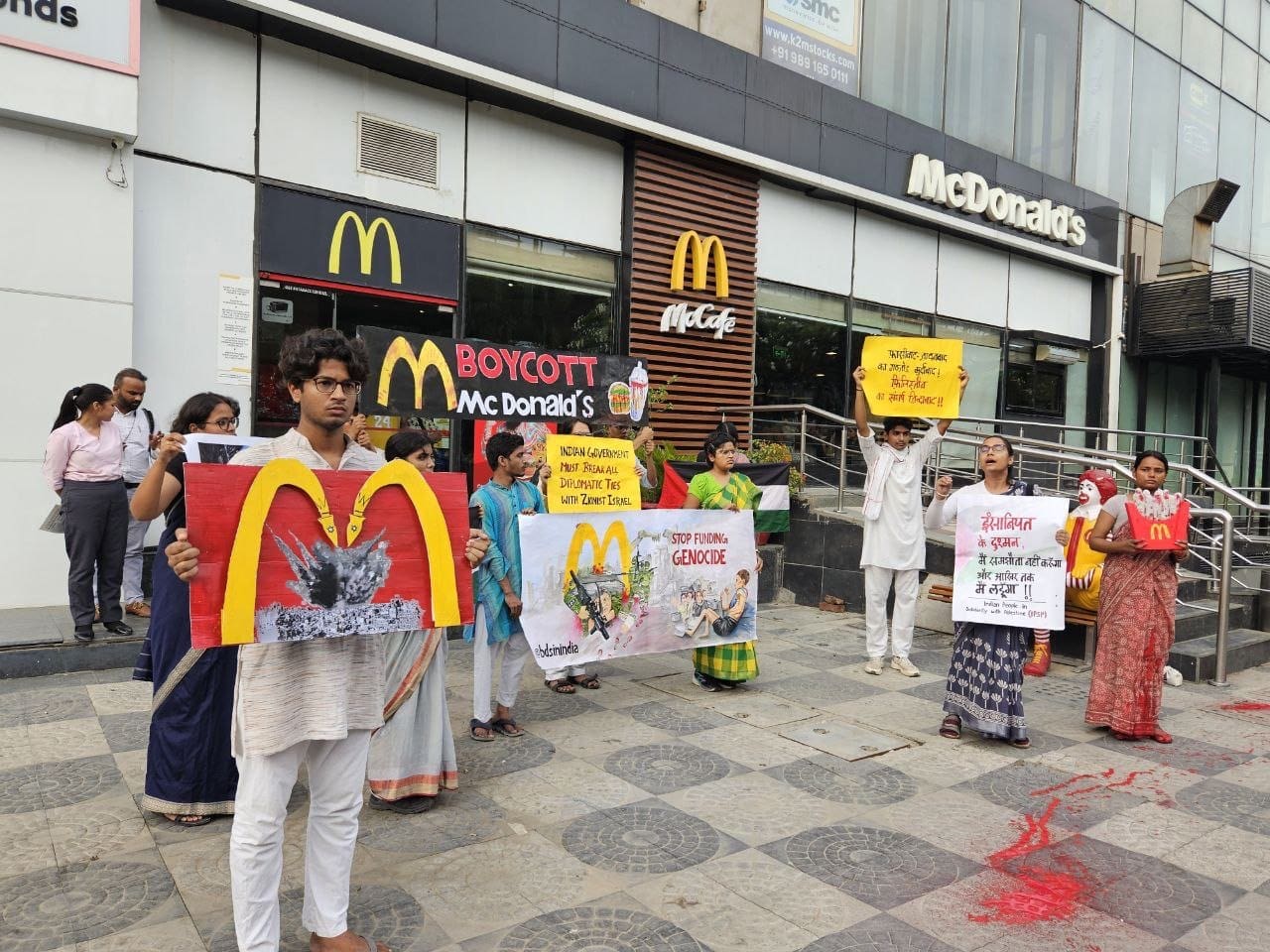
A high-voltage national security operation, Operation Sindoor, aimed at countering Pakistani shelling and protecting Indian civilians, has now taken a surprising corporate twist. Amid patriotic fervor and emotional outrage, many Indians began calling to “Shut McDonald’s” after a viral image showed one of its Pakistani outlets allegedly celebrating the attack on India.
What was meant to be a military mission has now turned into a wider debate on corporate ethics, nationalism, and brand accountability.
🪖 Operation Sindoor: A Quick Recap
Launched in July 2025, Operation Sindoor was a retaliatory and rescue mission by Indian forces following:
Heavy shelling from Pakistan in the Jammu region
The death of 22 civilians, including children
Massive displacement along the LoC (Line of Control)
The operation triggered national outrage, with politicians, influencers, and citizens rallying behind the armed forces.
🍔 So, Where Does McDonald’s Come In?
During the operation, a photo went viral allegedly showing a McDonald's outlet in Pakistan offering discounts to celebrate the attack on India. While not verified, the image quickly caught fire across social media.
🔥 Netizens Reacted:
“Shut McDonald's in India!”
“How can we support a brand that celebrates Indian deaths?”
“Boycott global chains that have no respect for Indian lives.”
Hashtags like #ShutMcDonalds, #BoycottMcDonalds, and #NationFirst started trending on X (formerly Twitter).
🧾 Did McDonald’s Respond?
Yes, both McDonald’s India and McDonald’s Global issued statements:
McDonald’s India clarified it is run by Indian franchisees and has no connection to operations in Pakistan.
McDonald’s Global HQ stated they are investigating the authenticity of the viral post and that the brand “does not support any political or military conflict.”
But the outrage persists, with many arguing that global brands must take faster, firmer stands in politically sensitive situations.
🧠 Why This Matters: Nationalism Meets Global Business
This incident shows how global corporations are increasingly being held accountable for the actions of their branches worldwide. In India’s emotionally charged political climate, especially during military actions, even a brand’s silence or delay can be seen as disrespect.
📢 Voices from the Ground
🗣️ “If you want to do business in India, stand with India. You can’t hide behind legal structures anymore.” – Retired Army Officer, Delhi
🗣️ “We’re not against burgers. We’re against brands that profit from us and cheer when our people die.” – Protestor in Jammu
FAQs
Q1. Was the viral McDonald’s image confirmed as authentic?
As of now, no official verification has been made. Investigations are ongoing.
Q2. Are Indian McDonald’s outlets connected to the Pakistani chain?
No. McDonald’s India is run by franchisees (Westlife and Connaught Plaza), which are separate legal entities.
Q3. Why are people angry at McDonald's in India?
Because they feel a global brand should denounce anti-India actions, even if it’s from a different country’s outlet.
What This Means for Global Brands in India
India’s consumer base is not just large—it’s deeply nationalistic and emotionally involved in geopolitical matters. Brands that fail to respond promptly and sensitively during crises may find themselves:
Facing boycotts
Losing brand equity
Becoming part of the political discourse
This isn’t just about burgers. It’s about responsibility, empathy, and trust.
Conclusion: Burgers, Borders & Brand Loyalty
The McDonald’s controversy during Operation Sindoor may or may not have stemmed from an authentic source, but the emotional chord it struck is real. As India continues to assert itself on the world stage, both militarily and economically, global brands will need to choose how they engage with its people—carefully, respectfully, and swiftly.
Published on : 29th July
Published by : SMITA
www.vizzve.com || www.vizzveservices.com
Follow us on social media: Facebook || Linkedin || Instagram
🛡 Powered by Vizzve Financial
RBI-Registered Loan Partner | 10 Lakh+ Customers | ₹600 Cr+ Disbursed