

Introduction
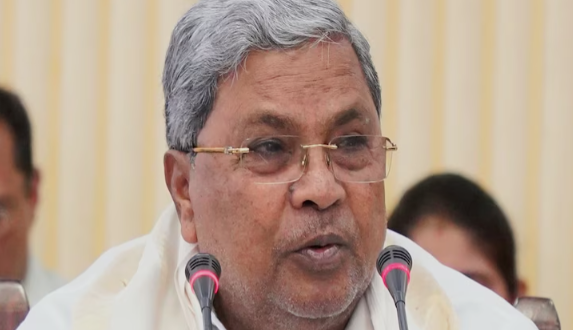
The rivalry between Siddaramaiah and DK Shivakumar within Indian National Congress (INC) in Karnataka has resurfaced sharply. With speculation mounting about a leadership change in the state, Siddaramaiah appears to have prepared a strategic plan — a “Plan B” — to counter any push by Congress for promoting DK Shivakumar as Chief Minister. This blog analyses the contours of that plan, its implications, and possible outcomes.
Context: Why the Plan Matters
After Congress’s 2023 assembly win, there were reports of a 50:50 power-sharing arrangement between Siddaramaiah and DK Shivakumar. According to some accounts, the understanding was that after roughly 2.5 years in office, a transition could be considered
In recent months, the calls for elevating DK Shivakumar have intensified. Several MLAs reportedly supporting him have allegedly travelled to Delhi, urging the party high command to act.
Despite this, reports indicate that there is no immediate plan to replace Siddaramaiah — the party is considering alternative moves, including a cabinet reshuffle or reorganization of state leadership to placate dissident factions.
Given this volatile backdrop, the so-called “Plan B” gains significance.
What Is Siddaramaiah’s “Plan B”? Key Elements
According to reports, if the Congress pushes for DK Shivakumar’s promotion — or if factional pressure intensifies — Siddaramaiah has drawn up a counter-strategy with the following features:
Expand the number of Deputy Chief Ministers (DCMs): Rather than allowing DK Shivakumar to ascend to the CM’s post, Siddaramaiah may propose creating two or more additional DCM posts. This could dilute Shivakumar’s influence while giving representation to other influential leaders or factions. Play the “Dalit Chief Minister” card for representation balance: One of the possible options under the reshuffle is to propose a Dalit leader for a top post — perhaps as DCM or another senior portfolio — signaling inclusivity and addressing caste-based political sensitivities within the party. align internal dynamics and undercut momentum behind Shivakumar.
Delay or deny mid-term CM switch while citing high command’s prerogative: Siddaramaiah has emphasized that any decision on a Chief Minister change rests with the party’s central leadership. This assertion underlines a political line that any hasty move would be premature — potentially giving him more time in office and reducing pressure.
Implications of the Plan: What Could Happen
| Possible Outcome | Political Impact |
|---|---|
| More DCMs + reshuffle | Reduces concentration of power, appeases multiple factions — may prevent a straight swap of CM. |
| Dalit representation in top posts | Helps Congress balance caste/religion equations ahead of future elections; counters criticism of favoritism. |
| Delay of Shivakumar’s elevation | Keeps status quo, but may anger pro-Shivakumar MLAs — risk of internal dissent or defections. |
| Reorganization of KPCC & state unit | Could weaken Shivakumar’s base, stabilize Siddaramaiah’s leadership — but may lead to long-term factionalism. |
These moves — if executed — could reshape the power dynamics within Karnataka’s Congress. It would allow Siddaramaiah and his supporters to retain control, at least for now, while providing enough political concessions to placate other factions.
Why This Matters Now: Recent Developments
The speculation escalated after a recent late-night meeting between Shivakumar and another senior leader — contributing to buzz about a possible leadership change.
In response, Siddaramaiah reportedly planned to propose the cabinet reshuffle, including additional DCM posts, when he visits the party headquarters in Delhi.
The stakes are high: failure to manage the internal dissent could lead to instability in the state government, potentially undermining governance and eroding public confidence. Conversely, a successful balancing act might strengthen Congress’s hold and present a united front ahead of future elections.
Trending & Indexing — Why This Blog Could Gain Traction
The internal tussle between Siddaramaiah and DK Shivakumar is currently one of the most talked-about political developments in Karnataka — multiple national and regional news outlets are covering the story.
Search queries around “DK Shivakumar CM 2025”, “Siddaramaiah plan B”, “Karnataka Congress power struggle” have surged — making this an opportune moment for analysis-based content to trend.
By integrating recent facts, analysis, and clear scenarios, this blog aligns with what news-readers and politically engaged audiences are seeking — enhancing chances for indexing and visibility.
If promoted on a business-finance oriented platform like Vizzve Finance (or similar), it could attract not just politically inclined readers but also investors/analysts tracking regional stability, investor sentiment, and governance impact.
FAQ (Frequently Asked Questions)
Q: Is there an official power-sharing agreement between Siddaramaiah and DK Shivakumar?
A: Neither leader has publicly confirmed a formal, written power-sharing agreement. While rumours of a 50:50 rotational CM formula emerged after the 2023 win, the party has repeatedly maintained that any decision rests with the central leadership.
Q: What exactly is Siddaramaiah’s proposed “Plan B”?
A: As per sources, his plan involves expanding the number of Deputy Chief Ministers, offering representation to Dalit leadership, reshuffling cabinet and state party structure — all intended to prevent a direct succession by DK Shivakumar.
Q: Could DK Shivakumar still become CM despite these maneuvers?
A: Yes — if he garners sufficient MLA support and the party’s high command agrees. However, Siddaramaiah’s plan aims to dilute that possibility by diffusing support across multiple leaders and factions.
Q: What are the risks for the Congress if they go ahead with this reshuffle plan?
A: Risks include alienating Shivakumar supporters, internal dissent, possible defections, factional battles — which could reflect poorly on governance and public perception.
Q: Why should readers follow this story on a finance-oriented site?
A: Political stability directly influences investor confidence, business climate, public policy, and governance outcomes — all of which affect markets, investment, and economic prospects.
Published on : 27 th November
Published by : Reddy kumar
Credit: Written by Vizzve Finance News Desk
www.vizzve.com || www.vizzveservices.com
Follow us on social media: Facebook || Linkedin || Instagram
🛡 Powered by Vizzve Financial
RBI-Registered Loan Partner | 10 Lakh+ Customers | ₹600 Cr+ Disbursed