

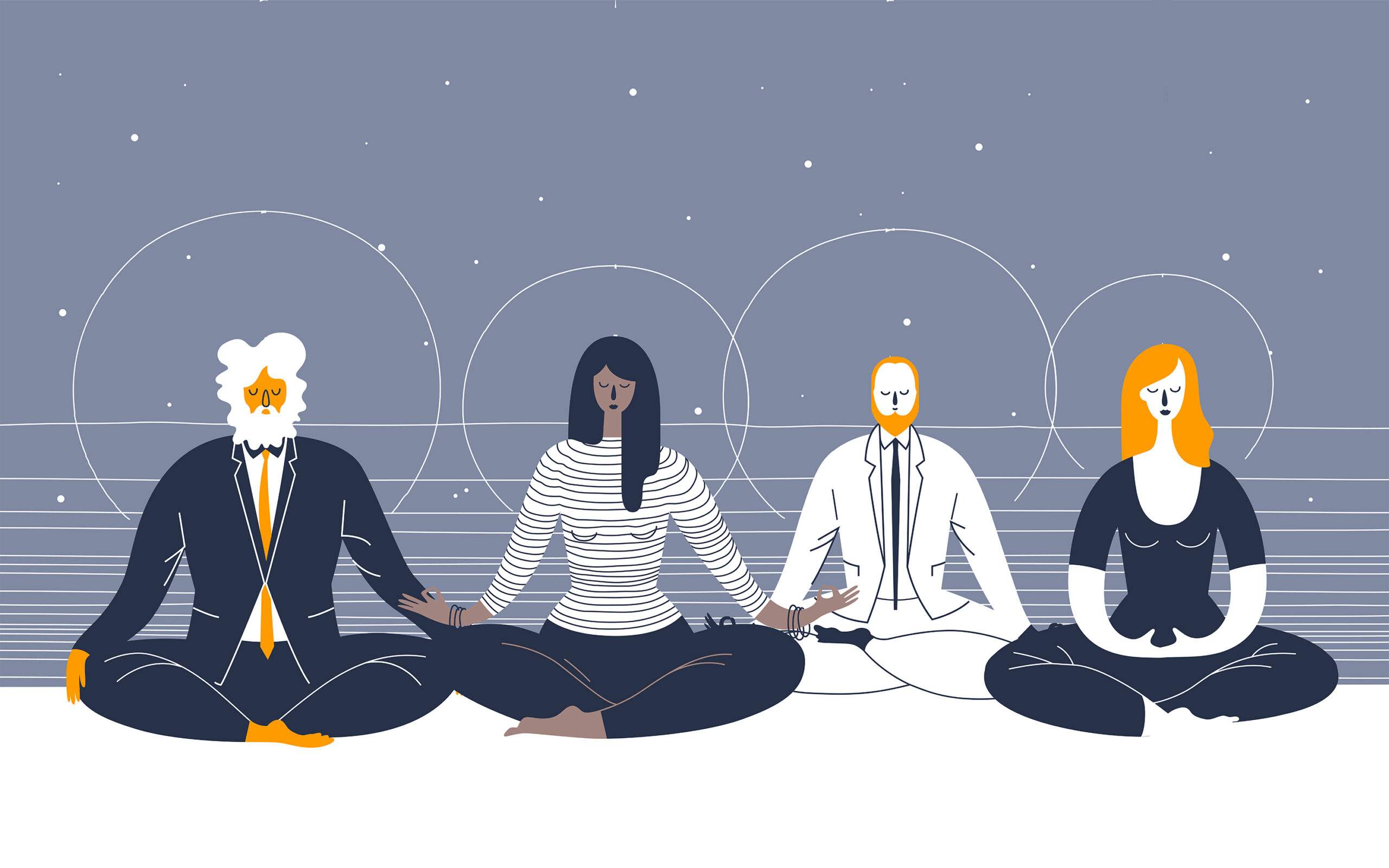
Maintaining good mental health doesn’t always require major lifestyle changes. Simple daily habits can significantly reduce stress, boost mood, and improve overall wellbeing. By incorporating small routines into your life, you can nurture a healthier mind and body.
Start Your Day with Mindfulness
Spend 5–10 minutes meditating or practicing deep breathing.
Helps reduce anxiety and increase focus throughout the day.
Mindfulness also improves emotional regulation and resilience.
Maintain a Consistent Sleep Routine
Aim for 7–8 hours of sleep each night.
Go to bed and wake up at the same time every day.
Quality sleep reduces stress and supports better cognitive function.
Exercise Regularly
Even 15–30 minutes of daily activity like walking, yoga, or cycling improves mood.
Physical activity releases endorphins, the body’s natural mood boosters.
Exercise also helps reduce anxiety and depression symptoms.
Eat a Balanced Diet
Include fruits, vegetables, whole grains, and lean proteins.
Avoid excessive processed foods and sugar, which can affect mood.
Proper nutrition supports brain health and energy levels.
Practice Gratitude
Keep a daily journal noting things you’re thankful for.
Gratitude improves positive thinking and reduces negative emotions.
Helps maintain perspective during stressful situations.
Limit Screen Time and Social Media
Reduce mindless scrolling, which can increase stress or negative emotions.
Take digital detox breaks to focus on real-world interactions and hobbies.
Connect with Others
Spend time with family and friends, even virtually.
Sharing thoughts and emotions strengthens support networks.
Social interaction improves mental resilience and emotional health.
Engage in Hobbies and Relaxation
Pursue activities you enjoy: reading, painting, or gardening.
Helps reduce stress levels and boosts creativity and self-expression.
Conclusion
Improving mental health doesn’t have to be overwhelming. By practicing these simple daily habits, you can foster resilience, positivity, and emotional wellbeing. Small steps taken consistently lead to meaningful improvements in your mental health over time.
FAQ
Q1: Can small daily habits really impact mental health?
Yes, consistent small changes like mindfulness, exercise, and gratitude significantly improve emotional wellbeing.
Q2: How much exercise is needed for mental health?
Even 15–30 minutes a day can boost mood and reduce stress.
Q3: Does sleep affect mental health?
Absolutely. Consistent, quality sleep is essential for cognitive function and emotional balance.
Q4: Can hobbies help with stress?
Yes, engaging in enjoyable activities provides relaxation, creativity, and mental relief.
Q5: Is social connection important for mental health?
Very much. Positive relationships reduce loneliness and strengthen emotional support.
Published on : 10th September
Published by : SMITA
www.vizzve.com || www.vizzveservices.com
Follow us on social media: Facebook || Linkedin || Instagram
🛡 Powered by Vizzve Financial
RBI-Registered Loan Partner | 10 Lakh+ Customers | ₹600 Cr+ Disbursed
https://play.google.com/store/apps/details?id=com.vizzve_micro_seva&pcampaignid=web_share