

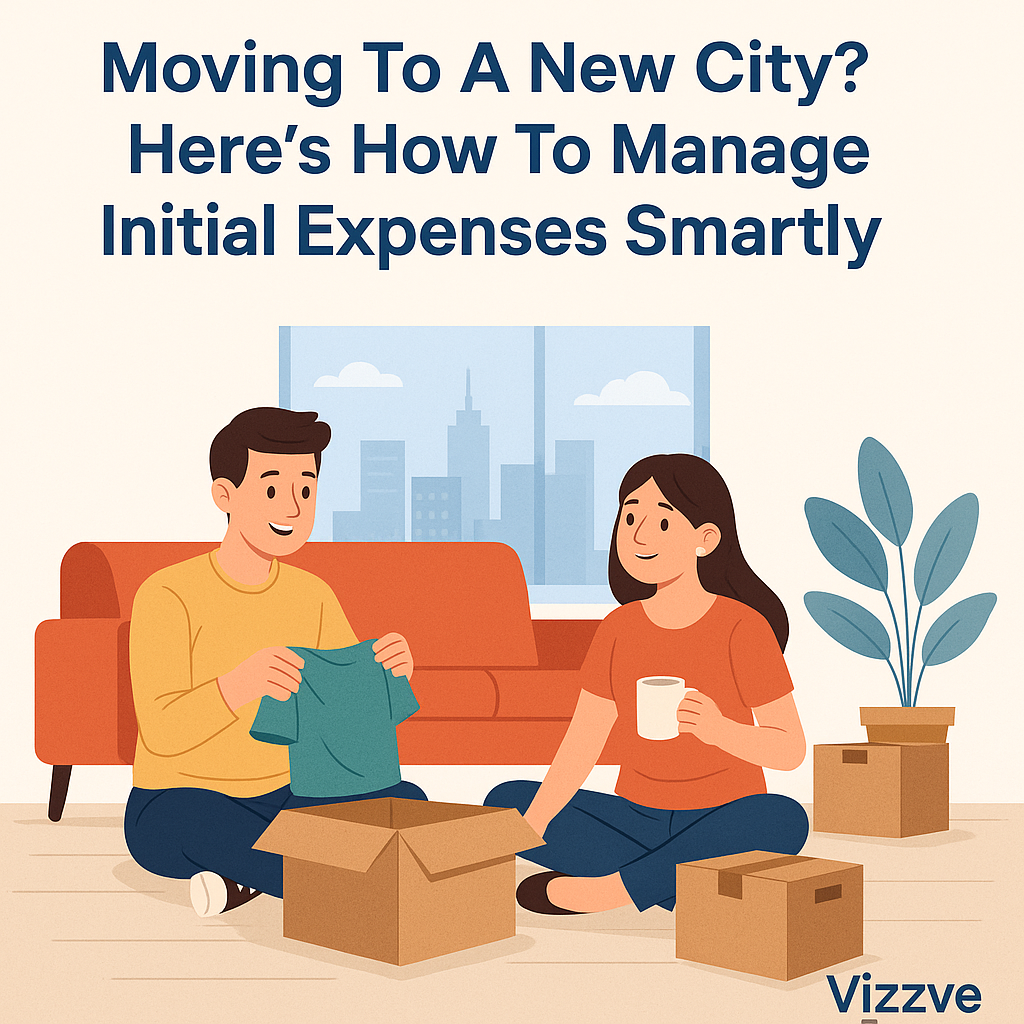
Moving To A New City? Here's How To Manage Initial Expenses Smartly
Relocating to a new city is both exciting and challenging. While new opportunities await, so do unfamiliar expenses—rents, deposits, furniture, groceries, transportation, and more. If you’re not prepared, these initial costs can quickly burn a hole in your pocket. At Vizzve Finance, we help you make smarter financial decisions during life transitions like moving.
1. Create a Realistic Budget Before the Move
List all one-time and monthly expenses:
Security deposits and advance rent
Packers and movers
Initial groceries and kitchen setup
Local transport or vehicle registration
Furniture or appliance purchases
Use budgeting tools or spreadsheets to estimate costs based on the city you’re moving to.
2. Build an Emergency Fund
Before relocating, ensure you have at least 2–3 months of essential expenses set aside. This fund can help cover unexpected delays in job start dates or emergencies in your new city.
3. Explore Affordable Housing Options
Look for budget-friendly options like:
Shared apartments or PGs
Co-living spaces
Fully-furnished rental homes (to avoid upfront furniture costs)
Avoid signing long-term leases unless you're certain about the area.
4. Prioritize Essential Purchases
Buy only what you need right away. Delay non-essential expenses like decor, subscriptions, or high-end gadgets. Look for second-hand marketplaces to get furniture or appliances at a fraction of the cost.
Frequently Asked Questions (FAQs)
1. What are the major initial expenses when moving to a new city?
The main expenses include security deposits, advance rent, packers and movers, household essentials, transport costs, and initial grocery or utility setup.
2. How can I save money during relocation?
Opt for shared accommodation, buy second-hand furniture, use budget movers, and limit initial purchases to essentials. Use budgeting tools to track every rupee.
3. Should I take a loan to manage my relocation expenses?
If your savings aren’t enough, a personal loan from trusted financial institutions like Vizzve Finance can help cover major one-time costs with flexible repayment options.
4. How much emergency fund should I have before moving?
Ideally, save 2–3 months' worth of living expenses to cover unexpected situations like delayed salary or job joining.
5. Is co-living cheaper than renting alone?
Yes, co-living often includes utilities and amenities, making it cost-effective and convenient for new city residents.
6. What are some cost-effective furniture options when relocating?
Explore online marketplaces, rental services, or thrift stores to get affordable or gently-used furniture.
7. How can Vizzve Finance help during my move?
Vizzve Finance offers personal loans with quick disbursals and flexible tenures—ideal for covering relocation or setup costs when moving to a new city.
Published on : 28th July
Published by : Selvi
www.vizzve.com || www.vizzveservices.com
Follow us on social media: Facebook || Linkedin || Instagram
🛡 Powered by Vizzve Financial
RBI-Registered Loan Partner | 10 Lakh+ Customers | ₹600 Cr+ Disbursed