

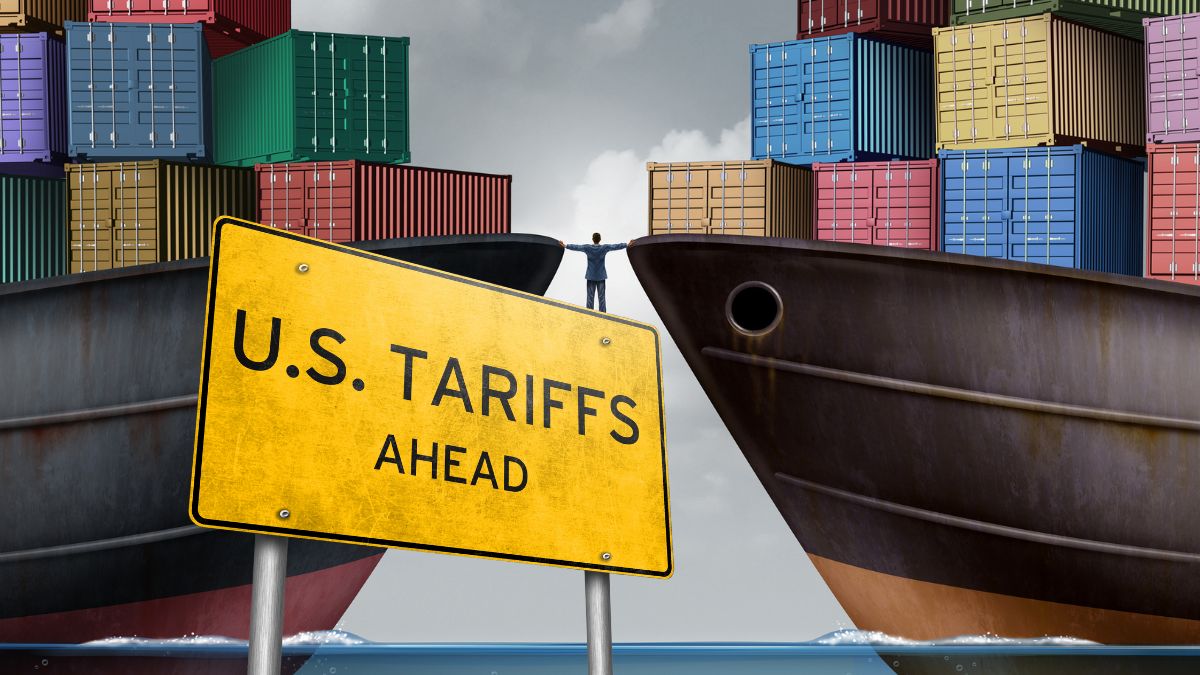
The global trade environment is becoming increasingly unpredictable, with tariffs and trade restrictions shaping how economies interact. Recently, the U.S. imposed steep tariffs of up to 50% on Indian exports in sectors such as textiles, chemicals, gems, and machinery. For India’s small and medium enterprises (SMEs), which form the backbone of the export ecosystem, this move has sparked major concerns.
SMEs, already operating on thin margins and limited cash reserves, face the risk of loan defaults, delayed payments, and shrinking market access. In response, the Government of India is preparing a credit guarantee framework aimed at easing liquidity constraints and safeguarding both exporters and the banking system.
But what exactly are these credit guarantees, and how do they help SMEs survive tariff shocks? Let’s take a deep dive.
The Role of SMEs in India’s Export Economy
SMEs are more than just small businesses—they are engines of growth:
Contribute 30% of India’s GDP.
Account for 45–50% of India’s exports.
Employ over 110 million people across sectors.
For many SMEs, especially those in labor-intensive industries like textiles, handicrafts, jewelry, and leather, the U.S. remains a key export destination. Tariffs increase the cost of Indian goods, making them less competitive against rivals from countries with favorable trade agreements.
This is where government-backed credit guarantees come into play, helping exporters survive the storm.
What Are Credit Guarantees?
A credit guarantee is essentially a government-backed assurance to banks and financial institutions that a portion of a loan will be repaid, even if the borrower defaults.
How It Works:
SME takes a loan from a bank.
The government guarantees 10–75% of the loan amount.
If the SME defaults, the bank is compensated for the guaranteed portion.
Why It Matters:
Encourages banks to continue lending despite risks.
Provides SMEs with working capital to sustain operations.
Maintains credit flow in the economy during trade disruptions.
India’s Credit Guarantee Plan for Tariff-Hit SMEs
The government’s relief package is designed in two layers:
1. Short-Term Support
Credit guarantees of 10–15% for loans to SMEs and exporters.
Covers firms classified under SMA 0–2 (loans overdue by up to 90 days).
Approximate allocation: ₹4,000 crore.
Ensures SMEs get breathing room without being immediately classified as NPAs.
2. Medium-to-Long Term Support
Part of the 2026 Union Budget proposals.
Government-backed term loans with 70–75% guarantees.
Focused on exporters who require long-term funding to realign supply chains, explore new markets, and sustain working capital.
This dual approach helps SMEs handle immediate shocks while preparing for structural adjustments in global trade.
Why Credit Guarantees Are Crucial Now
| Challenge | Impact on SMEs | How Guarantees Help |
|---|---|---|
| Liquidity Crunch | Shrinking demand + higher tariffs reduce cash inflows. | Guarantees ensure banks lend despite repayment risks. |
| Market Dependence | Heavy reliance on U.S. markets makes SMEs vulnerable. | Funding helps firms diversify into new geographies. |
| Bank Reluctance | Without guarantees, banks may cut lending to SMEs. | Guarantees transfer part of the risk to the government. |
| Employment Risks | Export-oriented SMEs employ millions of workers. | Credit ensures business continuity and job security. |
Global Comparisons: How Other Countries Are Supporting SMEs
India is not alone—several economies hit by U.S. tariffs are also stepping up with relief packages:
Brazil
Rolled out a $1.85 billion credit line for exporters.
Aimed at supporting operational expenses and market diversification.
Malaysia
Boosted its Business Financing Guarantee Scheme by RM1 billion.
Added RM500 million in soft loans for tariff-affected SMEs.
South Korea
Announced 2 trillion won (~$1.5 billion) in policy financing.
Targeted at sectors like autos, steel, and semiconductors heavily exposed to U.S. tariffs.
These moves highlight a global consensus: protecting SMEs is essential to sustaining economic resilience in turbulent times.
The Banking Sector’s Perspective
One major concern is whether tariffs and subsequent defaults could affect the Indian banking system. However, industry reports suggest that the risks are manageable:
Major banks expect minimal impact on overall asset quality.
Credit growth is projected to remain stable, supported by government guarantees.
Sectors like IT and pharmaceuticals, which are less exposed to tariffs, continue to drive healthy loan demand.
Thus, while the SME segment is under pressure, the systemic risk is contained.
Long-Term Implications for SMEs
Beyond immediate relief, credit guarantees can reshape the financial ecosystem for SMEs:
Encourages Formalization – SMEs are incentivized to maintain transparent financial records to qualify for government-backed loans.
Boosts Investor Confidence – Guarantees signal government commitment, making SMEs more attractive for private investment.
Promotes Market Diversification – Exporters use credit to explore Europe, Africa, and ASEAN markets, reducing reliance on the U.S.
Supports Employment Stability – Sustained funding ensures millions of jobs in SME-heavy sectors remain secure.
Challenges Ahead
While the scheme is promising, certain challenges remain:
Implementation Delays – Speed is crucial; SMEs cannot survive long funding gaps.
Awareness Gap – Many small exporters remain unaware of government schemes.
Sectoral Prioritization – Need to ensure that the most vulnerable industries (e.g., textiles, gems & jewelry) receive priority support.
Global Trade Shifts – Tariffs may push companies to rethink supply chains, requiring long-term structural reforms.
Conclusion
The U.S. tariffs have created a challenging environment for India’s SMEs, but credit guarantees offer a crucial safety net. By sharing risk between banks and the government, these guarantees ensure that credit continues to flow, jobs are protected, and SMEs have the resources to adapt.
In the long run, this initiative—combined with global trade diversification—can strengthen India’s position as a resilient, export-driven economy.
As the world grapples with shifting trade dynamics, India’s message is clear: supporting SMEs is supporting the nation’s growth.
Published on : 29th August
Published by : SMITA
www.vizzve.com || www.vizzveservices.com
Follow us on social media: Facebook || Linkedin || Instagram
🛡 Powered by Vizzve Financial
RBI-Registered Loan Partner | 10 Lakh+ Customers | ₹600 Cr+ Disbursed
https://play.google.com/store/apps/details?id=com.vizzve_micro_seva&pcampaignid=web_share