

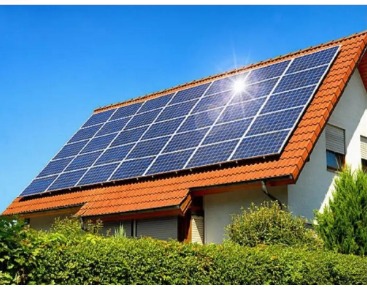
India’s energy landscape is changing — fast.
Rising power bills, frequent rate hikes, and the global shift to clean energy have made homeowners rethink how they power their homes.
Enter solar loans — affordable financing designed specifically for rooftop solar installations.
Just as home loans help you buy property, solar loans help you generate your own electricity — turning rooftops into long-term assets that save money and cut carbon emissions.
1️⃣ What Is a Solar Loan?
A solar loan is a credit facility that helps homeowners finance the installation of rooftop solar systems without paying the entire cost upfront.
You borrow funds from a bank or NBFC to cover solar panel purchase, inverter installation, wiring, and setup — then repay it in EMIs, just like a personal or home loan.
The best part?
Your monthly EMI is often equal to or less than your old electricity bill — meaning solar literally pays for itself over time.
2️⃣ Why Solar Loans Are the Next Big Green Trend
Several trends are driving India’s solar financing boom:
1. Falling Solar Costs
The cost of rooftop solar systems has dropped by over 60% in the past decade, making installations far more accessible.
2. Rising Green Financing Push
The RBI and government are promoting green lending frameworks, encouraging banks to support clean energy projects like solar homes.
3. Energy Independence
With a solar system, homeowners can cut grid reliance, avoid tariff shocks, and even sell surplus power back under net-metering rules.
4. Long-Term ROI
A well-installed rooftop system can pay for itself in 5–6 years and provide free power for over 20 years.
3️⃣ Types of Solar Loans Available in India
| Type | Description | Typical Tenure | Interest Rate (Approx.) |
|---|---|---|---|
| Secured Solar Loan | Linked to property/home loan (lower rate) | 7–15 years | 7.5–9% |
| Unsecured Solar Loan | Personal loan for solar purchase | 3–7 years | 9–12% |
| Green Home Loan Add-on | Extension of existing home loan for solar | 5–10 years | 8–9% |
| Government-Linked Subsidy Loans | Under PM Surya Ghar Yojana and DISCOM tie-ups | Varies | Subsidized or 0% (partial support) |
💬 Many public and private banks — including SBI, HDFC, and Axis — have already launched dedicated solar financing products.
4️⃣ Benefits of Taking a Solar Loan
A solar loan isn’t just about going green — it’s about financial smartness.
✅ 1. Instant Savings on Power Bills
Once installed, you start saving from Day 1. Your EMI replaces your electricity bill — but unlike bills, it ends after a few years.
✅ 2. Long-Term Asset Creation
Solar panels increase property value and reduce running costs — a win for both resale and living expenses.
✅ 3. Tax & Subsidy Benefits
Homeowners can avail government subsidies up to ₹78,000 for rooftop systems (under the PM Surya Ghar Yojana).
✅ 4. Eco-Friendly Lifestyle
Every kW of solar installed saves 1.5 tonnes of CO₂ annually — contributing to a cleaner environment.
✅ 5. Easy Financing & Quick Payback
Most solar loans offer flexible tenure, simple documentation, and can be repaid early without penalties.
5️⃣ How to Apply for a Solar Loan
Choose a verified solar installer with technical approval from your local DISCOM.
Request a detailed project quote — capacity, price, and estimated savings.
Approach your bank or NBFC with your quote, KYC documents, and income proof.
The lender will evaluate repayment capacity and system viability.
Upon approval, the funds are disbursed directly to the installer.
💡 Tip: Look for banks partnered with renewable energy agencies — approvals and disbursals are faster.
6️⃣ How Solar Loans Fit Into the Bigger Green Finance Story
The RBI’s green finance initiatives — including the Green Deposit Framework and push for climate-focused lending — are paving the way for mass adoption of solar energy.
Solar loans perfectly align with these goals by offering:
Affordable credit for sustainable assets
Lower carbon footprint in households
Broader access to clean energy ownership
As awareness grows, solar loans could soon become as common as car or home loans — redefining how Indian households consume energy.
Final Thoughts
The next phase of India’s energy revolution is unfolding not in power plants — but on rooftops.
With falling costs, policy support, and accessible financing, solar loans empower homeowners to own their energy future.
They’re not just a financial product — they’re a personal step toward independence, savings, and sustainability.
A few panels today could power your tomorrow — and pay for themselves along the way.
❓ Frequently Asked Questions (FAQ)
1. What is a solar loan?
A solar loan is a financing option that helps homeowners install rooftop solar systems and repay the cost in EMIs over time.
2. Are solar loans cheaper than personal loans?
Yes. Many solar loans are classified as green finance products, offering lower interest rates than standard personal loans.
3. How much subsidy can I get for solar installation?
Under the PM Surya Ghar Yojana, homeowners can get up to ₹78,000 in subsidies, depending on system capacity.
4. Can I add solar financing to my home loan?
Yes. Many banks allow add-on green home loans or extensions to existing housing loans for solar upgrades.
5. How long does it take to recover the investment?
Most solar systems achieve full payback in 5–6 years, after which you enjoy almost free electricity for 15+ years.
Published on : 11th November
Published by : SMITA
www.vizzve.com || www.vizzveservices.com
Follow us on social media: Facebook || Linkedin || Instagram
🛡 Powered by Vizzve Financial
RBI-Registered Loan Partner | 10 Lakh+ Customers | ₹600 Cr+ Disbursed