

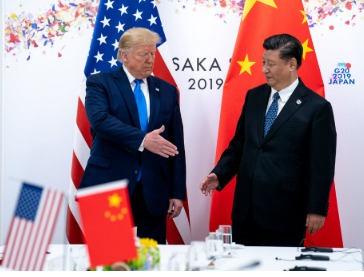
The escalating rivalry between the US and China has positioned South Asia as a key battleground in the emerging Cold War. From trade corridors to military alliances, the region’s strategic location and resources make it ground zero for global geopolitical maneuvering.
1️⃣ Why South Asia Matters
Strategic Location: Bordering both China and the Indian Ocean, the region is vital for maritime and land routes.
Economic Opportunities: Booming markets in India, Bangladesh, and Pakistan attract investment and trade competition.
Military Significance: Presence of critical bases, ports, and defense collaborations makes the region pivotal for security dominance.
2️⃣ US Interests in South Asia
Strengthening Alliances: Bolstering ties with India and other regional partners to counterbalance China’s influence.
Economic Engagement: Promoting trade agreements, technology partnerships, and infrastructure investments.
Strategic Containment: Supporting maritime security initiatives in the Indian Ocean.
3️⃣ China’s Strategic Moves
Belt and Road Initiative (BRI): Investment in infrastructure projects across Pakistan, Sri Lanka, and Bangladesh.
Military Outreach: Expansion of ports and bases under dual-use agreements, increasing strategic leverage.
Economic Diplomacy: Loans, trade deals, and partnerships aimed at strengthening regional dependence on China.
4️⃣ Implications for South Asia
Geopolitical Balancing: Countries must navigate US-China competition carefully to maintain sovereignty.
Security Dilemmas: Increased militarization and strategic posturing may heighten regional tensions.
Economic Opportunities and Risks: Foreign investments bring growth, but also debt and dependency risks.
Diplomatic Complexity: Nations face pressure to choose sides or maintain neutrality amid global scrutiny.
5️⃣ The Road Ahead
Regional powers like India, Pakistan, and Sri Lanka must develop multifaceted strategies to benefit economically while ensuring national security.
Collaboration in trade, infrastructure, and regional security frameworks will determine South Asia’s position in the global Cold War.
Diplomacy, military readiness, and economic resilience will be critical to navigate competing influences from the US and China.
Conclusion
South Asia’s strategic location, economic potential, and geopolitical significance make it the frontline in the US-China Cold War. How regional countries balance influence, investment, and security concerns will shape both the local and global order in the coming decades.
The world is watching as South Asia emerges not just as a bystander, but a key player in global strategic contests.
FAQs
1️⃣ Why is South Asia considered ground zero in the US-China rivalry?
Due to its strategic location, economic potential, and military significance, South Asia is central to US-China competition.
2️⃣ How is the US engaging with the region?
Through alliances, trade partnerships, and maritime security initiatives, particularly with India.
3️⃣ What are China’s strategies in South Asia?
Investments via BRI, infrastructure development, military outreach, and economic diplomacy to expand influence.
4️⃣ What challenges do regional countries face?
Balancing foreign influence, economic growth, and security concerns without compromising sovereignty.
5️⃣ Can South Asia benefit from this rivalry?
Yes, through strategic diplomacy, investment, and partnerships, but risks like debt dependency and geopolitical tension remain.
Published on : 16th October
Published by : SMITA
www.vizzve.com || www.vizzveservices.com
Follow us on social media: Facebook || Linkedin || Instagram
🛡 Powered by Vizzve Financial
RBI-Registered Loan Partner | 10 Lakh+ Customers | ₹600 Cr+ Disbursed
https://play.google.com/store/apps/details?id=com.vizzve_micro_seva&pcampaignid=web_share