

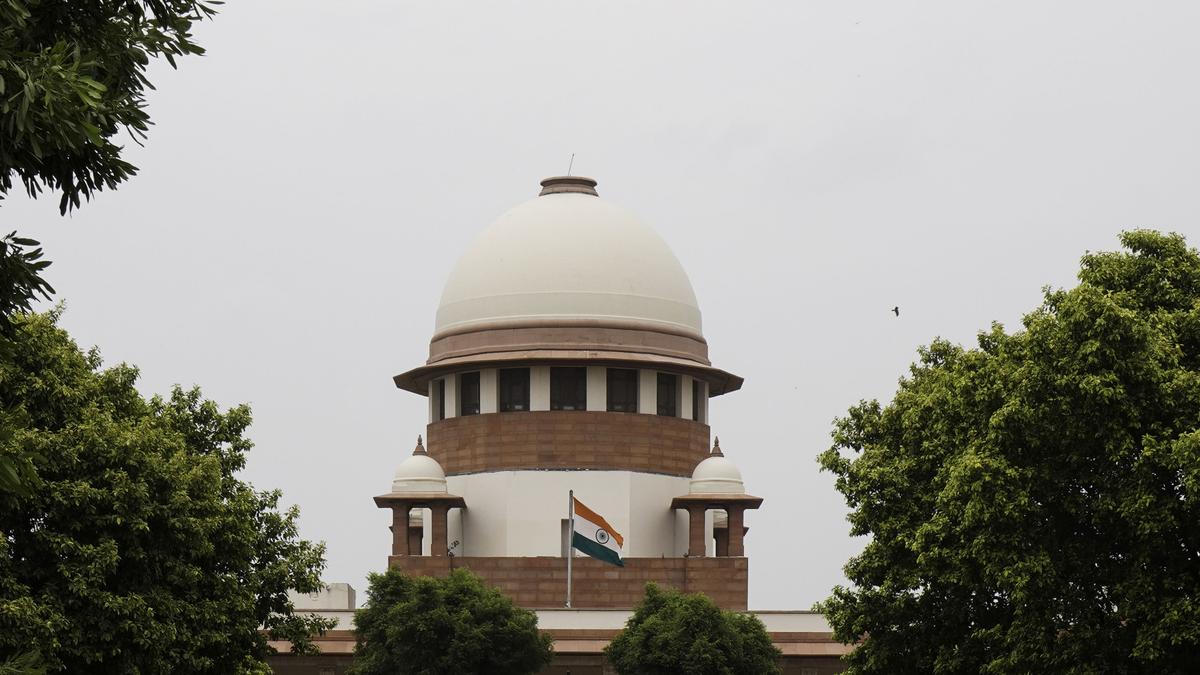
STATE BAR COUNCILS, BCI CANNOT CHARGE ANY 'OPTIONAL' FEE FROM ENROLLING LAWYERS: SUPREME COURT
Supreme Court's Landmark Directive on Enrolment Fees
The Supreme Court of India has unequivocally stated that State Bar Councils and the Bar Council of India (BCI) cannot collect any fees described as ‘optional’ from law graduates during their enrolment as advocates. The court ordered immediate cessation of such fee collection practices by the Karnataka State Bar Council and directed strict compliance with its previous fee-related judgments.
A bench comprising Justices J B Pardiwala and R Mahadevan passed this order on August 4, 2025, in a contempt petition case filed by K L J A Kiran Babu alleging non-compliance with an earlier July 30, 2024 ruling. The Court rejected claims by the Karnataka State Bar Council that fees for ID cards, certificates, welfare funds, training programs, or other services amounting to thousands of rupees (up to Rs 25,000 in some cases) were optional.
Context and Background
In July 2024, the Supreme Court capped enrolment fees under the Advocates Act, 1961 at Rs 750 for general category law graduates and Rs 125 for those belonging to Scheduled Castes and Scheduled Tribes.
The court ruled that charging exorbitant fees violates constitutional rights to equality (Article 14) and to practice a profession (Article 19(1)(g)), especially impacting marginalized and economically weaker sections.
Bar Councils act as statutory delegations but cannot modify or override the fee framework set by Parliament.
The court made clear that such judgments would have a prospective effect; Bar Councils are not obliged to refund excess fees collected before the ruling but must strictly adhere going forward.
Supreme Court’s Clear Stance
“There is nothing like optional,” the Court stated firmly.
Neither the Bar Council of India nor any State Bar Council has the authority to demand or collect any fees beyond the prescribed statutory enrolment fee.
If any such fees labeled “optional” are being collected, they must immediately stop.
The Bar Council of India has been instructed to ensure all State Bar Councils comply fully with this directive without delay.
Impact on Aspiring Lawyers and Legal Profession
The ruling eliminates hidden or excessive fees, reduces entry barriers to the legal profession, and promotes equitable access.
It reassures law graduates and young advocates that they will not be subjected to exploitative financial demands during enrolment.
The decision supports greater inclusivity, especially benefiting socially and economically disadvantaged groups aspiring to join the legal community.
FREQUENTLY ASKED QUESTIONS (FAQ)
Q1: What did the Supreme Court rule about fees charged by State Bar Councils and BCI?
The Court ruled that no State Bar Council or the Bar Council of India can charge any 'optional' fees beyond the statutory enrolment fees.
Q2: What are the statutory enrolment fees specified by the Court?
Rs 750 for general category law graduates and Rs 125 for Scheduled Castes/Scheduled Tribes graduates under the Advocates Act, 1961.
Q3: Why were the additional fees called ‘optional’ challenged?
The Court found the concept of 'optional' fee misleading and stated that collecting any unauthorized fees violates constitutional rights and Court orders.
Q4: Which State Bar Council was specifically ordered to stop collecting optional fees?
The Karnataka State Bar Council was directed in the latest order to cease collecting such fees immediately.
Q5: Does this ruling apply retrospectively to previous collections?
No, the ruling applies prospectively from July 30, 2024; past excessive fees do not have to be refunded.
Published on: August 9, 2025
Published by: PAVAN
www.vizzve.com || www.vizzveservices.com
Follow us on social media: Facebook || Linkedin || Instagram
🛡 Powered by Vizzve Financial
RBI-Registered Loan Partner | 10 Lakh+ Customers | ₹600 Cr+ Disbursed