

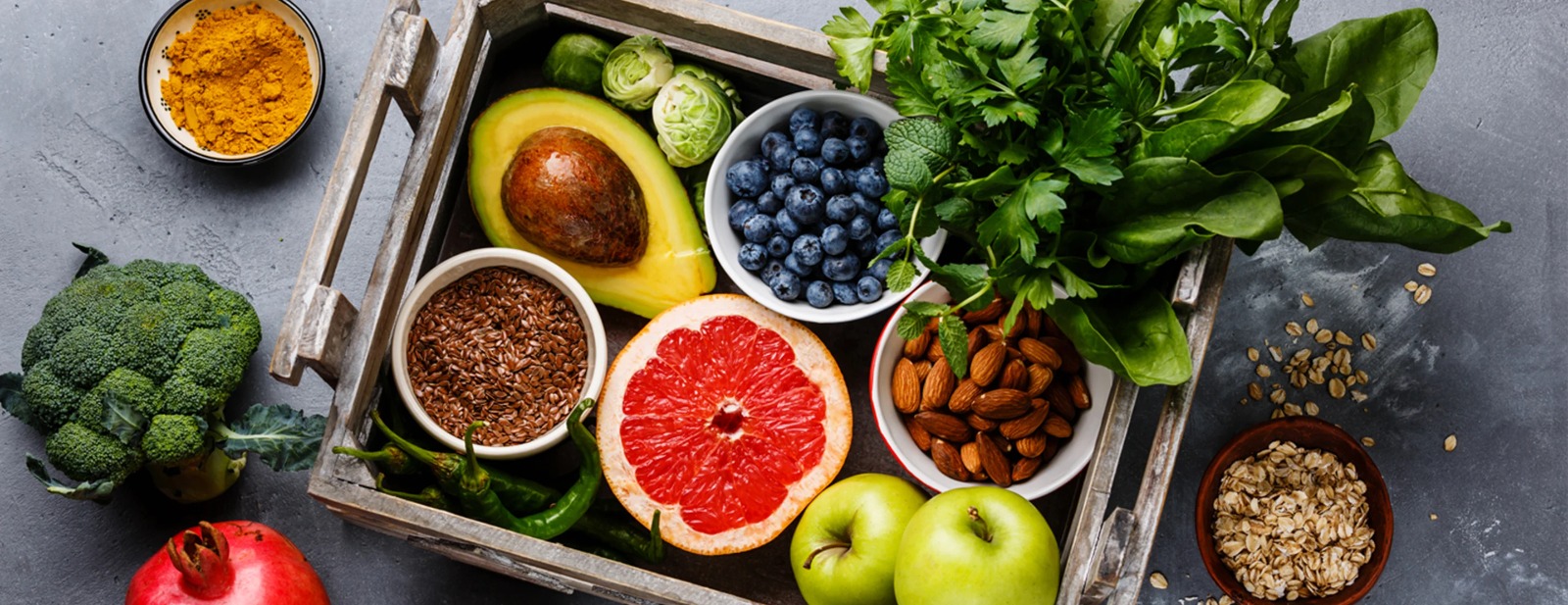
When it comes to healthy eating, most people assume that simply tossing spinach into a juice or smoothie is enough. But even the healthiest foods lose benefits if consumed incorrectly. Many nutrients are sensitive to heat, light, or preparation methods, meaning you might not be getting the full value of what you eat. Here’s a look at 9 popular healthy foods you may not be eating in the right way, along with tips to maximize their benefits.
1. Spinach
Common mistake: Adding raw spinach directly to juices.
Why it matters: Spinach contains oxalates, which bind calcium and can reduce mineral absorption. Blending or juicing in excess may also reduce fiber benefits.
Better approach: Lightly steam or sauté spinach to reduce oxalates, or pair raw spinach with vitamin C-rich fruits (like oranges) in juices to boost iron absorption.
2. Broccoli
Common mistake: Boiling broccoli until mushy.
Why it matters: Overcooking destroys sulforaphane, a key antioxidant.
Better approach: Steam lightly or eat raw in salads for maximum nutrient retention.
3. Carrots
Common mistake: Juicing carrots excessively.
Why it matters: Juicing removes fiber, which helps regulate blood sugar and supports digestion.
Better approach: Eat whole carrots or use minimal juicing with pulp included.
4. Tomatoes
Common mistake: Eating raw tomatoes exclusively.
Why it matters: Lycopene, a powerful antioxidant, becomes more bioavailable after cooking.
Better approach: Incorporate cooked tomatoes into soups, sauces, or light roasting.
5. Garlic
Common mistake: Cooking garlic at high heat for long periods.
Why it matters: Allicin, the compound responsible for garlic’s health benefits, is destroyed by heat.
Better approach: Crush garlic and let it sit for 10 minutes before cooking lightly, or add raw to dressings.
6. Blueberries
Common mistake: Freezing and microwaving blueberries frequently.
Why it matters: Antioxidant levels can drop with repeated heat exposure.
Better approach: Eat fresh or defrost gently. Add to oatmeal, yogurt, or smoothies without reheating.
7. Nuts
Common mistake: Storing nuts in warm or humid places.
Why it matters: Healthy fats can oxidize, reducing nutrient value and causing rancidity.
Better approach: Keep nuts in airtight containers in the fridge or freezer for long-term storage.
8. Eggs
Common mistake: Overcooking eggs or using high heat.
Why it matters: Heat can reduce certain antioxidants in eggs, though protein quality remains intact.
Better approach: Soft-boiled, poached, or lightly scrambled eggs preserve more nutrients.
9. Green Tea
Common mistake: Brewing with boiling water.
Why it matters: High temperatures can destroy catechins, key antioxidants in green tea.
Better approach: Brew at 70–80°C for 2–3 minutes to preserve antioxidants.
Conclusion
Eating healthy is about more than just choosing the right foods—it’s also about preparing and consuming them correctly. Small changes, like lightly steaming vegetables, pairing nutrients strategically, and storing foods properly, can significantly boost the benefits of your diet.
FAQs
Q1: Why shouldn’t I always add spinach to juices?
A: Raw spinach contains oxalates that reduce calcium absorption, and juicing removes fiber. Pairing with vitamin C or lightly cooking can help.
Q2: Are cooked vegetables always less healthy?
A: Not always. Some nutrients, like lycopene in tomatoes, become more bioavailable after cooking, while others may degrade.
Q3: How can I retain antioxidants in nuts and berries?
A: Store nuts in cool, airtight containers and avoid overheating berries to preserve antioxidants.
Q4: Does cooking eggs destroy protein?
A: No, protein remains intact, but some antioxidants are reduced with high heat.
Q5: What’s the best way to brew green tea?
A: Use water around 70–80°C and steep for 2–3 minutes to preserve antioxidants.
Published on : 19th September
Published by : SMITA
www.vizzve.com || www.vizzveservices.com
Follow us on social media: Facebook || Linkedin || Instagram
🛡 Powered by Vizzve Financial
RBI-Registered Loan Partner | 10 Lakh+ Customers | ₹600 Cr+ Disbursed
https://play.google.com/store/apps/details?id=com.vizzve_micro_seva&pcampaignid=web_share