

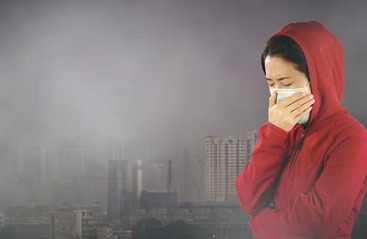
With air quality levels dipping sharply across Indian cities, coughing, throat irritation, and breathing discomfort have become common complaints. The rise in PM2.5 and PM10 pollutants makes the air heavy with microscopic particles that can enter deep into your lungs, triggering inflammation and respiratory distress.
Medical experts warn that prolonged exposure to AQI above 200 can aggravate asthma, allergies, and chronic bronchitis — even in healthy adults.
😷 Why Poor AQI Triggers Coughing
When the air quality index (AQI) drops, your respiratory tract works overtime to filter pollutants. The body responds by producing more mucus and triggering cough reflexes to expel irritants. Common symptoms include:
Persistent dry or wet cough
Sore throat or hoarseness
Wheezing or mild breathlessness
Eye and nasal irritation
If ignored, these can lead to chronic inflammation or reduced lung capacity over time.
5 Smart Ways To Manage Pollution-Related Cough
1. Stay Indoors During Peak Pollution Hours
Avoid early morning and late evening walks when smog concentration is highest. Keep windows closed during traffic rush hours.
2. Use Air Purifiers & Indoor Plants
Invest in a good-quality HEPA air purifier and keep indoor plants like peace lilies or snake plants that naturally absorb toxins.
3. Wear N95 Masks Outdoors
Masks filter out fine particles and can reduce your exposure by up to 95%. Always wear one in high-traffic or industrial areas.
4. Stay Hydrated & Steam Regularly
Warm water, ginger tea, and steam inhalation help clear mucus and soothe your throat.
5. Strengthen Lung Health
Practice deep breathing, yoga, and pranayama. Include foods rich in vitamin C, antioxidants, and omega-3 to fight inflammation.
When To See A Doctor
If coughing persists for more than 10 days, or if you experience chest tightness or wheezing, consult a pulmonologist. Early intervention can prevent long-term respiratory issues.
Expert Tip:
Drinking lukewarm water with honey and turmeric twice daily can help soothe the throat and reduce irritation caused by pollutants.
Lifestyle Habits To Adopt During Poor AQI
Limit outdoor exercise.
Keep car windows rolled up while driving.
Rinse your face and nasal passages after coming indoors.
Use indoor humidifiers to maintain optimal moisture levels.
❓ FAQ
Q1: Can air pollution cause long-term cough?
Yes. Prolonged exposure to poor air quality can lead to chronic bronchitis, especially in urban areas with consistently high AQI.
Q2: Do air purifiers really work?
Yes. HEPA filters remove up to 99% of airborne pollutants, significantly improving indoor air quality.
Q3: What foods help protect the lungs?
Citrus fruits, tulsi tea, turmeric, and omega-3-rich foods help detoxify and strengthen lung tissue.
Q4: Is it safe to exercise outdoors right now?
Avoid intense workouts outdoors if AQI exceeds 200. Choose indoor workouts instead.
Conclusion
Poor air quality doesn’t just affect visibility — it affects your lungs, immunity, and overall wellbeing. By adopting smart protection habits and maintaining good indoor air hygiene, you can significantly reduce the impact of pollution on your health.
Remember: prevention is easier than cure — and every breath you protect today helps build stronger lungs for tomorrow.
Published on : 28th October
Published by : SMITA
www.vizzve.com || www.vizzveservices.com
Follow us on social media: Facebook || Linkedin || Instagram
🛡 Powered by Vizzve Financial
RBI-Registered Loan Partner | 10 Lakh+ Customers | ₹600 Cr+ Disbursed
https://play.google.com/store/apps/details?id=com.vizzve_micro_seva&pcampaignid=web_share