

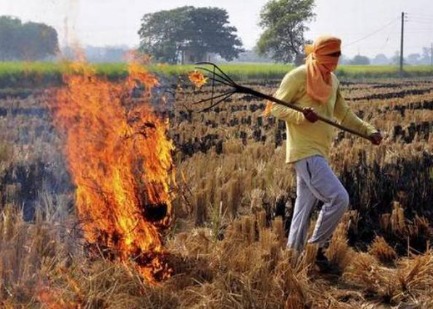
Stubble burning continues to be a pressing environmental issue in Punjab, contributing significantly to air pollution levels in the region. While there has been a noticeable decline in incidents compared to previous years, the practice persists, posing challenges to both public health and environmental sustainability.
Current Situation
As of October 12, 2025, Punjab reported 116 stubble burning incidents this season, with Amritsar district accounting for over half of these cases. Notably, the state has seen a decrease in incidents compared to previous years, with 533 cases in 2024 and 1,063 in 2023. However, the practice remains prevalent, particularly in certain districts.
Contributing Factors
Several factors contribute to the persistence of stubble burning in Punjab:
Short Window for Wheat Sowing: The narrow window between paddy harvest and wheat sowing compels farmers to clear fields quickly, often resorting to burning residue.
Lack of Alternative Options: Limited access to machinery for crop residue management and inadequate infrastructure for processing stubble into alternative products hinder sustainable practices.
Policy Responses
The Punjab government has implemented various measures to curb stubble burning:
Legal Actions: Authorities have registered 60 FIRs and imposed environmental fines totaling ₹2.75 lakh this season.
Awareness Campaigns: Initiatives to educate farmers about the harmful effects of stubble burning and promote alternative residue management techniques.
Infrastructure Development: Efforts to provide farmers with access to machinery for in-situ crop residue management.
Environmental and Health Implications
Stubble burning significantly contributes to air pollution, particularly in the Delhi-NCR region. The practice releases large quantities of particulate matter and other pollutants, leading to deteriorating air quality and associated health risks, including respiratory issues and eye irritation.
Conclusion
While progress has been made in reducing stubble burning incidents in Punjab, the practice remains a significant environmental challenge. Continued efforts are needed to provide farmers with sustainable alternatives and to strengthen enforcement measures to protect public health and the environment.
FAQs
Q1: What is stubble burning?
Stubble burning is the practice of setting fire to the residue of harvested crops, primarily paddy, to clear fields for the next sowing season.
Q2: Why do farmers resort to stubble burning?
Farmers often burn stubble due to the short window between harvesting paddy and sowing wheat, coupled with limited access to alternative residue management options.
Q3: What are the environmental impacts of stubble burning?
The practice releases pollutants into the air, contributing to poor air quality and posing health risks to the population.
Q4: How can stubble burning be reduced?
Providing farmers with access to machinery for crop residue management, promoting awareness about the harmful effects of burning, and developing infrastructure for processing stubble into alternative products can help reduce stubble burning.
Published on : 12th October
Published by : SMITA
www.vizzve.com || www.vizzveservices.com
Follow us on social media: Facebook || Linkedin || Instagram
🛡 Powered by Vizzve Financial
RBI-Registered Loan Partner | 10 Lakh+ Customers | ₹600 Cr+ Disbursed
https://play.google.com/store/apps/details?id=com.vizzve_micro_seva&pcampaignid=web_share