

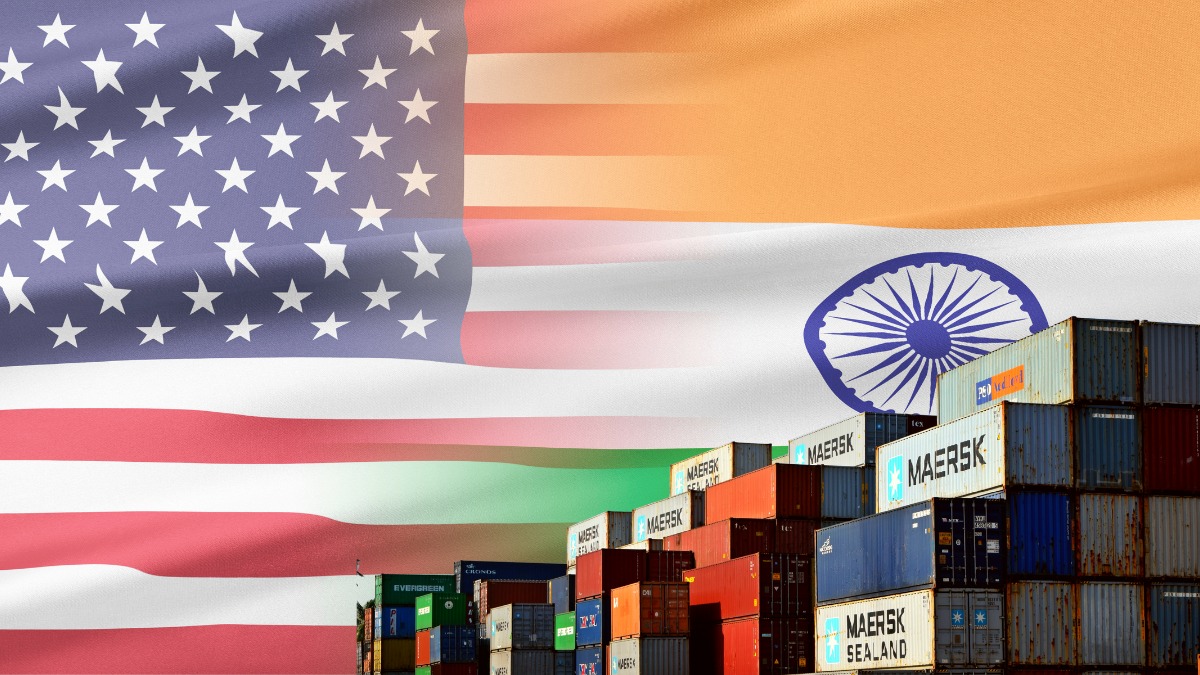
Small and medium-sized enterprises (SMEs) in India are facing mounting challenges due to rising U.S. tariffs, which have disrupted exports of textiles, engineering goods, and other key sectors. To mitigate these risks, the government and financial institutions are increasingly offering credit guarantees—a financial lifeline that can keep SMEs afloat during turbulent trade conditions.
What Are Credit Guarantees?
Definition: A credit guarantee is a promise by a third party (typically the government or a financial institution) to cover part of a loan or payment if the borrower defaults.
Purpose: Reduce risk for banks and lenders, making it easier for SMEs to access financing even in uncertain export markets.
Target: Exporters, especially those facing sudden trade restrictions or tariff shocks.
Why This Matters Amid U.S. Tariffs
SMEs Face Cash Flow Crunch:
Tariffs increase costs or reduce demand in key overseas markets, straining working capital.
Bank Hesitation:
Lenders may be reluctant to extend credit during trade uncertainty. Credit guarantees mitigate the perceived risk.
Boost for Export Competitiveness:
With assured financing, SMEs can continue production, fulfill orders, and maintain their reputation globally.
How SMEs Can Benefit
Access to Working Capital Loans: Credit guarantees enable banks to approve loans quickly.
Lower Interest Rates: Reduced lender risk often translates to cheaper borrowing costs.
Business Continuity: SMEs can absorb tariff shocks without halting operations.
Growth Opportunities: Stable financing allows for investment in technology, marketing, and diversification of export markets.
Key Considerations
Eligibility Criteria: SMEs must comply with export regulations and maintain good credit history.
Coverage Limits: Credit guarantees typically cover a percentage of the loan—not the entire amount.
Documentation: Exporters need to submit financial statements, export contracts, and bank approvals.
Conclusion
For Indian SMEs facing the ripple effects of U.S. tariffs, credit guarantees are a crucial safety net. They not only secure financing but also instill confidence to continue exporting. By leveraging these schemes, small businesses can weather international trade disruptions, protect jobs, and sustain growth in a competitive global market.
FAQs
Q1. What is a credit guarantee for exporters?
It’s a promise by a third party (government or bank) to cover part of a loan if an exporter defaults, reducing lender risk.
Q2. Who is eligible for credit guarantee schemes?
Primarily SMEs engaged in exports with a good credit record and valid export contracts.
Q3. How does it help SMEs facing U.S. tariffs?
It ensures access to working capital and financial stability despite tariff-induced cost pressures.
Q4. Do credit guarantees cover the full loan amount?
No, they usually cover a percentage of the loan—specific terms depend on the scheme.
Q5. How can SMEs apply for these guarantees?
Applications are made through participating banks and financial institutions offering export credit guarantee schemes.
Published on : 8th September
Published by : SMITA
www.vizzve.com || www.vizzveservices.com
Follow us on social media: Facebook || Linkedin || Instagram
🛡 Powered by Vizzve Financial
RBI-Registered Loan Partner | 10 Lakh+ Customers | ₹600 Cr+ Disbursed
https://play.google.com/store/apps/details?id=com.vizzve_micro_seva&pcampaignid=web_share