

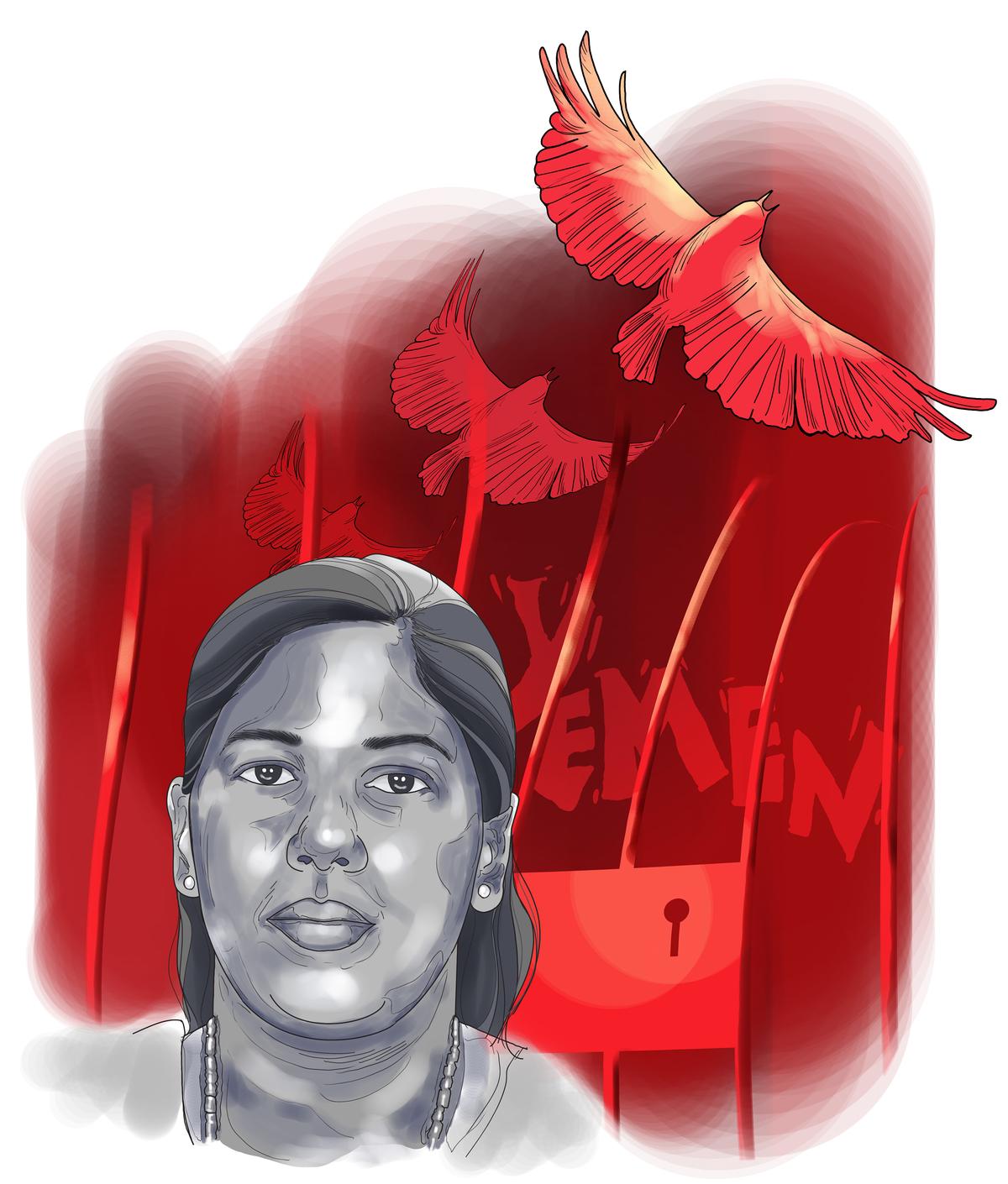
Supreme Court to Hear Plea on July 14 for Kerala Nurse Facing Execution in Yemen
The Supreme Court of India has agreed to hear a petition on July 14 seeking urgent diplomatic intervention to save Nimisha Priya, a Kerala-born nurse sentenced to death in Yemen. The plea, filed by the 'Save Nimisha Priya Action Council,' urges the Indian government to facilitate negotiations for "blood money," a legal provision under Sharia law that could lead to her pardon if accepted by the victim's family.
Background of the Case
Nimisha Priya, aged 37, was convicted in 2020 for the alleged murder of Yemeni national Talal Abdo Mehdi in 2017. Reports indicate that the incident stemmed from personal and legal disputes between Priya and Mehdi, who had reportedly taken her passport and limited her freedom. The case has drawn international attention, with various human rights organizations and Indian government bodies attempting diplomatic interventions to seek clemency or mitigate the sentence.
Legal and Diplomatic Efforts
The petition before the Supreme Court emphasizes that under Sharia law, a person facing execution can be pardoned if the victim's family agrees to accept "blood money." The petitioners have urged the Indian government to explore this option through diplomatic channels to secure Priya's release.
Human rights activist Samuel Jerome, associated with the Save Nimisha Priya Action Council, has been involved in negotiations with Yemeni officials and the victim’s family. The negotiation team has offered USD 1 million in financial assistance to Mehdi's family, along with additional support, to encourage them to accept the offer. However, as of the latest reports, the family has not responded to the offer.
Government's Role and Public Sentiment
The Ministry of External Affairs (MEA) has been closely monitoring the situation and has been in regular touch with local authorities and Priya's family members. Given the absence of a direct diplomatic presence in Yemen, the MEA has been coordinating through the Indian Embassy in Saudi Arabia.
The case has sparked widespread public concern, particularly in Kerala, with calls for the Indian government to take swift action to prevent the execution. Members of Parliament, including K. Radhakrishnan from Alathur, have written to Prime Minister Narendra Modi, urging urgent diplomatic intervention to save Priya's life.
Looking Ahead
The Supreme Court's hearing on July 14 will be a critical juncture in the efforts to save Nimisha Priya. The outcome of the hearing could determine the course of diplomatic negotiations and the possibility of securing a pardon through the blood money provision. As the execution date approaches, the urgency of international diplomatic efforts continues to grow.
Frequently Asked Questions (FAQ)
Q1: What is "blood money" in the context of this case?
"Blood money" is a legal provision under Sharia law that allows the victim's family to pardon the offender in exchange for financial compensation
Q2: Why is the Supreme Court of India involved?
The Supreme Court is hearing a petition seeking the Indian government's intervention to facilitate negotiations for blood money to save Nimisha Priya from execution.
Q3: What has been the response of the Yemeni authorities?
The Yemeni authorities have issued an execution order, but the possibility of a pardon remains if the victim's family accepts the blood money offer.
Q4: How can the public support Nimisha Priya?
Public support can be shown by raising awareness, contacting government representatives, and supporting organizations working on her behalf.
Q5: What are the next steps after the Supreme Court hearing?
Depending on the Court's decision, the Indian government may intensify diplomatic efforts to negotiate with the victim's family and Yemeni authorities.
Published on: July 10, 2025
Published by: PAVAN
www.vizzve.com || www.vizzveservices.com
Follow us on social media: Facebook || Linkedin || Instagram
🛡 Powered by Vizzve Financial
RBI-Registered Loan Partner | 10 Lakh+ Customers | ₹600 Cr+ Disbursed