

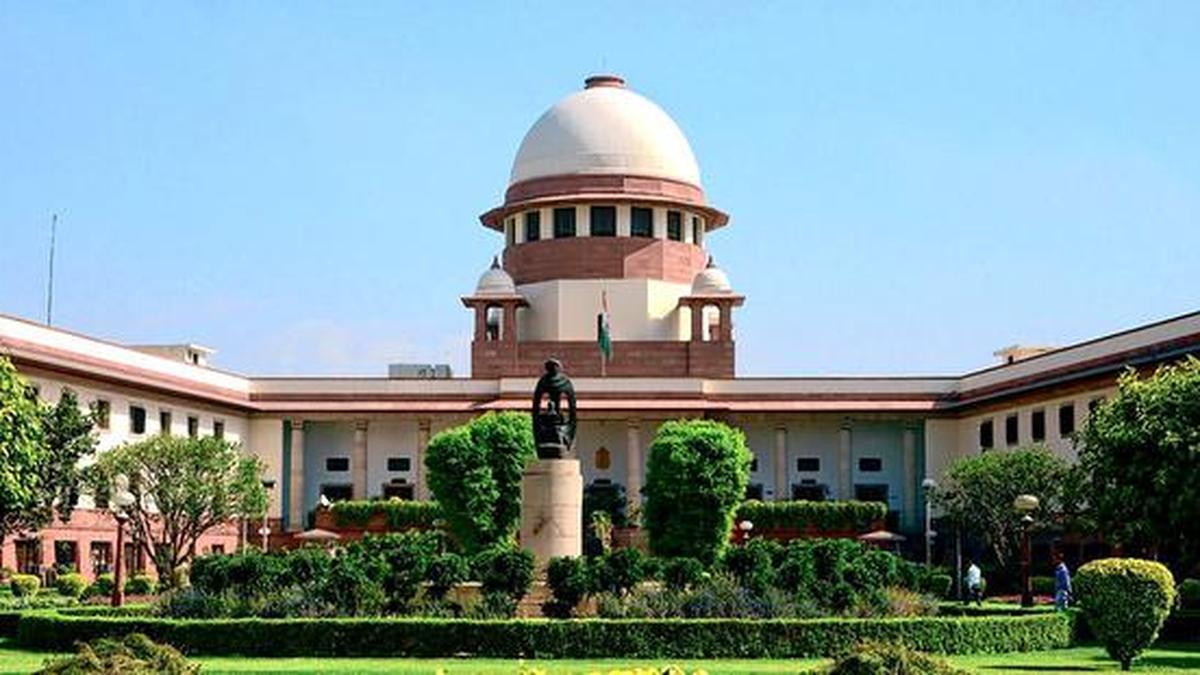
Supreme Court Highlights Decline in Women’s Representation in Parliament
In a significant observation, the Supreme Court of India raised a critical question regarding the declining presence of women in Parliament. Justice B.V. Nagarathna, the only woman judge currently serving in the Supreme Court, remarked that women — often referred to as the “largest minority” in India — should not have to depend solely on reservation policies to secure representation.
The comment came during a hearing on gender representation, where the bench pointed out that despite India’s strides toward gender equality, women continue to be underrepresented in legislative bodies.
Justice Nagarathna observed, “Why can’t women be given representation without reservation? We keep talking about empowerment, but the numbers in Parliament show a worrying decline.”
Falling Numbers Raise Concern
According to data from the Election Commission and Lok Sabha archives, the number of women MPs has not seen consistent growth over the years. Despite public promises and political commitments, women occupy less than 15% of seats in Parliament — a figure that remains far below the global average.
Justice Nagarathna’s remarks echo a growing sentiment across social and political circles that true gender equality can only be achieved through active inclusion and not just token policies.
Women: The ‘Largest Minority’ of India
While women constitute nearly half of India’s population, their voice in policymaking remains limited. The Supreme Court’s remarks serve as a wake-up call for political parties to take proactive steps toward ensuring genuine representation for women at all levels of governance.
The Women’s Reservation Bill, which proposes a 33% quota for women in Parliament and state legislatures, has been passed but is yet to be implemented. Critics argue that even with reservation, political will and societal change are necessary for long-term equality.
FAQs
1. What did Justice B.V. Nagarathna say about women’s representation?
Justice Nagarathna questioned why women cannot be given fair representation in Parliament without the need for reservation, emphasizing that women form the “largest minority” in India.
2. What is the Women’s Reservation Bill?
The Women’s Reservation Bill seeks to reserve 33% of seats in the Lok Sabha and state assemblies for women to enhance gender balance in political representation.
3. How many women MPs are currently in Parliament?
Currently, women make up around 14% of the Members of Parliament — one of the lowest figures among major democracies.
4. Why is representation important for women?
Equal representation ensures diverse perspectives in policymaking, encourages social equality, and strengthens democratic institutions.
5. How does Vizzve Finance support women empowerment?
Vizzve Finance provides financial tools, digital literacy programs, and funding opportunities for women entrepreneurs, helping them achieve economic independence and contribute to India’s growth story.
Published on : 10TH November
Published by : SARANYA
Source Credit ;Krishnadas Rajagopal
www.vizzve.com || www.vizzveservices.com
Follow us on social media: Facebook || Linkedin || Instagram
🛡 Powered by Vizzve Financial
RBI-Registered Loan Partner | 10 Lakh+ Customers | ₹600 Cr+ Disbursed