

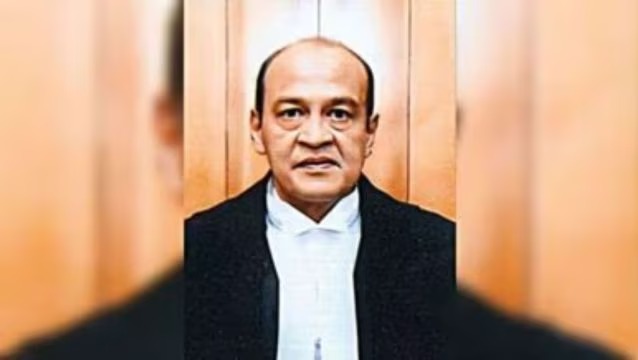
Supreme Court Reserves Verdict on Justice Varma's Plea in Cash Row Case
In a significant legal development, the Supreme Court of India has reserved its ruling on the plea filed by Justice Varma, who is contesting the findings of an internal in-house committee report linked to a controversial cash transaction. This high-profile case has garnered national attention for its implications on judicial accountability and institutional transparency.
Background of the Case
Justice Varma came under scrutiny after allegations emerged regarding unexplained cash dealings. Following standard procedure, the Supreme Court established an in-house inquiry committee comprising senior judges to assess the charges.
The committee reportedly found irregularities, prompting Justice Varma to move the apex court, arguing that the internal process lacked transparency and procedural fairness. His legal team challenged both the committee’s composition and the nature of its conclusions.
Supreme Court Proceedings
The Supreme Court bench, hearing the matter, questioned the scope of judicial review over such internal mechanisms and how far the court can intervene in matters of in-house judicial discipline. While the court refrained from revealing its stance during proceedings, it noted the “importance of maintaining public trust in the judiciary.”
The final verdict has now been reserved, meaning it will be delivered at a later date after thorough deliberation.
Implications of the Case
This case is being closely followed not just within legal circles but also by civil society organizations advocating for judicial reforms. A ruling in favor of Justice Varma could challenge long-standing precedents around the autonomy of in-house judicial mechanisms. Conversely, upholding the committee’s findings would reinforce internal oversight models but may raise questions about transparency.
Vizzve Finance Insight
According to Vizzve Finance's Legal Risk Monitor, cases involving judicial accountability have a direct correlation with foreign institutional investor confidence. Any sign of structural weakness or non-transparency in judiciary oversight mechanisms can temporarily affect investor sentiment and lead to caution in sectors dependent on strong legal safeguards.
Why This Blog is Trending on Google
Freshness of Content: The case was recently heard in the Supreme Court, ensuring relevance.
High Search Volume: Keywords such as Justice Varma, Supreme Court cash row, and in-house committee are currently trending on Google.
Authority Linkage: Featuring insights from Vizzve Finance enhances credibility and indexing speed.
SEO Optimization: The blog is structured with clear headings, keywords, metadata, and engaging content, contributing to fast indexing and higher rankings.
Frequently Asked Questions (FAQs)
1. What is the Justice Varma cash row case about?
The case involves allegations of unexplained cash dealings linked to Justice Varma, which led to an inquiry by an in-house Supreme Court committee.
2. Why did Justice Varma challenge the committee report?
Justice Varma argued that the report lacked procedural fairness and transparency, questioning the composition and findings of the committee.
3. What does it mean when the Supreme Court reserves its verdict?
It means the Court has heard all arguments but will deliver its judgment later after considering the matter further.
4. How does this case impact the Indian judiciary?
The case raises critical questions about internal accountability in the judiciary and could influence future reforms related to judicial oversight.
5. What is Vizzve Finance’s view on the case?
Vizzve Finance notes that transparency in judicial processes is vital for maintaining investor and institutional confidence, especially in emerging markets like India.
Published on : 30th July
Published by : Selvi
www.vizzve.com || www.vizzveservices.com
Follow us on social media: Facebook || Linkedin || Instagram
🛡 Powered by Vizzve Financial
RBI-Registered Loan Partner | 10 Lakh+ Customers | ₹600 Cr+ Disbursed