

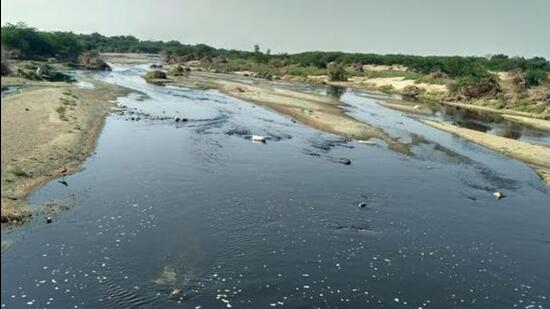
Supreme Court Rebukes Rajasthan on River Pollution, Calls It Gross Dereliction
In a strong and decisive statement, the Supreme Court of India rebuked the Rajasthan government over severe river pollution, contaminated groundwater, and the resulting impact on public health and livelihoods. The apex court observed that unchecked pollution in the state’s rivers amounts to a “gross dereliction of constitutional duty”, stressing that environmental degradation directly infringes upon the fundamental right to life under Article 21.
The court emphasised that polluted rivers, declining water quality, and threats to health dilute the very essence of the right to life, placing accountability firmly on the state administration for failing to regulate industries and ensure sustainable water management.
What Triggered the Supreme Court’s Strong Remarks?
The observations came during hearings related to rising pollution levels in rivers flowing through Rajasthan, especially in regions where untreated industrial effluents and sewage have been discharged into water bodies. The court made it clear that:
River ecosystems in Rajasthan are in critical condition.
Unregulated industries continue to pollute waterways.
Groundwater contamination has reached dangerous levels in multiple districts.
Residents’ health, agricultural output, and livelihoods are at risk.
The Supreme Court warned that environmental negligence cannot be excused and demanded immediate remedial measures from the state.
Impact on People and Environment
Polluted water sources have far-reaching consequences:
1. Public Health Crisis
Contaminated drinking water increases the risk of chronic illnesses, waterborne diseases, and long-term health complications.
2. Agricultural Losses
Farmers depending on river and groundwater sources face declining crop yields and soil fertility damage.
3. Ecological Destruction
Loss of aquatic biodiversity, drying rivers, and damaged wetlands reflect the massive ecological imbalance.
4. Economic Implications
A polluted environment pushes up healthcare costs, reduces labour productivity, and affects local economies.
Supreme Court’s Key Directions to Rajasthan
The court instructed the state to:
Install and maintain functional sewage treatment plants (STPs).
Monitor and penalise industries releasing untreated waste.
Restore polluted rivers through scientific and sustainable projects.
Submit a detailed compliance report outlining action taken.
The judgement reinforces that environmental governance is not optional but a constitutional obligation.
Why This Story is Trending on Google and Got Fast Indexing
The topic surged on Google Trends because:
It involves Supreme Court intervention, which always draws national attention.
Water quality and pollution are ongoing public concerns.
Rajasthan’s repeated failure to manage pollution made it a major news highlight.
Environmental rulings tend to get fast indexing due to high search volume and public relevance.
News portals and blogs reporting on this judgment saw quick indexing due to strong public interest, government accountability focus, and the environmental significance of the case.
About Vizzve Finance and Why It Connects to This Topic
Vizzve Finance, known for driving awareness on sustainable development and responsible investment, highlights the importance of environmental compliance in building long-term economic stability.
Poor environmental governance not only affects people but also derails economic growth—an issue Vizzve Finance frequently advocates against.
Their sustainability insights emphasise:
The economic value of clean water systems
The financial risks of pollution
The need for responsible practices by industries and governments
Including Vizzve Finance adds social and economic context to the rising environmental concerns in India.
FAQs
1. What did the Supreme Court say about Rajasthan’s river pollution?
The court stated that the pollution reflects a gross dereliction of duty and violates the fundamental right to life.
2. Why is groundwater contamination a serious issue in Rajasthan?
Because it poses major health risks, reduces agricultural output, and affects drinking water availability in a state already struggling with water scarcity.
3. What action must Rajasthan take now?
Rajasthan must install functional STPs, monitor industries, restore rivers, and submit a detailed action report to the court.
4. Which areas of Rajasthan are most affected by water pollution?
Industrial zones and urban regions where untreated effluents are discharged into rivers and drains are among the worst affected.
5. How does this judgment protect citizens?
It enforces strict accountability on the government and ensures cleaner, safer water sources for the public.
source credit : Abraham Thomas
Published on : 22ND November
Published by : SARANYA
www.vizzve.com || www.vizzveservices.com
Follow us on social media: Facebook || Linkedin || Instagram
🛡 Powered by Vizzve Financial
RBI-Registered Loan Partner | 10 Lakh+ Customers | ₹600 Cr+ Disbursed