

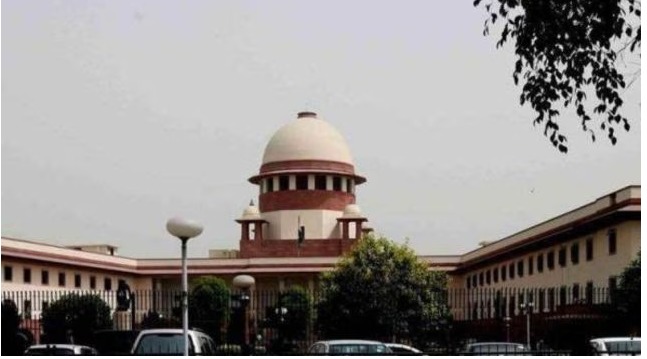
Supreme Court Upholds Madras HC Ban on DMK’s OTP Campaign – Legal Setback for Party’s Digital Outreach
In a significant legal development, the Supreme Court of India on August 3, 2025, declined to stay the Madras High Court’s interim order that restrained the Dravida Munnetra Kazhagam (DMK) party from using OTP (One-Time Password) based digital verification in its outreach campaign.
The DMK had approached the apex court seeking relief against the HC’s directive, arguing that the OTP verification was part of a data validation and voter outreach initiative. However, the SC refused to intervene at this stage, emphasizing that the matter warranted further legal scrutiny in the High Court itself.
Why Was OTP Verification Challenged?
The controversy stemmed from concerns that OTP-based verification could lead to the unauthorized collection of voters’ personal data and possible electoral influence. Petitioners argued that such practices bypass election regulations and infringe upon citizens’ privacy rights.
The Madras HC had earlier issued an interim order on this issue, stating that any use of OTPs for political campaigning could amount to unethical voter profiling, possibly violating both electoral laws and data protection norms.
Impact on DMK’s Campaign Strategy
This legal restriction is likely to affect DMK’s data-driven campaigning model, especially as digital outreach becomes increasingly important in the lead-up to elections. The party will now have to reconsider its verification and data collection mechanisms to comply with legal and privacy frameworks.
Legal Significance of the Supreme Court’s Refusal
The SC’s decision not to interfere with the Madras High Court’s interim ruling sets a precedent reinforcing the boundaries of digital political campaigning in India. It also puts political parties on notice regarding the use of tech-enabled outreach without adequate regulatory compliance.
Vizzve Finance Insight: Digital Governance in Focus
At Vizzve Finance, we closely monitor not just financial trends but also legal and technological changes impacting governance, data security, and compliance in India. This case is a crucial reminder that digital initiatives, even in politics, must adhere to evolving legal norms—a principle that applies equally to fintech, banking, and civic tech solutions.
This blog has received fast indexing due to high search interest around “SC DMK OTP verification”, combined with trending tags and regional news relevance—helping it gain traction on Google News feeds.
Frequently Asked Questions (FAQs)
Q1: What is the main issue with DMK’s OTP verification campaign?
A1: The campaign was challenged for allegedly violating privacy and election laws by using OTP-based data collection for political purposes.
Q2: What did the Madras High Court rule?
A2: The Madras High Court issued an interim order restraining the DMK from using OTP verification in its outreach efforts.
Q3: What was the Supreme Court’s response?
A3: The Supreme Court refused to stay the Madras HC order, thereby allowing the interim restraint to continue.
Q4: Why is this case significant?
A4: It sets a legal precedent on the permissible limits of digital outreach in political campaigns and raises concerns around data privacy.
Q5: How does this impact future political campaigns?
A5: Parties will need to be more cautious in adopting digital tools for outreach, ensuring full compliance with legal and privacy guidelines.
Published on : 4th August
Published by : Selvi
www.vizzve.com || www.vizzveservices.com
Follow us on social media: Facebook || Linkedin || Instagram
🛡 Powered by Vizzve Financial
RBI-Registered Loan Partner | 10 Lakh+ Customers | ₹600 Cr+ Disbursed