

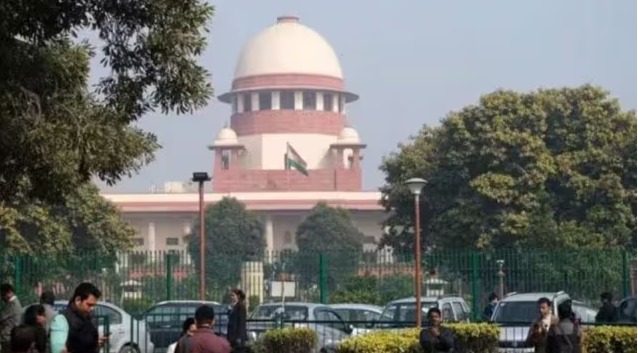
In a significant ruling that reinforces India's linguistic and cultural pluralism, the Supreme Court of India has upheld the use of Urdu signage in Maharashtra, calling the language one of the “finest specimens of Hindustani culture.”
The verdict came in response to a petition challenging the mandatory inclusion of Urdu on public signage boards in select municipal areas of Maharashtra. Petitioners had argued that Urdu signage promoted one language over others and questioned its relevance in a multilingual society. However, the apex court dismissed the plea, emphasizing the historical and cultural richness Urdu brings to the Indian identity.
A Strong Cultural Endorsement
In its judgment, the Supreme Court stated,
“Urdu is not merely a language; it is a bearer of cultural legacy, poetry, music, and shared history. To deny it space in public spheres is to erase a vital strand of India’s composite heritage.”
The bench acknowledged that while linguistic preferences vary across regions, India’s Constitution upholds the promotion of all languages and respects their contribution to the national fabric. The court also reminded petitioners of Article 29 and 30, which protect the rights of minorities to preserve their culture and language.
Background of the Case
The case stemmed from a civic regulation in certain municipalities of Maharashtra — especially those with sizeable Urdu-speaking populations — that mandated trilingual signage including Marathi, English, and Urdu. The move had sparked both support and opposition from local political and social groups, some of whom saw it as unnecessary favoritism.
The petition had argued that local bodies should have the flexibility to decide language use based on demographic and practical considerations. However, the court took a broader view, stating that inclusivity in public language usage should reflect both democratic values and cultural acknowledgment.
Celebration Among Cultural Circles
The ruling was met with appreciation by Urdu scholars, writers, and cultural organizations. Many hailed it as a progressive move that recognizes the literary and social contributions of Urdu to India — from the ghazals of Ghalib to the scripts of Bollywood classics.
Celebrated Urdu poet Javed Akhtar welcomed the decision, calling it a “victory for cultural inclusivity and artistic tradition.”
Political and Social Implications
While the ruling has reignited conversations around language politics in India, it also sets a precedent for promoting linguistic harmony over homogenization. With India's urban and rural landscapes becoming increasingly diverse, the decision encourages local governments to embrace multilingualism as a reflection of the people they serve.
Maharashtra’s state government, for its part, welcomed the ruling and said it would continue to ensure representation of all linguistic communities in the public sphere.
Conclusion
In a time of rising identity-based divisions, the Supreme Court’s ruling stands out as a powerful affirmation of India's pluralistic ethos. By upholding Urdu signage, the court has reminded the nation that diversity is not just a demographic fact but a constitutional and cultural strength
🟢 Why Choose Vizzve Financials?
Vizzve isn’t just another financial company. It’s a community-driven platform built to simplify loans, improve financial literacy, and support your goals.
✅ Instant Loan Approvals
✅ Low Interest Rates
✅ Easy Documentation
✅ Expert Loan Advisory
✅ Loans for Salaried, Self-Employed & Businesses
Whether you’re looking to consolidate debt, grow a business, or fund personal needs—Vizzve is your trusted partner.
📌 Final Thoughts
Real stories, expert tips, and the right loan partner can help you unlock your financial potential. Let Vizzve Financials be part of your journey toward savings, stability, and success.
📲 Ready to take the next step? Visit www.vizzve.com and apply for a loan today!
Supreme Court Urdu ruling,
Urdu signage Maharashtra,
Hindustani culture, \
language rights India,
cultural heritage Urdu,
multilingual signage,
Urdu in public spaces,
Indian court decisions,
Urdu preservation,
Maharashtra language policy