

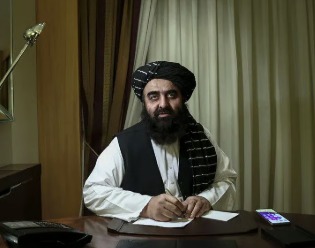
In October 2025, Afghanistan’s Foreign Minister, Amir Khan Muttaqi, is set to visit India — the first high-level Taliban-led delegation since the group took control in 2021. While India has yet to formally recognize the Taliban government, this meeting symbolizes a pragmatic shift in India’s approach toward Afghanistan and could redefine regional diplomacy, trade, and security.
1. Background: India’s Position Since 2021
After the Taliban’s return to power, India initially pulled out its embassy and suspended most official ties. However, it soon resumed humanitarian aid, medical supplies, and limited engagement through a technical mission in Kabul.
By 2023, back-channel talks and regional summits began to reopen space for cautious communication — all leading up to this landmark visit in 2025.
2. Why This Visit Matters
A. First Ministerial Visit Since Taliban Takeover
This marks a major milestone — shifting India’s engagement from indirect dialogue to open, diplomatic exchange.
B. A New Diplomatic Equation
India’s outreach demonstrates a strategic pragmatism — recognizing Afghanistan’s importance in regional security and connectivity while avoiding formal recognition.
C. Economic & Connectivity Agenda
India’s interests in Afghanistan are deeply tied to the Chabahar Port project in Iran and regional trade corridors that bypass Pakistan. This visit may open discussions around smoother trade, transit access, and energy cooperation.
D. Signaling Regional Leadership
By hosting the Taliban’s foreign minister, India asserts itself as a key regional stakeholder, balancing its diplomatic independence amid global uncertainties.
3. Potential Gains for India
Strategic Influence: Direct engagement helps India monitor on-ground developments and security dynamics near its borders.
Trade Expansion: Reviving trade ties could reopen markets for Indian goods and services in Afghanistan.
Humanitarian Soft Power: Continued aid and education support enhance India’s image among the Afghan population.
Geopolitical Leverage: India can position itself as a bridge between Afghanistan and the international community.
4. The Risks and Challenges
Legitimacy Concerns: Hosting a Taliban official may raise criticism from Western partners who haven’t recognized the regime.
Security Threats: India must ensure Afghan soil isn’t used by terror groups that threaten its interests.
Human Rights Issues: Continued reports of restrictions on women’s rights and freedoms remain a moral and diplomatic dilemma.
Balancing Regional Relations: Managing ties with both Afghanistan and its neighbours — especially Pakistan and Iran — will be delicate.
5. Strategic Outlook: What Lies Ahead
India is likely to maintain a non-recognition but engagement policy — focusing on trade, aid, and security cooperation.
Future talks may explore visa facilitation, business channels, and infrastructure linkages via Chabahar and Central Asia.
The visit could set the stage for multilateral cooperation involving Iran, Russia, and Central Asian states to stabilize the region.
India’s success will depend on balancing diplomatic pragmatism with principled policy on rights, stability, and security.
Conclusion
The Taliban foreign minister’s visit is not just a diplomatic meeting — it’s a strategic inflection point. India’s cautious outreach shows its readiness to adapt to the evolving geopolitical reality while safeguarding its long-term interests in Afghanistan and beyond. Whether this leads to deeper cooperation or remains symbolic will depend on how both sides navigate trust, trade, and transparency in the coming months.
FAQs
Q1: Does this visit mean India is recognizing the Taliban government?
No. India’s engagement is pragmatic and focused on security and trade — it does not imply formal recognition.
Q2: What are India’s main interests in Afghanistan?
Security, counterterrorism, trade routes via Chabahar Port, and maintaining stability in the region.
Q3: How could this visit affect India’s regional relationships?
It may strengthen India’s influence in Central Asia but could strain ties with some Western partners or Pakistan.
Q4: Will this lead to more bilateral agreements?
Possibly — discussions may include trade facilitation, humanitarian aid, and infrastructure cooperation.
Q5: What does this mean for regional stability?
Constructive engagement could improve communication channels and help prevent instability from spilling over into neighbouring countries.
Published on : 4th October
Published by : SMITA
www.vizzve.com || www.vizzveservices.com
Follow us on social media: Facebook || Linkedin || Instagram
🛡 Powered by Vizzve Financial
RBI-Registered Loan Partner | 10 Lakh+ Customers | ₹600 Cr+ Disbursed
https://play.google.com/store/apps/details?id=com.vizzve_micro_seva&pcampaignid=web_share