

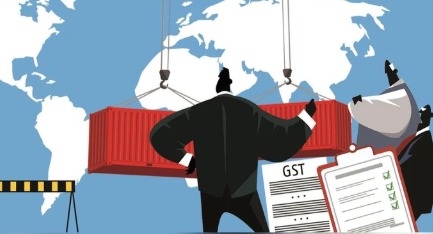
Tamil Nadu, like several other Indian states, has experienced revenue losses due to GST structure and exemptions. As the government considers GST rationalization, understanding its impact on state finances and public expenditure becomes crucial.
Reasons Behind Tamil Nadu’s GST Losses
Reduced Rates on Key Goods and Services:
GST rationalization has led to lower tax rates on essential goods, affecting state revenue.
Increased Exemptions:
Certain sectors continue to enjoy full or partial exemptions, reducing overall collections.
Compliance and Administrative Challenges:
States face complex filing processes and delays in compensation, affecting real-time revenue inflows.
Competition Among States:
Differential state-level policies may lead businesses to optimize operations in states with lower effective GST burden, impacting Tamil Nadu’s collection.
What GST Rationalization Means
Simplified Tax Structure: Harmonization of GST rates across goods and services reduces compliance issues.
Revenue Compensation: Central government often provides compensation for revenue losses during rationalization periods.
Long-term Stability: Rationalized GST can improve tax predictability and collection efficiency, benefiting state finances in the long run.
Impact on Public Spending: Reduced revenue may temporarily affect state welfare schemes and infrastructure projects if compensation is delayed.
Implications for Tamil Nadu
Short-Term Revenue Dip: Immediate GST rationalization may lead to temporary losses.
Boost in Ease of Doing Business: Simplified rates can attract investments and formalize the economy.
Potential Policy Adjustments: The state may consider supplementary taxes or incentives to maintain fiscal balance.
Better Compliance: Businesses may benefit from streamlined tax procedures, reducing litigation and enhancing transparency.
FAQs
Q1: Why is Tamil Nadu facing GST revenue losses?
A1: Lower GST rates, exemptions, and administrative delays have reduced collections, impacting state revenue.
Q2: What is GST rationalization?
A2: Rationalization involves harmonizing GST rates, reducing exemptions, and simplifying compliance, aiming for a more predictable tax system.
Q3: Will GST rationalization increase state revenue?
A3: In the short term, revenue may dip, but long-term efficiency and better compliance can stabilize or boost revenue.
Q4: How does GST loss affect public spending?
A4: Temporary dips in revenue may impact welfare schemes, infrastructure projects, and development budgets.
Q5: Can Tamil Nadu recover from these losses?
A5: Yes, with central compensation, policy adjustments, and improved compliance, the state can manage and recover revenue losses.
Published on : 17th October
Published by : SMITA
www.vizzve.com || www.vizzveservices.com
Follow us on social media: Facebook || Linkedin || Instagram
🛡 Powered by Vizzve Financial
RBI-Registered Loan Partner | 10 Lakh+ Customers | ₹600 Cr+ Disbursed
https://play.google.com/store/apps/details?id=com.vizzve_micro_seva&pcampaignid=web_share