

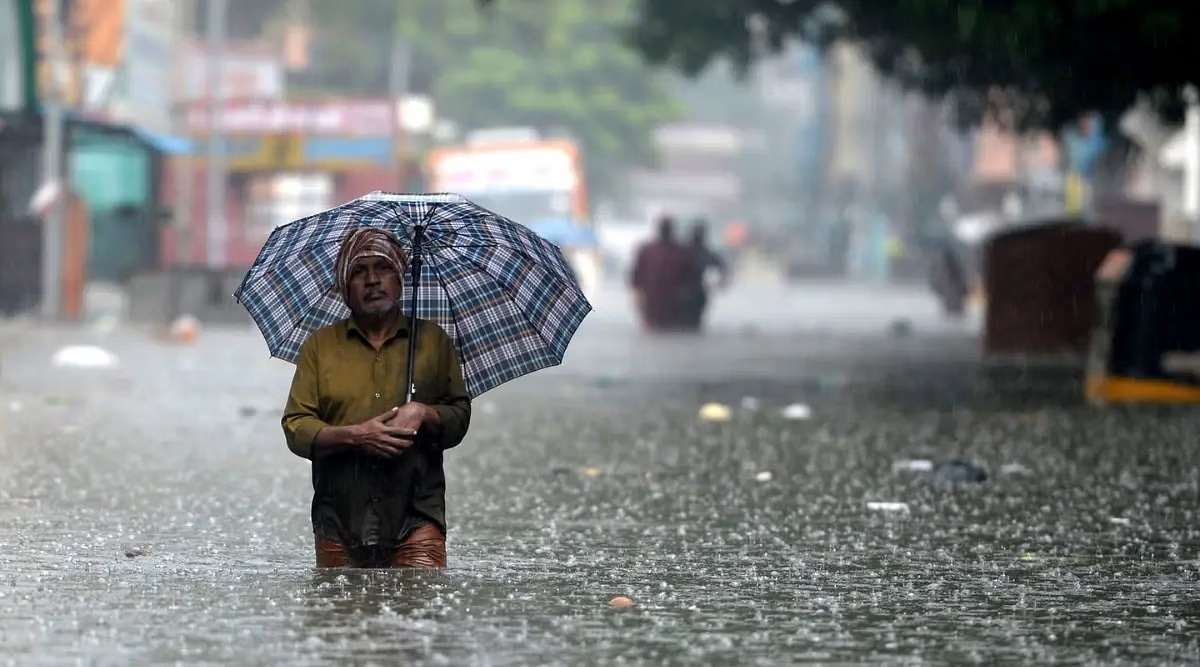
In what meteorologists call a “highly anomalous event,” Tamil Nadu witnessed above-normal rainfall in August 2025, a month when the state typically sees very little to no rain. Towns from Chennai to Tirunelveli reported rainfall ranging between 80–120 mm in just 48 hours, disrupting normal life but also raising serious climate questions.
Why August Rains Are So Rare in Tamil Nadu
Monsoon Rainfall Skips Tamil Nadu: The Southwest Monsoon (June–September) primarily benefits states on India’s western coast. Tamil Nadu usually receives less than 10% of its annual rainfall during this period.
Main Rains Come in October–December: The state depends on the Northeast Monsoon, starting in late October.
Hence, heavy August rainfall is historically rare and often linked to cyclonic disturbances or climate anomalies.
What Triggered the August 2025 Downpour?
Break in Monsoon Over North India: A monsoon trough dipped southward, shifting cloud and moisture bands toward Tamil Nadu.
Bay of Bengal Low-Pressure System: A sudden system over the Bay pushed moisture inland.
Warmer Sea Surface Temperatures: The Bay of Bengal is warmer than usual, increasing evaporation and cloud formation.
Impact on Ground and People
Flash Flooding in Urban Areas: Chennai, Madurai, and Coimbatore faced knee-deep water, traffic chaos, and power cuts.
Disruption to Agriculture: Early rains damaged pre-Northeast Monsoon preparations, especially in Delta districts.
Water Body Recharge: Positively, lakes and reservoirs like Chembarambakkam and Mettur saw modest gains.
Why This Event Signals a Larger Shift
Climate Volatility: The boundaries between India’s two monsoons are blurring, indicating rising unpredictability.
Urban Drainage Stress: Tamil Nadu cities are underprepared for off-season rainfall.
Early-Onset Monsoon Behavior? Some experts see this as a creeping shift in monsoon timelines, with rainfall windows starting to shift east and south.
What Tamil Nadu Needs to Do
Update Urban Flood Management Plans to handle off-season rain events.
Revise Agricultural Calendars with more flexible sowing strategies.
Invest in Real-Time Weather Forecasting at the taluk and village levels.
Boost Awareness Campaigns about unseasonal weather risks.
Final Word
Tamil Nadu’s August downpour is a wake-up call—a reminder that weather patterns rooted in decades of stability are now being rewritten by climate change. While the rain brought both relief and ruin, the real message lies in how prepared we are for a future where the “unexpected” becomes the new normal.
Published on : 2nd August
Published by : SMITA
www.vizzve.com || www.vizzveservices.com
Follow us on social media: Facebook || Linkedin || Instagram
🛡 Powered by Vizzve Financial
RBI-Registered Loan Partner | 10 Lakh+ Customers | ₹600 Cr+ Disbursed