

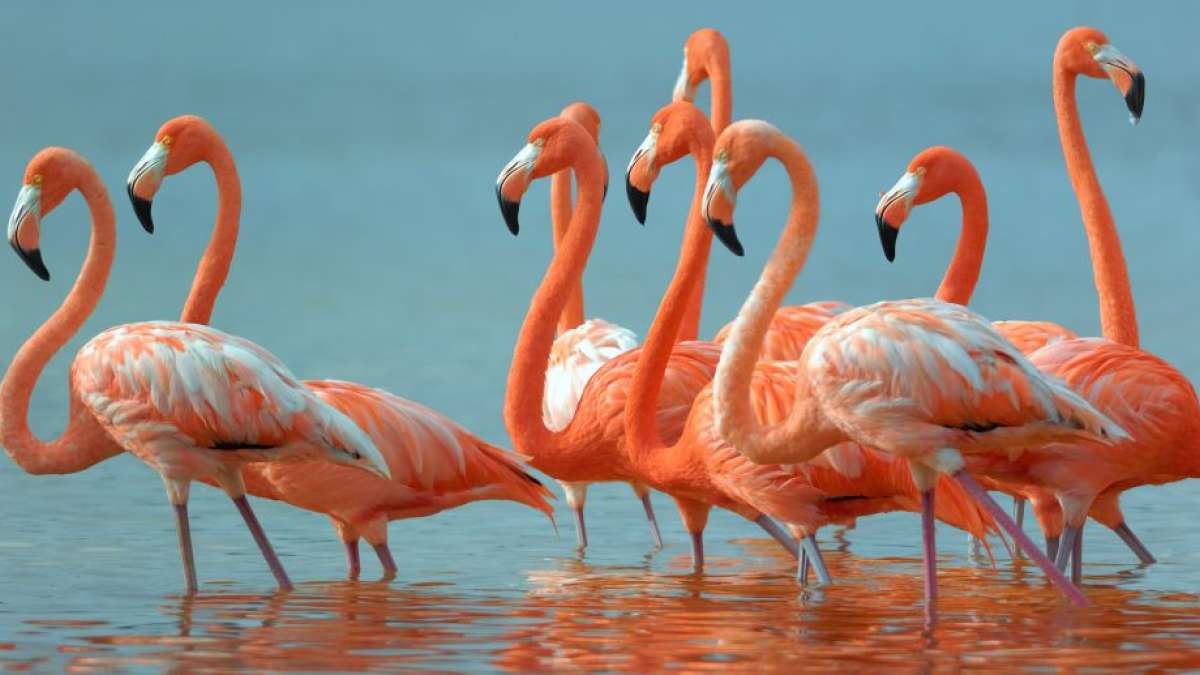
A Pink Arrival in Tamil Nadu
In a breathtaking spectacle, thousands of flamingos have flocked to Tamil Nadu’s coastal wetlands across Pulicat Lake, Ennore Creek, Point Calimere, and Vedaranyam. This annual migration, which peaks during the monsoon, is a powerful indicator of ecological health in the region.
Wildlife officials have confirmed a notable increase in flock size this year — a welcome sign for conservationists and tourism stakeholders alike.
🐦 Why Flamingos Choose Tamil Nadu
Tamil Nadu’s brackish lagoons and estuarine ecosystems offer:
Rich feeding grounds (algae, crustaceans)
Shallow waters ideal for roosting
Protected areas that ensure minimal disturbance
Flamingos, especially the Greater Flamingo, migrate from regions like Gujarat, Rajasthan, and even as far as Iran to breed and rest in Tamil Nadu’s coastal stretches.
🌱 What This Means for Conservation
The return of flamingos in such large numbers signals:
Improved wetland conservation by the Forest Department
Successful implementation of Ramsar site protections
Better control of pollution and industrial encroachment in coastal zones
This event aligns with India’s Mission LiFE (Lifestyle for Environment) and the UN Sustainable Development Goals (SDG 15 – Life on Land).
🔍 Vizzve Insight: Eco-Tourism, ESG Investing & Local Economy
Beyond birdwatching beauty, flamingo arrivals mean business:
✅ Economic Impacts
Boost in eco-tourism, especially in regions like Pulicat and Muthupet
Opportunities for community-led homestays and tour operators
Increase in handicraft and rural employment linked to nature trails
✅ Investment Outlook
Growth in nature-based tourism startups
Rising value in ESG-compliant companies and wetland conservation tech
Demand for green infrastructure projects near biodiversity hotspots
At Vizzve Finance, we recommend tracking eco-tourism stocks, ESG mutual funds, and nature-based ventures emerging from Tamil Nadu’s rising ecological narrative.
🙋 FAQs
Q1. Where are flamingos spotted in Tamil Nadu?
Mainly in Pulicat Lake, Ennore, Point Calimere, Vedaranyam, and other coastal wetlands.
Q2. Why is their arrival significant?
It reflects healthy wetland ecosystems, strong migratory patterns, and success in conservation policies.
Q3. Can tourists visit these sites?
Yes! Eco-tourism hubs like Pulicat and Muthupet are popular during the migration season.
Q4. How does this affect the economy?
It boosts tourism, supports rural livelihoods, and enhances India’s reputation in climate-resilient development.
Published on : 16th July
Published by : SMITA
www.vizzve.com || www.vizzveservices.com
Follow us on social media: Facebook || Linkedin || Instagram
🛡 Powered by Vizzve Financial
RBI-Registered Loan Partner | 10 Lakh+ Customers | ₹600 Cr+ Disbursed.