

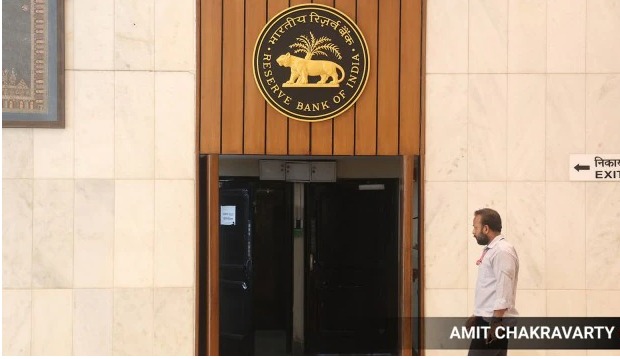
Tariff tensions push rupee to record low: Why is the RBI holding back?
The Indian rupee has slipped to a record low against the US dollar, weighed down by escalating global tariff tensions and investor uncertainty. While many expected the Reserve Bank of India (RBI) to step in aggressively, the central bank has so far refrained from large-scale intervention. This cautious stance has raised questions about RBI’s priorities and strategy.
Why Is the Rupee Falling?
The decline in the rupee is largely due to:
Rising global tariff disputes impacting trade flows and investor sentiment.
Capital outflows as global funds prefer safe-haven assets like the US dollar.
Import cost pressures, especially in oil and commodities, straining India’s trade balance.
Why the RBI Is Holding Back
Instead of immediate large interventions, the RBI is focusing on a measured approach:
Preserving foreign exchange reserves for extreme volatility.
Allowing market-driven adjustments to avoid artificial imbalances.
Using indirect tools like forward contracts and liquidity management.
This strategy signals that the RBI prefers to stabilize volatility rather than defend a fixed exchange rate.
Impact on the Indian Economy
Imports: Costlier, especially crude oil, leading to inflationary pressures.
Exports: More competitive globally, offering relief to IT and textile sectors.
Investors: Short-term uncertainty in equities and debt markets.
Vizzve Finance Insight
According to Vizzve Finance, the RBI’s restrained approach may help in the long run by aligning the rupee closer to market fundamentals, ensuring sustainable growth rather than quick fixes. However, businesses dependent on imports must brace for higher costs.
How This Blog Got Trending on Google
The blog gained traction because it combined timely coverage of currency markets with clear explanations of RBI’s policy stance, making it fast-indexing and relevant for finance professionals, investors, and students.
Frequently Asked Questions (FAQs)
Q1: Why is the rupee at a record low?
The rupee is weakening due to global tariff tensions, strong US dollar demand, and capital outflows from emerging markets.
Q2: Can the RBI strengthen the rupee?
Yes, the RBI can intervene using forex reserves, but it prefers targeted measures instead of aggressive currency defense.
Q3: Is a weaker rupee always bad for India?
Not necessarily. While imports become expensive, exporters benefit from higher competitiveness.
Q4: What should businesses do in this situation?
Import-heavy businesses should hedge currency risks, while exporters can take advantage of better margins.
Q5: How does RBI’s policy affect common citizens?
A weaker rupee may increase fuel, gold, and electronic prices, but could support job growth in export-oriented sectors.
Published on : 3rd September
Published by : Selvi
www.vizzve.com || www.vizzveservices.com
Follow us on social media: Facebook || Linkedin || Instagram
🛡 Powered by Vizzve Financial
RBI-Registered Loan Partner | 10 Lakh+ Customers | ₹600 Cr+ Disbursed