

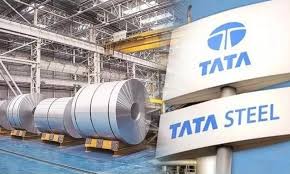
🌱 Tata Steel’s Green Push: Aims to Produce 10–15 Million Tonnes via Recycling by 2030
Tata Steel, one of India’s largest and most trusted steelmakers, is accelerating its green transformation by betting big on recycling and circular economy practices. The company aims to produce 10 to 15 million tonnes of steel through the recycling route by the year 2030, in a bid to reduce its carbon footprint and align with global sustainability targets.
🔄 The Vision: Recycling to Fuel Future Steel
The push towards sustainable steel production is part of Tata Steel’s larger decarbonization roadmap. With steel being a carbon-intensive industry, the recycling route offers a lower-emission alternative while promoting resource efficiency.
Highlights:
Target: 10–15 million tonnes of steel via recycling route by 2030
Method: Scrap-based Electric Arc Furnace (EAF) and Induction Furnace processes
Goal: Lower carbon emissions by up to 70% compared to conventional methods
“Recycling is not just an environmental initiative but a strategic step toward energy and material security,” said a Tata Steel spokesperson.
🔧 Tata Steel’s Recycling Infrastructure
To support this vision, Tata Steel is rapidly building a nationwide scrap collection and processing ecosystem:
| Facility | Location | Capacity |
|---|---|---|
| Steel Recycling Plant | Rohtak, Haryana | 0.5 MTPA |
| New Projects (Proposed) | South & East India | ~5–10 MTPA cumulatively by 2030 |
The company is also investing in technology for scrap quality management, logistics optimization, and partnerships with automotive and infrastructure sectors to streamline scrap sourcing.
🌍 Environmental & Economic Impact
Steel production through the recycling route:
Uses 75% less energy
Reduces CO₂ emissions by 50–70%
Saves natural resources like iron ore and coal
Enhances India’s circular economy goals
It also allows Tata Steel to remain competitive globally as trade policies increasingly favor low-carbon products.
📊 Industry Context
India is targeting net-zero carbon emissions by 2070, and the steel sector is a critical focus area. With increasing green mandates from international buyers and financial institutions, green steel is fast becoming a business imperative.
Tata Steel’s move aligns with global peers like ArcelorMittal and SSAB, which are also innovating in hydrogen-based and electric steelmaking.
❓ FAQs – Tata Steel’s Green Steel & Recycling Strategy
Q1. What is green steel?
Green steel refers to steel produced using low-carbon or carbon-free technologies, such as recycling scrap or using renewable energy-based processes.
Q2. How does recycling help Tata Steel’s emissions goals?
Recycling steel significantly reduces the need for primary iron ore processing, thereby slashing energy use and CO₂ emissions.
Q3. Is Tata Steel investing in Electric Arc Furnace technology?
Yes. EAFs are central to its recycling strategy, allowing cleaner and more flexible production from scrap material.
Q4. What are the environmental benefits of this move?
Besides lower emissions, it reduces mining, conserves energy, and contributes to India’s net-zero and ESG targets.
Q5. Will this impact Tata Steel’s cost structure?
In the long run, scrap-based steelmaking can offer cost stability due to lower energy and raw material dependence, despite high initial infrastructure investments.
🏁 Conclusion
Tata Steel’s ambitious green steel target is a major step toward making India a leader in sustainable manufacturing. With a focus on recycling and circular economy principles, the company is setting a benchmark for the entire steel industry, while simultaneously contributing to climate action and energy transition goals.
www.vizzve.com || www.vizzveservices.com
Follow us on social media: Facebook || Linkedin || Instagram