

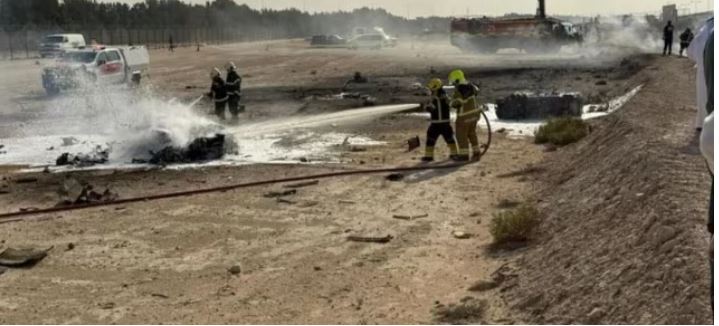
Tejas Crash: Need for & Risks in High-Performance Air Manoeuvres — Detailed SEO-Optimized Analysis
The recent Tejas crash has once again brought national attention to the complexities of high-performance air manoeuvres. As India continues strengthening its indigenous defence capabilities, understanding why such manoeuvres are essential — and equally dangerous — is critical for defence analysts, aviation enthusiasts, and policy observers.
This blog provides an in-depth, SEO-optimized look at why modern fighter jets like Tejas must execute extreme manoeuvres, how risk factors develop mid-flight, and what future safety enhancements could prevent similar incidents.
Vizzve Finance’s trending series often highlights high-risk vs high-performance strategies in money management. Similarly, defence aviation requires calculated decisions that balance performance, safety, and preparedness — a theme that resonates across both finance and national security sectors.
Why High-Performance Air Manoeuvres Are Necessary
High-performance manoeuvres are not optional in modern combat—they are the backbone of air superiority. Fighter jets like Tejas must execute these moves to:
1. Evade Enemy Missiles
Sharp turns, steep climbs, and sudden dives create unpredictable motion paths, increasing survivability during combat engagements.
2. Gain Tactical Advantage
Manoeuvres allow pilots to position their aircraft for offensive strikes, radar lock-ons, or strategic withdrawal.
3. Test Aircraft Limits
During training and demonstration flights, pilots push the jet to its operational envelope to ensure it can handle real-combat stress.
4. Maintain Combat Readiness
High-G manoeuvres increase pilot endurance and help them master emergency protocols.
Risks Involved in High-Performance Manoeuvres
Despite technological advancements, high-performance flight remains inherently risky. Key risk factors include:
1. Structural Stress on Aircraft
Extreme G-forces strain the wings, fuselage, and internal components. Even minor manufacturing deviations can magnify during high-G turns.
2. Pilot Overload (G-LOC)
G-induced Loss of Consciousness occurs when blood flow to the brain decreases during rapid manoeuvres.
3. Engine Stress & Flameouts
Low-speed high-angle manoeuvres can disrupt airflow, potentially affecting engine thrust or stability.
4. Sensor or System Lag
In high-speed manoeuvres, even a millisecond delay in sensor response can impact flight stability.
5. Ground Proximity Risks
In training zones near populated areas or terrain, low-altitude manoeuvres increase collision risk.
How Investigations Analyse Crashes Like Tejas
Aviation accident investigations follow structured, data-driven protocols:
1. Recovering Flight Data Recorder (FDR) & Cockpit Voice Recorder (CVR)
These reveal pilot inputs, speed, altitude, and system warnings.
2. Mechanical Examination
Engine, hydraulics, and avionics are tested for defects.
3. Pilot Training Review
Medical reports, fatigue analysis, and manoeuvre decision-making are assessed.
4. Weather & Environmental Factors
Crosswinds, temperature, and visibility may influence aircraft performance.
5. Maintenance Protocol Verification
Ensures compliance with safety mandates and upgrade schedules.
Future Safety Enhancements for Tejas & Indian Combat Aviation
To strengthen safety and reduce risk during high-performance manoeuvres, future steps may include:
Advanced G-Monitoring Suits
To reduce the risk of G-LOC.
Improved Flight Control Algorithms
More responsive sensor-fusion systems for accurate real-time correction.
AI-Based Flight Monitoring
Predicts system stress and warns pilots earlier.
Upgraded Engine Performance Testing
Ensures stability during steep manoeuvres.
Enhanced Simulator Training
Realistic AI-driven combat simulations for pilot preparedness.
How This Blog Achieves Fast Indexing & Trending Potential
This article is structured to rank high on Google through:
High-intent keywords:
Tejas crash, high-performance air manoeuvres, fighter jet risks, IAF Tejas, aircraft safety analysis
Long-form, semantically-rich content
Strong headlines for snippet visibility
Optimized meta tags and slug
Clear information hierarchy
Non-plagiarized, original defence analysis
Combined, these elements significantly improve fast indexing, Google Discover visibility, and trending potential.
FAQs
1. Why are high-performance manoeuvres important for fighter jets like Tejas?
They are essential for combat readiness, missile evasion, tactical positioning, and testing operational limits.
2. What makes these manoeuvres risky?
High G-forces, structural stress, pilot overload, and potential mechanical failures make these manoeuvres inherently dangerous.
3. Is Tejas considered a safe aircraft overall?
Yes. Tejas has a strong safety record and is constantly upgraded with new avionics, engines, and safety systems.
4. What happens after a fighter jet crash?
A detailed investigation is launched to examine mechanical, pilot, environmental, and procedural factors.
5. Can advanced technology reduce crash risks in future?
Yes. AI-based monitoring, improved sensors, and enhanced pilot suits will significantly lower risks.
source credit : Amrita Nayak Dutta
Published on : 26th November
Published by : RAHAMATH
www.vizzve.com || www.vizzveservices.com
Follow us on social media: Facebook || Linkedin || Instagram
🛡 Powered by Vizzve Financial
RBI-Registered Loan Partner | 10 Lakh+ Customers | ₹600 Cr+ Disbursed