

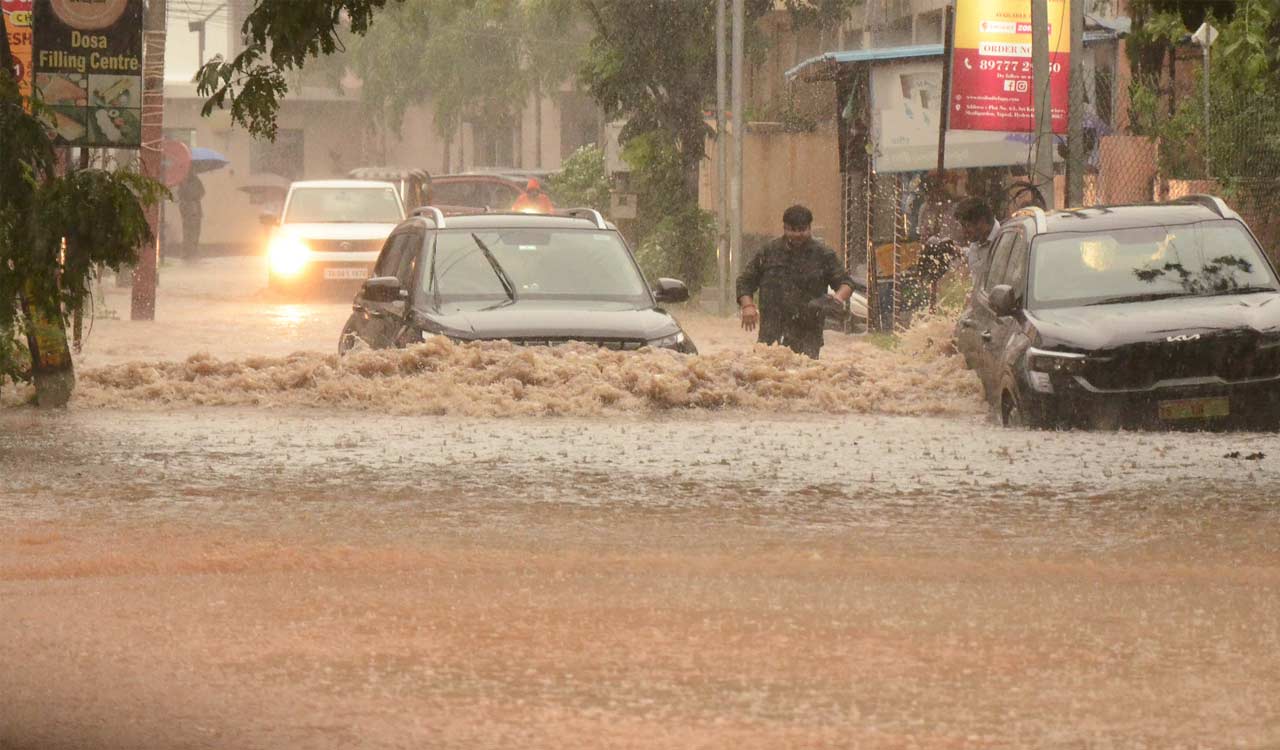
The 2025 monsoon season has brought unprecedented chaos to Telangana, as heavy rains, flash floods, and infrastructure breakdowns have disrupted normal life. From damaged roads and overflowing reservoirs to stranded communities, the state is facing a full-blown natural disaster. While monsoons are a lifeline for agriculture, this year’s relentless downpour has revealed gaps in disaster preparedness, urban planning, and climate adaptation.
This blog explores the impact of the monsoon mayhem in Telangana, the immediate rescue and relief operations, the long-term challenges, and what lies ahead for the state in terms of climate resilience and urban development.
The Scale of the Disaster
Record Rainfall: Telangana has witnessed rainfall well above seasonal averages, triggering flash floods across several districts including Hyderabad, Nizamabad, Warangal, and Karimnagar.
Urban Flooding: Hyderabad’s low-lying areas saw knee-deep to waist-deep water, causing massive traffic jams and property damage.
Agricultural Losses: Paddy, cotton, and maize fields in northern Telangana were submerged, raising concerns about food security and farmer livelihoods.
Infrastructure Collapse: Roads, bridges, and drainage systems were washed away, exposing weak urban planning and lack of drainage infrastructure.
Human & Economic Impact
Lives Disrupted: Thousands of people were displaced, with many forced into temporary shelters.
Public Health Risks: Waterlogging has increased the risk of waterborne diseases such as dengue, malaria, and cholera.
Financial Losses: Property damage, crop destruction, and loss of business operations are estimated to run into several hundred crores.
Transport Breakdown: Train services, bus operations, and flights faced delays and cancellations due to submerged tracks and roads.
Government & Disaster Management Response
Rescue Operations: The National Disaster Response Force (NDRF) and State Disaster Response Force (SDRF) were deployed to evacuate stranded families.
Relief Camps: Temporary shelters were set up with food, drinking water, and medical aid for affected citizens.
Emergency Funds: The state government announced relief packages and compensation for farmers and families who lost their homes.
Reservoir Monitoring: Water levels in major dams such as Nagarjuna Sagar and Sriram Sagar are being closely monitored to prevent overflows.
What Lies Ahead for Telangana
1. Climate Change Reality
The intensity and unpredictability of monsoons are a direct reminder of climate change. Telangana, like many Indian states, needs a long-term climate action plan to mitigate extreme weather events.
2. Urban Flood Management
Hyderabad’s urban sprawl has reduced natural drainage systems. The state must prioritize stormwater management, lake rejuvenation, and sustainable urban planning to reduce flooding risks.
3. Agricultural Adaptation
Farmers will need government support in the form of crop insurance, alternative cropping patterns, and investment in irrigation systems to adapt to erratic rainfall.
4. Disaster Preparedness
Early warning systems, community training, and better coordination between agencies can minimize loss of life and property in future disasters.
5. Economic Rehabilitation
Relief packages must extend beyond immediate cash compensation, focusing on rebuilding livelihoods, restoring businesses, and repairing infrastructure.
Conclusion
The monsoon mayhem in Telangana has been a wake-up call about the fragility of urban planning, agricultural dependency, and climate preparedness. While the rains may subside, the long-term recovery will require strategic investment in infrastructure, sustainable farming, and disaster management systems.
Telangana stands at a crucial crossroad — either continue the cycle of reactive relief after every flood, or build a resilient future that can withstand the increasing wrath of nature.
FAQs
Q1. Why is Telangana facing severe monsoon flooding in 2025?
Heavy, unseasonal rainfall combined with poor urban planning and clogged drainage systems has led to massive flooding in Telangana.
Q2. Which areas are worst affected by the floods?
Hyderabad, Warangal, Nizamabad, Karimnagar, and surrounding rural districts have been hit hardest.
Q3. What steps is the government taking for relief?
Rescue operations, relief camps, financial aid for farmers, and infrastructure repairs are underway.
Q4. How will this disaster affect agriculture?
Flooded paddy and cotton fields may lead to reduced crop yields and higher food inflation in coming months.
Q5. What can be done to prevent such disasters in the future?
Improving urban drainage, investing in sustainable farming, adopting climate-resilient infrastructure, and strengthening disaster management systems are crucial.
Published on : 18th August
Published by : SMITA
www.vizzve.com || www.vizzveservices.com
Follow us on social media: Facebook || Linkedin || Instagram
🛡 Powered by Vizzve Financial
RBI-Registered Loan Partner | 10 Lakh+ Customers | ₹600 Cr+ Disbursed