

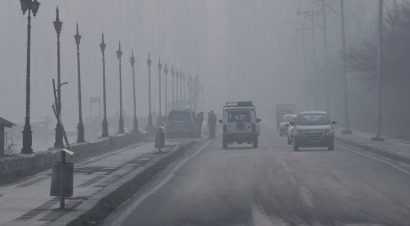
Recent temperature drops across North India have caught the attention of meteorologists and residents alike. Cities such as Delhi, Lucknow, and Jaipur have reported colder-than-usual nights for this time of year, prompting discussions about the role of climate change in altering seasonal patterns.
Experts suggest that these fluctuations are not isolated events but part of a larger trend of unpredictable weather, driven by global warming and changing environmental conditions.
Key Factors Behind Temperature Dips
Climate Change: Rising global temperatures disrupt wind patterns and monsoon cycles, indirectly affecting winter onset and intensity.
Western Disturbances: Cold waves from the northwest, combined with altered jet streams, are influencing unusual early-season cooling.
Urban Heat Island Effects: While cities generally trap heat, localized cooling events are becoming more pronounced during certain weather conditions.
Deforestation and Land Use Changes: Reduced vegetation cover contributes to more significant night-time temperature drops.
Impact on Daily Life and Agriculture
Agriculture: Early or unseasonal cold spells can damage crops like wheat and vegetables, affecting yields and farmer incomes.
Health: Sudden temperature dips increase the risk of respiratory infections, flu, and cold-related illnesses.
Energy Consumption: Cold nights lead to higher demand for heating and electricity, impacting energy planning and costs.
Water Resources: Lower temperatures can temporarily reduce evaporation rates, but long-term climate changes affect rainfall distribution.
Adapting to Seasonal Changes
Early Warning Systems: Meteorologists urge citizens and farmers to follow updated weather forecasts.
Climate-Resilient Crops: Encouraging planting crops that withstand temperature swings.
Urban Planning: Green spaces and tree cover can help moderate local temperatures.
Public Awareness: Educating communities about health precautions and energy conservation during sudden cold waves.
FAQ
Q1. Why are temperatures dipping unusually early in North India?
A: Temperature dips are influenced by western disturbances, changing wind patterns, and climate change, which disrupt traditional seasonal norms.
Q2. How is climate change affecting seasonal patterns?
A: Global warming alters rainfall cycles, wind patterns, and temperature trends, causing erratic weather, unpredictable winters, and heatwaves.
Q3. What are the risks of early cold spells?
A: Risks include crop damage, health issues like flu or respiratory infections, and increased energy demand for heating.
Q4. Can farmers adapt to these changes?
A: Yes, by planting climate-resilient crops, following weather forecasts, and adopting modern agricultural practices.
Q5. How can citizens cope with sudden cold waves?
A: Wearing appropriate clothing, maintaining health precautions, and conserving energy while staying warm can help mitigate the impact.
Published on : 25th October
Published by : SMITA
www.vizzve.com || www.vizzveservices.com
Follow us on social media: Facebook || Linkedin || Instagram
🛡 Powered by Vizzve Financial
RBI-Registered Loan Partner | 10 Lakh+ Customers | ₹600 Cr+ Disbursed
https://play.google.com/store/apps/details?id=com.vizzve_micro_seva&pcampaignid=web_share