

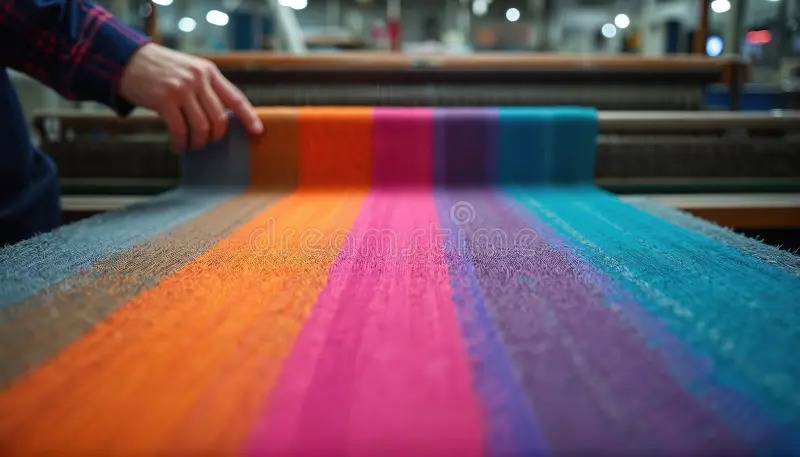
Textile Boom: India Takes the Spotlight after Bangladeshi Tariffs
The global textile stage just shifted — and India is stepping into the spotlight.
After the U.S. and EU imposed new tariffs on Bangladeshi textile exports, international buyers are turning their attention to India’s robust textile sector. The result? A golden opportunity for India’s economy, exporters, and investors.
Vizzve Finance breaks down the ripple effect and what it means for your money.
📦 What Triggered the Shift?
Bangladesh, one of the world’s top garment exporters, is facing higher tariffs due to trade compliance concerns and labor rights issues. Global retailers and importers are now diverting orders to India, where quality, production capacity, and infrastructure are improving.
🇮🇳 India’s gain is Bangladesh’s loss — and it's already showing in export numbers.
📈 India's Textile Industry: A Quick Glance
Contributes ~2.3% to India’s GDP
Employs over 45 million people
Major textile hubs: Tiruppur, Surat, Ludhiana, Panipat, Ahmedabad
Key exports: Cotton garments, readymade wear, handlooms, silk, jute, technical textiles
💸 How This Boom Affects You Financially
1. Small Business Growth
Local textile units, tailors, weavers, and suppliers could see more orders and income — especially in Tier 2 & 3 cities.
2. Export Surge = More Forex
More exports mean stronger dollar inflow, supporting the Indian Rupee — and possibly taming import costs.
3. Stock Market Opportunity
Publicly listed textile companies like Arvind, Welspun, and Vardhman could benefit. Check Vizzve's curated investor insights.
4. Job Creation
More textile orders = more factory workers, designers, logistics operators. A job boost is likely across regions.
🧵 Vizzve Finance Tip: Capitalize on the Textile Upswing
✅ Micro-Loans for MSMEs
Are you a small garment maker or fabric trader? Use Vizzve’s flexible loans to:
Buy bulk fabric before price hikes
Hire workers during demand surges
Upgrade stitching or dyeing equipment
✅ Smart Investing
Explore mutual funds or stocks linked to textile sector growth.
Need guidance? Vizzve’s investment planners can help you match goals with sectoral trends.
✅ Save with Goals in Mind
If you work in the textile belt, this boom could increase income. Start channeling the surplus into goal-based savings through Vizzve tools.
📊 India vs Bangladesh: Export Snapshot
| Country | 2023 Textile Export | Tariff Impact | 2025 Outlook |
|---|---|---|---|
| Bangladesh | $47 Billion | Tariff burden ⬆ | Orders shifting ⬇ |
| India | $38 Billion | Neutral | Orders rising ⬆⬆ |
🧶 Real-Life Example: How Rekha’s Weaving Unit Doubled Sales
Rekha, a handloom entrepreneur in Tamil Nadu, saw a 40% spike in orders this year. Thanks to a Vizzve microloan, she bought two new looms, hired staff, and met demand without delay.
"The global shift gave us a chance — and Vizzve helped us grab it." – Rekha S.
❓FAQs
Q1. Why are countries imposing tariffs on Bangladesh now?
Due to rising concerns over labor compliance and trade practices. India benefits as a stable alternative.
Q2. Will this textile boom be long-term?
If India maintains quality, compliance, and delivery timelines — yes. It’s a window to scale up.
Q3. I want to start a small textile-related business. Is now a good time?
Yes! This is a perfect time to tap into growing demand. Vizzve can help with business microloans and planning tools.
Q4. Will consumers benefit from this?
Initially, prices may rise due to demand. But local production growth can help stabilize prices later.
🏁 Final Thought: Weaving Opportunity with Confidence
India’s textile surge isn’t just a trade headline — it’s an economic momentum builder. Whether you’re a business owner, worker, investor, or saver — there’s something in this boom for you.
👉 At Vizzve Finance, we help you stitch your financial story to every rising trend. Let's grow together.
Published on : 9th July
Published by : SMITA
www.vizzve.com || www.vizzveservices.com
Follow us on social media: Facebook || Linkedin || Instagram
🛡 Powered by Vizzve Financial
RBI-Registered Loan Partner | 10 Lakh+ Customers | ₹600 Cr+ Disbursed.