

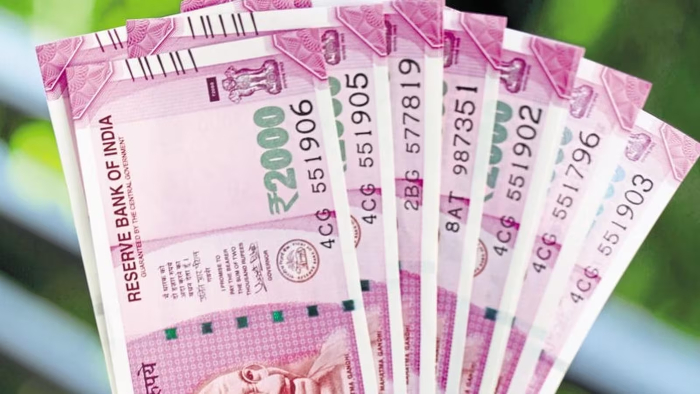
In 2023, the Reserve Bank of India (RBI) announced the withdrawal of ₹2000 currency notes from circulation — sparking long queues, confusion, and a mad dash to exchange cash. For many Indians, especially small business owners and daily cash users, it felt like déjà vu from the 2016 demonetization.
But beyond the headlines, this move taught us something deeper and more personal:
👉 How financially unprepared we still are for sudden disruptions.
That’s where the concept of an emergency fund becomes a lifesaver.
In this blog, Vizzve Finance breaks down:
🔍 What happened with the ₹2000 note
🚨 Why you need an emergency fund (especially in India)
💼 How to build one, step by step
📰 What Happened With the ₹2000 Note?
In May 2023, the RBI announced the withdrawal of ₹2000 notes, citing limited usage, hoarding, and black-money concerns. Although they remained legal tender, people were asked to deposit or exchange them by October 7, 2023.
Impact on people:
Cash-reliant individuals faced disruption.
Many rushed to banks and ATMs, only to face long queues or cash limits.
Businesses dealing with large cash transactions saw slowdowns.
This wasn't a financial emergency for the country, but for individuals who lacked flexibility, it was a personal crisis.
🧠 Lesson #1: Emergency Funds = Freedom From Panic
An emergency fund is a financial cushion — a separate savings account that holds 3 to 6 months' worth of expenses. It's not for vacations or shopping. It’s for moments like:
Sudden cash bans or demonetizations
Job loss
Medical emergencies
Natural disasters
Family emergencies
The ₹2000 note ban reminded us how quickly cash can become illiquid — and how banks and ATMs can’t always be your rescue plan.
💡 Lesson #2: Don’t Keep All Eggs in One Basket
People who kept most of their savings in ₹2000 notes suddenly found themselves stuck. Banks limited exchanges. ATMs dried up.
👉 Diversification is not just for investments — it’s for your liquidity too.
Vizzve Finance recommends:
Keep part of your emergency fund in a digital savings account.
Use tools like UPI, online wallets, or auto-sweep FDs for flexible access.
Avoid relying on only physical cash or one bank.
How to Build an Emergency Fund (Step-by-Step)
At Vizzve, we help Indians get future-ready. Here's a simple plan:
🔹 1. Calculate Your Monthly Expenses
Include rent, food, transport, EMI, insurance, etc.
Example: ₹30,000/month
🔹 2. Multiply by 3–6
You need at least 3–6 months of backup.
Target: ₹90,000 – ₹1,80,000
🔹 3. Choose the Right Account
Put the money in:
High-interest savings accounts
Liquid mutual funds (if you're comfortable)
Digital fixed deposits with instant withdrawal
🔹 4. Automate Your Savings
Use the Vizzve Auto-Save Tool to send ₹1,000–₹5,000 monthly into your fund.
🔹 5. Don’t Touch It
This is not an investment. It’s insurance for life. Access it only during real emergencies.
Real Life Scenario: Neha vs. Rahul
| Situation | Neha (Had Emergency Fund) | Rahul (No Fund) |
|---|---|---|
| ₹2000 Note Ban | Calmly deposited money, used digital savings | Panicked, stood in long queues |
| Medical Emergency | Paid instantly using Vizzve wallet | Took high-interest loan from friend |
| Job Loss | Survived 3 months without borrowing | Used credit card, fell into debt |
✅ Be like Neha. Vizzve can help.
🧰 Tools You Can Use With Vizzve
Vizzve Emergency Fund Calculator
Monthly Auto-Save Feature
Goal Tracker for Financial Stability
Instant Liquid Investment Options
🧾 Final Thoughts: Prepare Now, Thank Yourself Later
If a ₹2000 note can vanish overnight, so can your access to cash.
🎯 The goal isn’t to predict policy — it’s to prepare for the unpredictable.
With Vizzve Finance, you can:
Build your emergency fund with ease
Get smart with savings
Gain peace of mind for whatever tomorrow holds
❓ FAQs
Q1: How much money should I keep in an emergency fund?
Ideally 3–6 months of your essential expenses.
Q2: Should I keep my emergency fund in cash or bank?
Keep a small portion in cash (₹5,000–₹10,000), but the majority in a high-liquidity savings account or digital FD.
Q3: Can I invest my emergency fund in mutual funds or stocks?
Avoid high-risk options. Use only liquid mutual funds or digital savings tools.
Q4: How is Vizzve helpful in creating an emergency fund?
Vizzve offers tools like auto-savings, goal-based fund tracking, and emergency calculators.
Q5: What if I already have debts? Should I still build a fund?
Yes — even ₹500/month can be a start. Build your emergency fund while managing debt.
📲 Ready to Build Your Safety Net?
Start your emergency fund journey today with Vizzve Finance. Because financial peace isn’t a luxury — it’s a necessity.
👉 Visit vizzve.com to create your first emergency fund plan in under 5 minutes!
Published on : 18th July
Published by : SMITA
www.vizzve.com || www.vizzveservices.com
Follow us on social media: Facebook || Linkedin || Instagram
🛡 Powered by Vizzve Financial
RBI-Registered Loan Partner | 10 Lakh+ Customers | ₹600 Cr+ Disbursed.