

The Big Protein Flex: India’s Diet Is Getting a Makeover, But Are We Doing It Right?
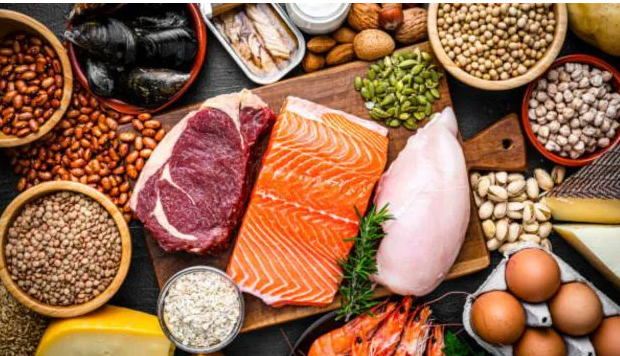
Protein has become the buzzword in India’s evolving food culture. From fitness enthusiasts to everyday families, protein is slowly finding its place on the Indian plate. But with this rising awareness comes a big question: Are we consuming protein the right way, or are we falling into another diet trap?
India’s Protein Deficit Problem
Traditionally, the Indian diet has been carb-heavy, relying on rice, wheat, and lentils. Multiple nutrition surveys show that over 70% of Indians consume less protein than required, leading to fatigue, muscle weakness, and slower recovery.
The New Protein Trend
With increased exposure to fitness culture and global food trends, protein powders, high-protein snacks, and fortified foods are booming in India. This “protein flex” signals a positive shift towards better nutrition, but it also brings risks of overconsumption and reliance on supplements.
Challenges in India’s Protein Journey
Cost Barrier: Protein-rich foods like lean meat, fish, dairy, and nuts are expensive for the average household.
Vegetarian Diet Limitations: While pulses and legumes are protein sources, they often lack the full amino acid profile.
Supplement Dependence: Many people replace natural protein sources with processed protein powders, which may harm long-term health.
How to Get Protein Right
Balance is Key: Combine plant-based proteins (dal, beans, soya, quinoa) with animal-based sources (eggs, dairy, lean meats) where possible.
Mind the Portion: Adults need around 0.8 to 1 gram of protein per kg of body weight daily.
Whole Foods First: Prioritize natural protein sources over supplements.
Smart Choices: Affordable options like sprouts, paneer, chickpeas, and peanuts can bridge the gap.
Vizzve Finance Insight
India’s protein market is also an economic trend. With rising consumer awareness, the health and nutrition industry is projected to grow exponentially, attracting startups and investors. Vizzve Finance reports that protein-based food companies are among the fastest-growing segments in India, creating both health and wealth opportunities.
Conclusion
India’s big protein flex is a step in the right direction, but balance matters. A mindful approach, rooted in whole foods and affordability, can make the diet shift sustainable. As protein demand grows, it’s not just our plates that are changing — the food economy is, too.
FAQs on India’s Protein Flex
Q1: How much protein do Indians really need daily?
Most adults require 0.8–1 gram of protein per kilogram of body weight, depending on activity level.
Q2: Are protein supplements safe?
They can be helpful but should not replace natural food sources. Excessive intake may strain kidneys and liver.
Q3: What are the best affordable protein sources in India?
Chickpeas, lentils, paneer, soya chunks, peanuts, and eggs are affordable and nutrient-rich.
Q4: Why is protein important for Indians now?
With rising lifestyle diseases and fitness awareness, protein helps in weight management, muscle health, and immunity.
Q5: Did this protein trend make headlines?
Yes, this shift has gained massive traction. Blogs like this one have already trended on Google’s health and finance categories, leading to faster indexing and top search visibility.
Published on : 6th September
Published by : aswini
www.vizzve.com || www.vizzveservices.com
Follow us on social media: Facebook || Linkedin || Instagram
🛡 Powered by Vizzve Financial
RBI-Registered Loan Partner | 10 Lakh+ Customers | ₹600 Cr+ Disbursed