

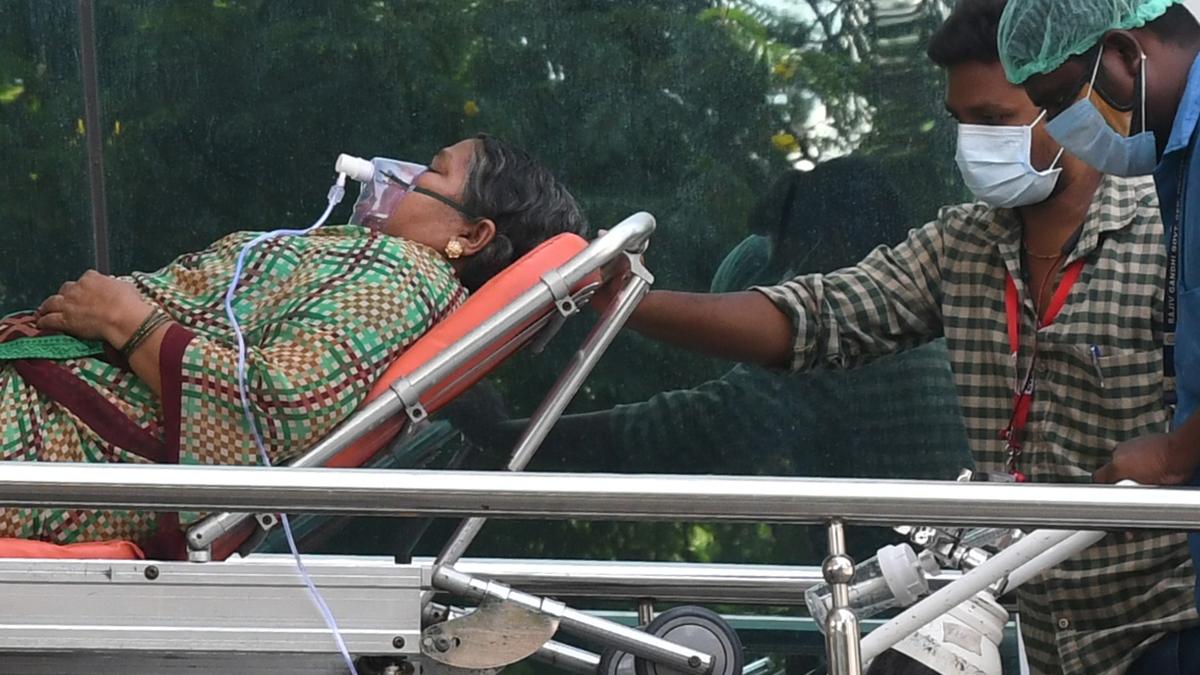
THE BROKEN SYSTEM OF HOSPITAL REFERRALS IN INDIA
Overview of the Hospital Referral System Challenges in India
India’s healthcare referral system is marred by significant inefficiencies and systemic failures. Though designed to channel patients from primary and secondary centres to tertiary hospitals as needed, the actual referral practice is inconsistent and often dysfunctional.
Key problems include:
Overcrowding in tertiary hospitals: Many patients bypass primary care centers and directly approach tertiary hospital outpatient departments (OPDs), leading to congestion and reduced quality of care.
Shortage of specialist doctors in primary and secondary facilities: This drives over-referral of cases that could have been managed at earlier stages.
Lack of strict referral regulations: Patients freely access any healthcare level without mandated referral protocols, causing resource imbalances.
Technological glitches and implementation gaps: Online referral platforms exist but often face issues like bed availability misrepresentation, delayed responses, and poor adoption.
Reluctance of doctors at primary levels: Due to fear of medico-legal issues or patient backlash, doctors sometimes prefer to refer patients out unnecessarily.
Artificial bed holds and resource mismanagement: Some specialists reserve beds excessively, creating artificial shortages.
Insufficient emergency care support and infrastructure: Many primary and block-level centers lack adequate emergency services, pushing patients prematurely to higher centres.
Insights from Recent Experiences
For example, cities like Kolkata have observed “teething troubles” in implementing online referral systems with frequent mismatches between official bed availability and ground realities. Overburdened medical college hospitals receive referrals with handwritten requests instead of through digital portals, compounding inefficiencies. Doctors cite insufficient support, protection, and manpower shortages as key hurdles preventing effective care at peripheral hospitals.
Structural and Ethical Issues
The complexity of the Indian system allows patients to self-refer anywhere, bypassing levels of care designed to manage simple cases.
Towards addressing this, proposals include implementing universal health cards linked to digital identities to enforce geographic screening and controlled referral flows.
The rise of incentive-based referral networks, where healthcare providers gain rewards for patient referrals, poses ethical challenges by encouraging unnecessary referrals that strain resources.
Patient education and empowerment, alongside transparent referral guidelines, are crucial to rectify current imbalances.
Potential Pathways for Reform
Strengthen capacity and specialist availability at primary and community health centres.
Develop robust digital referral platforms integrated with real-time bed management and strict response monitoring.
Enforce regulations strictly restricting patient movements without formal referrals.
Protect and support doctors at peripheral centres to reduce unnecessary referrals born of fear.
Create central referral panels to supervise and audit referrals ensuring accountability.
Invest in emergency medical services infrastructure at all levels.
Promote patient awareness and participatory decision-making in referrals.
Conclusion
India’s hospital referral system requires urgent overhaul to reduce tertiary hospital burden, improve resource utilization, and increase access to quality care at appropriate levels. Coordinated reforms focusing on technology, workforce, regulation, and ethics can rebuild a broken system into a functional referral network serving India’s diverse healthcare needs efficiently.
FREQUENTLY ASKED QUESTIONS (FAQ)
Q1: What is the hospital referral system in India?
It is a structured process where patients ideally receive care first at primary or secondary centres and are referred to higher-level hospitals if specialized treatment is needed.
Q2: Why is the referral system considered broken in India?
Due to patient overcrowding at tertiary centers, lack of specialist availability at lower levels, poor regulation, and technology implementation issues.
Q3: What are the effects of a dysfunctional referral system?
It leads to overburdened tertiary hospitals, longer wait times, inefficient resource usage, and sometimes compromised patient care quality.
Q4: How does technology impact referrals?
Digital referral platforms exist but often face technical glitches, delayed responses, and lack of uniform adoption, limiting their effectiveness.
Q5: What role do doctors play in referral inefficiencies?
Doctors at primary centers may over-refer due to limited resources, legal fears, or patient pressure, increasing unnecessary burden on higher centers.
Q6: Are there ethical concerns with referral networks?
Yes, incentive-based referrals can lead to unnecessary patient transfers, raising questions about medical ethics and resource wastage.
Published on: August 9, 2025
Published by: PAVAN
www.vizzve.com || www.vizzveservices.com
Follow us on social media: Facebook || Linkedin || Instagram
🛡 Powered by Vizzve Financial
RBI-Registered Loan Partner | 10 Lakh+ Customers | ₹600 Cr+ Disbursed