

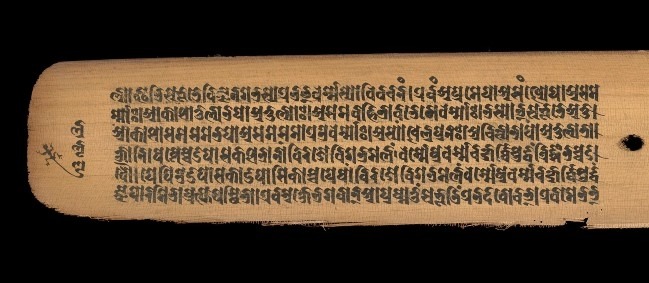
India’s linguistic and literary heritage spans millennia, reflecting its diverse culture, philosophy, and history. From ancient Sanskrit scriptures and classical poetry to vibrant regional languages and contemporary literature, the evolution of Indian languages and literature showcases a rich tapestry of thought, creativity, and expression.
1. Ancient Indian Languages and Literature
Sanskrit: Considered the mother of Indian literature, used in Vedas, Upanishads, epics like Mahabharata and Ramayana, and classical poetry.
Pali & Prakrit: Used in Buddhist and Jain texts, making literature accessible to common people.
Tamil: One of the world’s oldest living languages, with classical works like the Sangam literature, rich in poetry, ethics, and philosophy.
2. Medieval Period and Regional Languages
Growth of regional languages such as Hindi, Bengali, Marathi, Kannada, Telugu, and Odia.
Bhakti and Sufi literature: Poetry by saints like Kabir, Tulsidas, Mirabai, and Amir Khusro promoted devotion and social reform.
Court Literature: Patronage from kings led to flourishing of literary works in regional languages and Persian.
3. Colonial Era and Modern Literature
Introduction of English education influenced literary styles and themes.
Indian writers began merging traditional and modern forms, producing novels, essays, and plays.
Prominent writers include Rabindranath Tagore (Bengali), R.K. Narayan (English), Premchand (Hindi), and Bankim Chandra Chattopadhyay.
4. Contemporary Indian Literature
Multilingual literary scene with works in English, Hindi, regional languages, and translations.
Modern themes explore social issues, gender, identity, politics, and global perspectives.
Indian literature continues to win international recognition, reflecting the country’s evolving narrative voice.
5. Cultural and Social Significance
Literature preserves history, philosophy, and values across generations.
Languages act as cultural identity markers, promoting regional pride and diversity.
Indian literature fosters dialogue, education, and empathy, bridging communities across time and space.
Conclusion:
The evolution of Indian languages and literature is a testament to the country’s intellectual richness and cultural diversity. From ancient Sanskrit scriptures to modern multilingual novels, Indian literature continues to inspire, educate, and unite people, reflecting the dynamic journey of language and thought through centuries.
FAQ :
Q1: What is the oldest language in India?
Sanskrit is considered one of the oldest languages, with literary works dating back over 3,000 years.
Q2: Which Indian literature is considered classical?
Classical literature includes Sanskrit texts, Tamil Sangam literature, and Pali/Prakrit works.
Q3: How did regional languages evolve in India?
Regional languages developed from local dialects, cultural influences, and patronage of kings and saints during the medieval period.
Q4: Who are some notable modern Indian writers?
Rabindranath Tagore, R.K. Narayan, Premchand, and Bankim Chandra Chattopadhyay are prominent figures.
Q5: Why is Indian literature important today?
It preserves cultural heritage, promotes education, encourages critical thinking, and reflects societal evolution.
Published on : 3rd September
Published by : SMITA
www.vizzve.com || www.vizzveservices.com
Follow us on social media: Facebook || Linkedin || Instagram
🛡 Powered by Vizzve Financial
RBI-Registered Loan Partner | 10 Lakh+ Customers | ₹600 Cr+ Disbursed
https://play.google.com/store/apps/details?id=com.vizzve_micro_seva&pcampaignid=web_share