

Introduction
The Chola Dynasty, one of the longest-ruling dynasties in South India, was not just known for its military prowess or temple architecture — it was equally revered for its flourishing art and robust administrative framework. From the exquisite bronze sculptures to well-organized village councils, the Cholas demonstrated a fine balance of aesthetics and governance.
🎨 Chola Art: Aesthetic Brilliance that Transcends Time
1. Bronze Sculpture Tradition
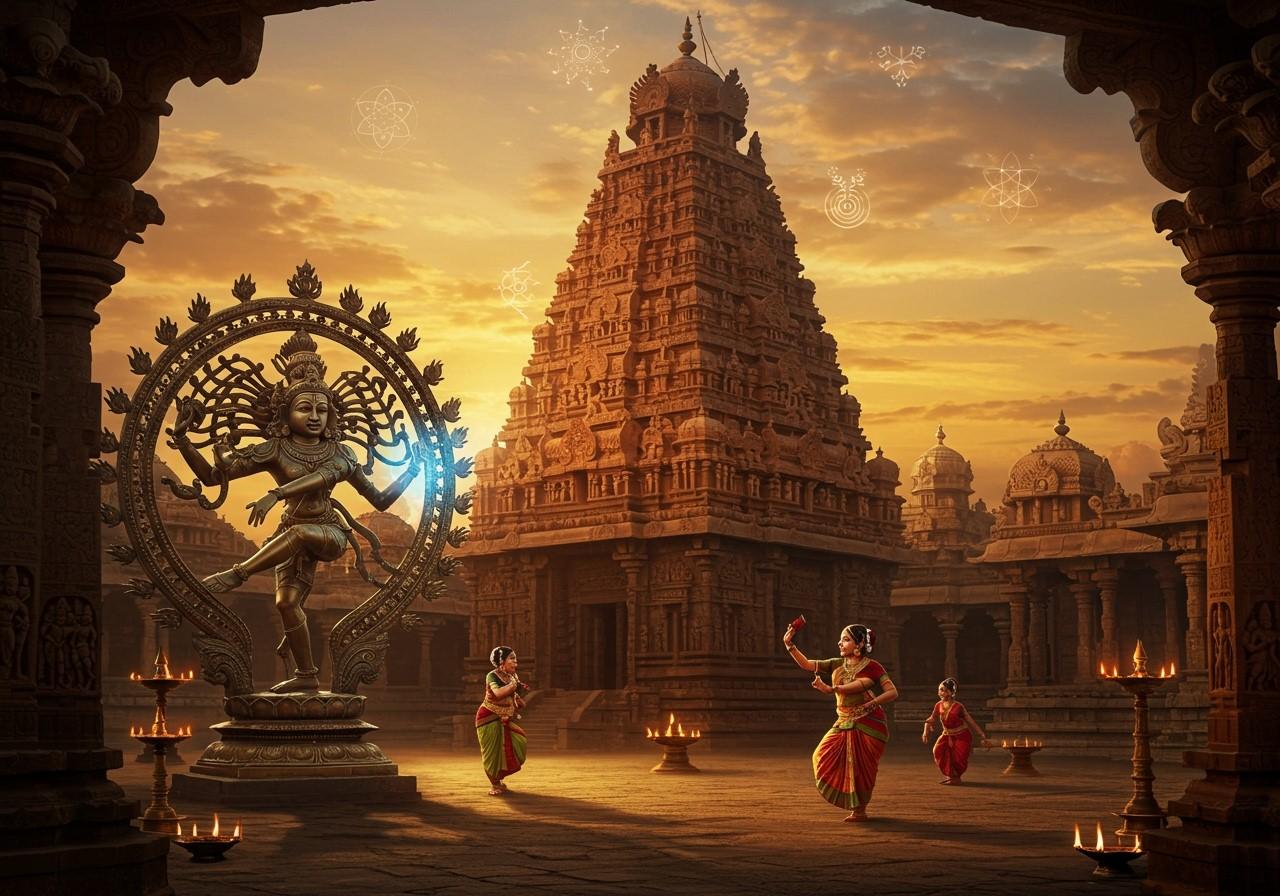
The Cholas are credited with elevating bronze casting to divine levels. The iconic Nataraja (Shiva as Lord of the Dance) statue exemplifies this legacy. These statues were created using the lost-wax casting technique and are renowned for their grace, fluidity, and spiritual symbolism.
2. Temple Murals and Carvings
Chola temples like Brihadeeswarar Temple in Thanjavur feature intricate frescoes and stone carvings depicting mythological stories and everyday life. These artworks served not only as decoration but also as tools for storytelling and education.
3. Patronage of Literature and Music
The Cholas were enthusiastic patrons of Tamil literature, Bhakti poetry, and Carnatic music. Courts thrived with poets, musicians, and scholars, enriching the cultural landscape of the time.
🏛️ Chola Administration: Structured, Inclusive, and Efficient
1. Centralized Monarchy with Local Governance
While the king had supreme authority, local governance played a crucial role. The village sabhas (assemblies) operated with remarkable autonomy, managing land, taxes, and infrastructure.
2. Land Revenue System
The Cholas developed a meticulous land revenue system, with records inscribed on temple walls and copper plates. Taxes were based on soil quality, irrigation, and yield — showcasing their attention to economic detail.
3. Military and Naval Organization
A strong bureaucracy oversaw the military, which was well-organized into infantry, cavalry, elephant corps, and naval fleets. Naval strength, especially under Rajendra Chola, enabled overseas conquests and secured trade routes.
4. Role of Temples in Governance
Temples were not only religious centers but also economic and administrative hubs, employing artisans, dancers, and priests. Temples managed vast lands, functioned like banks, and supported public works like water tanks and roads.
🧭 Legacy and Impact
The Chola model of administration deeply influenced later South Indian kingdoms and still resonates in local governance systems. Their art, especially bronze work and temple architecture, remains a source of national pride and global admiration.
❓ FAQs
Q1. What is Chola art most famous for?
Chola art is best known for its bronze sculptures, especially the Nataraja, which represent technical skill and spiritual depth.
Q2. How was Chola administration structured?
It combined a central monarchy with local self-governance through village assemblies or sabhas that handled local affairs autonomously.
Q3. What role did temples play in Chola administration?
Temples acted as centers of economy, culture, and administration, playing a vital part in land management, tax collection, and employment.
Q4. How did Cholas maintain efficient governance?
Through a well-documented bureaucracy, meticulous land revenue records, and a tiered military structure with naval strength for overseas control.
Q5. Why is Chola art still significant today?
Chola art influenced not only Indian aesthetics but also global museum collections, representing one of the finest traditions in sacred art.
Publisher : Kaushik
www.vizzve.com || www.vizzveservices.com
Follow us on social media: Facebook || Linkedin || Instagram