

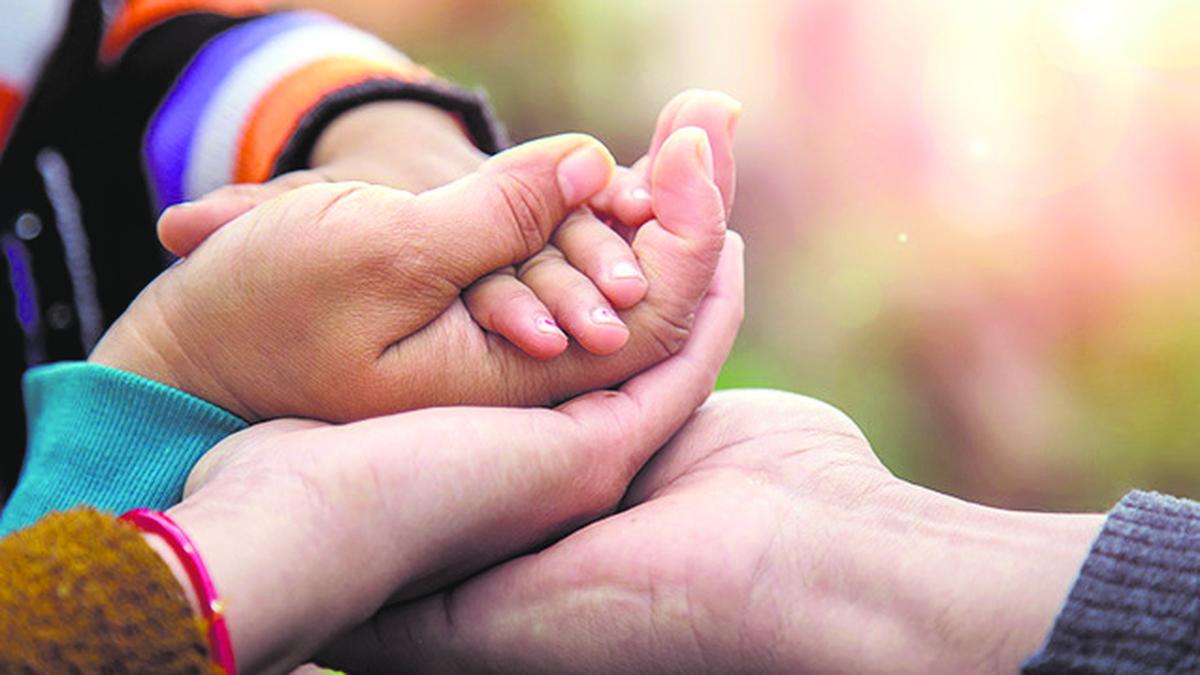
The Golden Window: How the First 1,000 Days Shape Young Minds
The first 1,000 days of a child’s life—from conception to their second birthday—represent an extraordinary period of growth and development. Neuroscientific and nutritional research shows this is when the brain forms most of its connections, making it a "golden window" for ensuring a child’s long-term physical, cognitive, and emotional health.
Why Are the First 1,000 Days So Important?
Rapid Brain Growth: During this time, a baby’s brain develops at a staggering pace, forming up to 1,000 new neural connections per second. These early connections lay the groundwork for future learning, memory, and emotional regulation.
Nutrition’s Critical Role: Proper maternal nutrition in pregnancy and breastfeeding, along with adequate complementary feeding after birth, are vital for healthy brain and body development.
Healthy Environment: A safe, nurturing environment with responsive caregiving helps a child build social and emotional skills critical for lifelong success.
Consequences of Missed Opportunities
Inadequate nutrition and care during this period can cause irreparable harm, including stunted growth, impaired cognition, weakened immunity, and increased risk of chronic disease later in life.
Early adversity—such as poverty, stress, or neglect—can disrupt development and lead to long-term behavioral and health problems.
How to Support Optimal Development in the First 1,000 Days
Maternal Health: Good prenatal care, balanced diet rich in vitamins and minerals, and minimizing stress.
Breastfeeding: Exclusive breastfeeding for six months, continued breastfeeding up to two years alongside complementary foods.
Complementary Feeding: Introduction of nutrient-dense, diverse solid foods after six months ensures adequate growth.
Responsive Caregiving: Interactions that promote bonding, communication, and emotional security.
Safe Environment: Protection from toxins, violence, and infections to provide security and promote well-being.
The Broader Impact
Investing in these first 1,000 days benefits not only individuals but also communities and nations by boosting educational outcomes, economic productivity, and reducing healthcare costs.
Frequently Asked Questions (FAQ) About the First 1,000 Days
Q1: What exactly are the first 1,000 days?
The period from conception through pregnancy to the child’s second birthday (around two years old).
Q2: Why is nutrition so important during this time?
Because the brain and body rapidly grow and develop; proper nutrients support healthy formation and reduce long-term disease risk.
Q3: What role does caregiving play?
Responsive, nurturing caregiving shapes emotional and social development and supports healthy brain connections.
Q4: What can happen if these days are missed?
The child may face stunted growth, cognitive delays, vulnerability to illness, and lifelong impacts on health and learning.
Q5: Can deficits from this period be reversed later in life?
Some effects can be mitigated with interventions, but many developmental impacts are irreversible—early intervention is critical.
Published on: August 4, 2025
Published by: PAVAN
www.vizzve.com || www.vizzveservices.com
Follow us on social media: Facebook || Linkedin || Instagram
🛡 Powered by Vizzve Financial
RBI-Registered Loan Partner | 10 Lakh+ Customers | ₹600 Cr+ Disbursed