

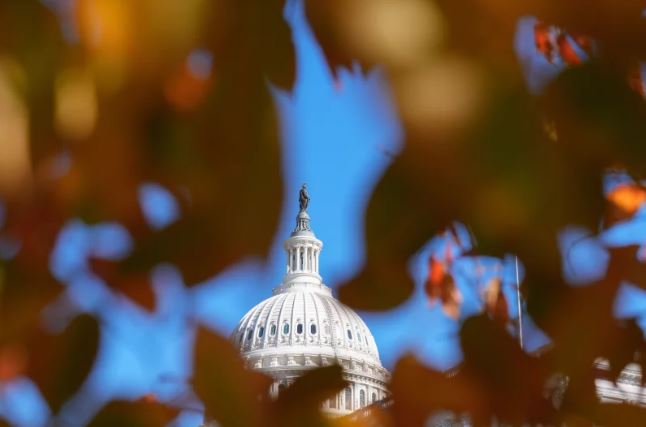
The Government Shutdown Is Now the Longest in U.S. History – See How It Compares
The United States has officially entered the longest government shutdown in its history, surpassing the previous record from 2018-2019. As the deadlock between Congress and the administration continues, millions of federal employees remain without pay, and several key public services are halted.
How It Started
The shutdown began after Congress and the White House failed to reach an agreement over the federal budget allocation, leading to a lapse in government funding. The disagreement—centered around policy priorities and budget cuts—quickly escalated, affecting multiple government departments.
Timeline of Major U.S. Government Shutdowns
| Year | Duration | President | Cause |
|---|---|---|---|
| 1980 | 18 days | Jimmy Carter | Funding for abortion services |
| 1995-96 | 21 days | Bill Clinton | Medicare, education funding |
| 2013 | 16 days | Barack Obama | Affordable Care Act (Obamacare) |
| 2018-19 | 35 days | Donald Trump | Border wall funding |
| 2025 (Current) | 40+ days | Current Administration | Budget ceiling and spending priorities |
The 2025 shutdown has surpassed the 35-day record of 2019, making it the longest in U.S. history.
Economic Impact: What It Means for Americans
According to Vizzve Finance analysis, the shutdown’s financial impact extends far beyond unpaid government employees:
Federal workers are missing paychecks, forcing many to dip into savings or take personal loans.
Small businesses dependent on federal contracts are experiencing revenue loss.
Markets show instability, with investor confidence dipping amid uncertainty.
Economic growth projections for Q4 and Q1 have been revised downward by financial analysts.
A prolonged shutdown could shave 0.2–0.3% off GDP if it extends further into the fiscal quarter.
Comparison with Past Shutdowns
The 2018-19 shutdown caused a temporary loss of $11 billion in GDP, according to the Congressional Budget Office (CBO). The current 2025 shutdown, now the longest, may surpass that figure, with potential economic damage estimated between $12–15 billion if it continues beyond November.
This makes the current impasse not only a political crisis but also a significant economic strain, echoing concerns from economists and Wall Street observers alike.
Conclusion
The current U.S. government shutdown isn’t just a record-breaking political standoff—it’s a critical moment in economic history. As negotiations continue, the financial burden on citizens, businesses, and the broader economy will only deepen, making resolution urgent.
FAQs
1. What is a government shutdown?
A government shutdown occurs when Congress fails to pass sufficient funding legislation for federal agencies and departments, leading to a partial or full suspension of operations.
2. How long is the current U.S. government shutdown?
As of now, the 2025 shutdown has lasted over 40 days, making it the longest in U.S. history.
3. Who is most affected by the shutdown?
Federal employees, contractors, small businesses linked to government services, and citizens relying on federal assistance programs are the most affected.
4. What are the financial effects of the shutdown?
The shutdown disrupts wages, slows GDP growth, and impacts consumer spending and business confidence.
5. How does the shutdown compare to the 2018-19 one?
The 2025 shutdown has surpassed the 35-day mark of the 2018-19 shutdown, with greater economic and social impact projected.
Published on : 5th November
Published by : RAHAMATH
www.vizzve.com || www.vizzveservices.com
Follow us on social media: Facebook || Linkedin || Instagram
🛡 Powered by Vizzve Financial
RBI-Registered Loan Partner | 10 Lakh+ Customers | ₹600 Cr+ Disbursed