

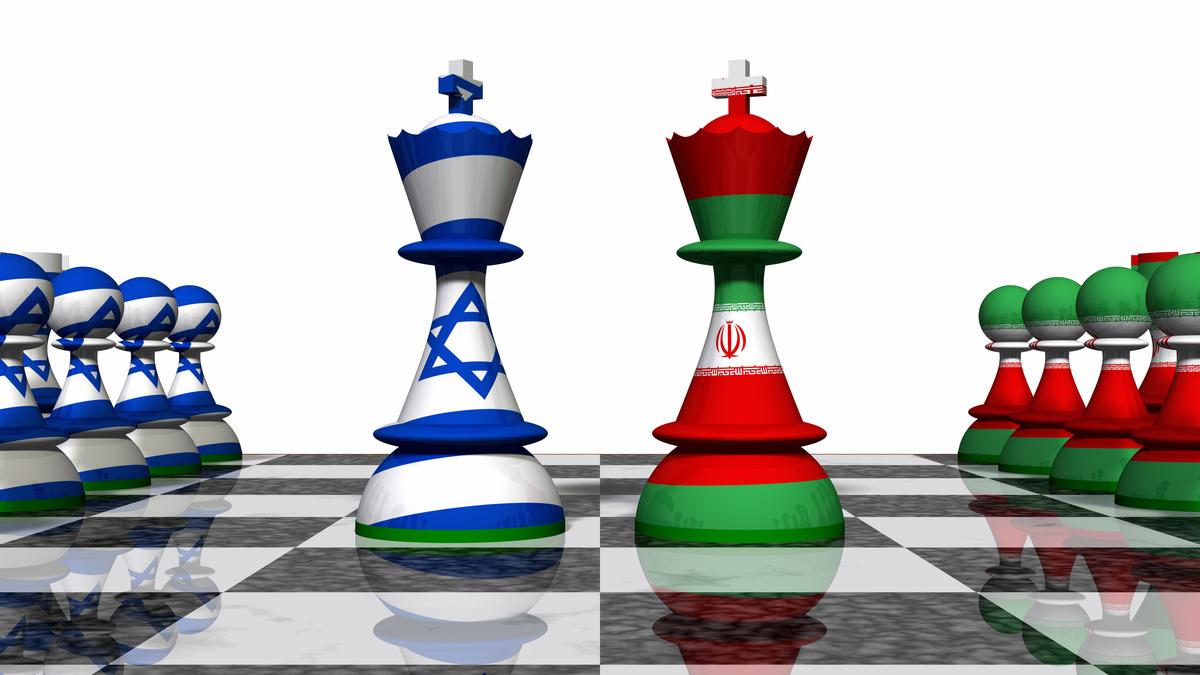
The Israel-Iran Ceasefire — Managing the Blowback
The recent ceasefire agreement between Israel and Iran marks a critical turning point in their long-standing conflict. While the ceasefire offers a temporary halt to direct hostilities, the aftermath presents complex challenges that both countries and the broader Middle East must navigate carefully.
The blowback includes regional shifts in alliances, increased influence of proxy groups, and heightened tensions among neighboring states. Both Israel and Iran face domestic pressures and international scrutiny as they attempt to consolidate gains without escalating further conflict.
Managing this blowback requires diplomatic engagement, intelligence coordination, and cautious military strategy to prevent flare-ups. The ceasefire could be a stepping stone toward longer-term stability if handled prudently by all involved parties.
Frequently Asked Questions (FAQs)
Q1: What triggered the Israel-Iran ceasefire?
Ongoing conflict and mutual exhaustion led to negotiations for a temporary halt in hostilities.
Q2: What are the main challenges following the ceasefire?
Managing proxy conflicts, regional alliances, and internal political pressures in both countries.
Q3: How does the ceasefire affect the Middle East region?
It shifts regional power dynamics and requires neighboring countries to adjust their diplomatic strategies.
Q4: Is the ceasefire likely to be permanent?
The ceasefire is a temporary measure; long-term peace depends on further negotiations and trust-building.
Q5: What role can international actors play?
They can facilitate dialogue, monitor ceasefire compliance, and support conflict resolution efforts.
Published on: June 28 2025
Uploaded by: PAVAN
www.vizzve.com || www.vizzveservices.com
Follow us on social media: Facebook || Linkedin || Instagram
🛡 Powered by Vizzve Financial
RBI-Registered Loan Partner | 10 Lakh+ Customers | ₹600 Cr+ Disbursed