

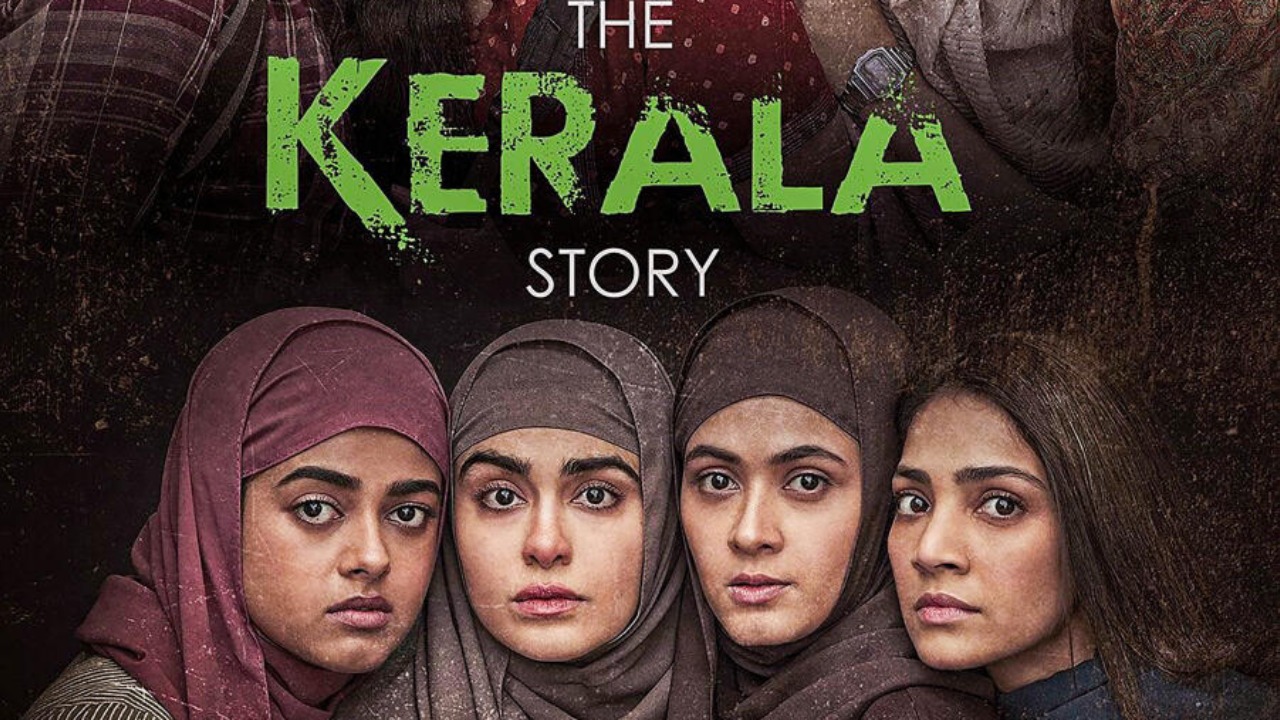
When the trailer of The Kerala Story released, it shocked audiences by claiming it was based on the “true stories of 32,000 Hindu and Christian girls” who were allegedly converted and recruited by ISIS.
Marketed as a real, political exposé, it triggered:
Fierce political debates
Social media outrage
Calls for a ban or censorship
But over time, the film’s tone and messaging shifted. Here's how and why that happened.
The “32,000” Controversy: Where Did the Number Come From?
The number 32,000 was central to the trailer’s initial impact. However:
No official data from the Kerala government or central intelligence agencies confirmed such figures.
Multiple RTIs filed yielded zero evidence to back the number.
Critics and fact-checkers pointed out the lack of credible sources.
Faced with mounting legal and public pressure, the makers of the film removed the number from trailers and distanced the story from real-life claims.
Legal and Political Pushback
The film faced serious questions:
Petitions in the Supreme Court and High Courts challenged its factual basis.
Politicians from Kerala called it a propaganda film, damaging the state’s image.
Film certification bodies demanded revisions to claims of "truth."
Eventually, even in its final cut, the film softened its tone, calling itself a “fictionalized account inspired by true events” rather than a documentary-style exposé.
From Fact to Fiction: A Marketing Pivot
Once the backlash became intense, the filmmakers subtly changed the narrative:
Tagline revised from “true story of 32,000 women” to “inspired by true events.”
Interviews with cast and crew began emphasizing the "emotional truth" rather than literal numbers.
The movie’s focus turned more toward individual stories, detaching from mass claims.
Despite this, the controversy itself fueled box office success, turning The Kerala Story into one of the most talked-about and commercially successful films of 2023.
Public Reaction: Divided and Intense
| Group | Reaction Summary |
|---|---|
| Supporters | Claimed the film “exposed hidden truths” |
| Critics | Labeled it Islamophobic propaganda |
| Neutral Viewers | Called it emotionally compelling but factually unclear |
| Political Circles | Turned it into a battleground between ideologies |
What The Film Industry Learned
Marketing Claims Matter: Overhyped “true story” tags can backfire.
Sensationalism Sells, But Risks Reputation
Storytelling vs. Propaganda Debate is now more heated than ever.
❓ FAQs
Q1: Is The Kerala Story based on real events?
It is inspired by some real individual cases, but the film's sweeping claim of 32,000 girls lacks verified data.
Q2: Why did the makers remove “32,000 girls” from the trailer?
Due to legal notices, public fact-checking, and no government data supporting the number.
Q3: Is The Kerala Story banned in any state?
No, but several political groups demanded a ban; some states gave it tax-free status while others opposed its release.
Q4: Did the controversy help the film's box office?
Yes. The controversy drove massive curiosity and discussion, increasing ticket sales significantly.
Q5: Has anyone taken legal action against the filmmakers?
Petitions were filed, and the courts sought justification for the “true story” claim, leading to content and tagline revisions.
Published on : 6th August
Published by : SMITA
www.vizzve.com || www.vizzveservices.com
Follow us on social media: Facebook || Linkedin || Instagram
🛡 Powered by Vizzve Financial
RBI-Registered Loan Partner | 10 Lakh+ Customers | ₹600 Cr+ Disbursed