

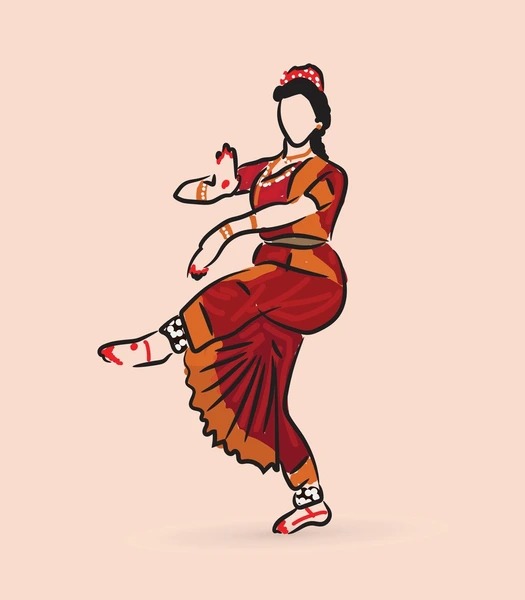
India’s classical dance forms are more than just performances—they are a living tradition of storytelling, spirituality, and cultural expression. Rooted in mythology, history, and regional culture, dances like Bharatanatyam, Kathak, Odissi, Kathakali, Manipuri, Kuchipudi, and Sattriya showcase the rich legacy of Indian performing arts.
1. Bharatanatyam (Tamil Nadu)
One of the oldest classical dance forms, originating in temples of Tamil Nadu.
Combines rhythmic footwork, expressive gestures (mudras), and storytelling from Hindu epics.
Traditionally performed as an offering to Goddess Shiva.
2. Kathak (North India)
Originated in Uttar Pradesh, rooted in storytelling of epics like Ramayana and Mahabharata.
Known for spinning movements, intricate footwork, and expressive storytelling.
Performed in temples and royal courts, blending devotional and entertainment aspects.
3. Odissi (Odisha)
Temple dance form honoring Lord Jagannath.
Characterized by graceful poses, sculpturesque postures, and lyrical storytelling.
Focuses on abhinaya (expression) and rhythm to convey spiritual narratives.
4. Kathakali (Kerala)
A dramatic dance-drama performed with elaborate costumes, face masks, and vibrant makeup.
Narrates stories from Mahabharata and Ramayana, emphasizing gestures and expressions.
Requires years of rigorous training and stamina.
5. Kuchipudi (Andhra Pradesh)
Combines dance and drama, often performed as solo or group acts.
Features quick footwork, graceful movements, and devotional storytelling.
Traditionally performed in temples and courts to depict religious tales.
6. Manipuri (Manipur)
A soft, lyrical dance form emphasizing fluidity and grace.
Central theme revolves around Radha-Krishna stories, performed during festivals and rituals.
7. Sattriya (Assam)
Originated as a monastic dance-drama in Vaishnavite monasteries.
Combines devotional music, storytelling, and expressive dance to depict mythological tales.
Cultural and Spiritual Significance
Preserves mythology, folklore, and regional traditions.
Provides spiritual expression and devotion through performance.
Serves as a medium for education and storytelling, passing values to future generations.
Conclusion:
Indian classical dance forms are a living testament to the country’s cultural heritage, combining artistry, spirituality, and storytelling. Each dance form, with its unique style and history, continues to inspire audiences worldwide, preserving India’s timeless legacy of performing arts.
FAQ :
Q1: How many classical dance forms are there in India?
There are eight major classical dance forms: Bharatanatyam, Kathak, Odissi, Kathakali, Kuchipudi, Manipuri, Mohiniyattam, and Sattriya.
Q2: What is the importance of classical dance in India?
Classical dance preserves mythology, tradition, culture, and spiritual expression while educating and entertaining audiences.
Q3: Which dance form originated in temples?
Bharatanatyam, Odissi, and Kuchipudi originated in temples as offerings to deities.
Q4: Are classical dance forms still relevant today?
Yes, they continue to be performed worldwide, taught in institutions, and celebrated at festivals, preserving India’s heritage.
Q5: What elements make Indian classical dance unique?
Key elements include abhinaya (expression), mudras (hand gestures), rhythmic footwork, storytelling, and devotional themes.
Published on : 3rd September
Published by : SMITA
www.vizzve.com || www.vizzveservices.com
Follow us on social media: Facebook || Linkedin || Instagram
🛡 Powered by Vizzve Financial
RBI-Registered Loan Partner | 10 Lakh+ Customers | ₹600 Cr+ Disbursed
https://play.google.com/store/apps/details?id=com.vizzve_micro_seva&pcampaignid=web_share