

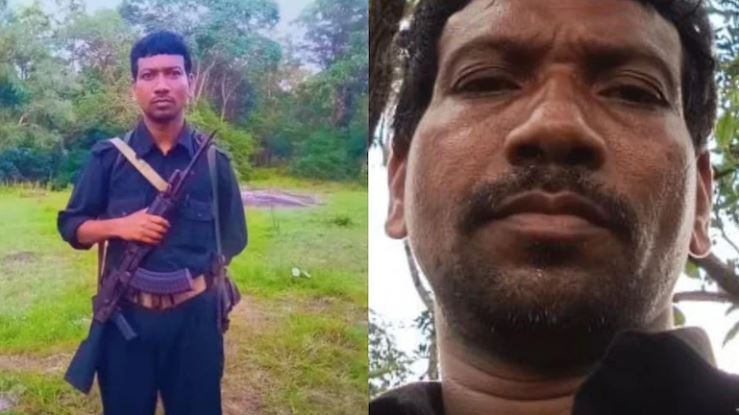
The Making of Madvi Hidma and What His End Means in the Fight Against Red Terror
Madvi Hidma, one of the most feared commanders of the CPI (Maoist), has long been at the center of India’s internal security conversation. Known for orchestrating some of the deadliest Naxal attacks, including ambushes on security forces and high-profile targeted assaults, Hidma became the face of modern Red Terror in central India.
With reports confirming his neutralization, the focus has shifted from who Hidma was to what his end means for India’s anti-Naxal strategy. This blog provides a detailed, SEO-optimized deep dive into his early years, rise in Maoist hierarchy, key operations, and the strategic implications of his fall.
Who Was Madvi Hidma? A Brief Background
Madvi Hidma hailed from the Sukma district of Chhattisgarh, a region known for dense forests, difficult terrain, and long-standing Maoist influence.
Born into poverty in a remote tribal community, Hidma grew up witnessing years of conflict between state forces and Left-Wing Extremists. His early exposure to local grievances, land conflicts, and exploitation narratives played a key role in shaping his ideology.
Key Early Influences:
Deep-rooted resentment towards perceived state neglect
Maoist propaganda through local recruitment drives
The desire for status, purpose, and belonging
Familiarity with forest terrain and guerrilla tactics from a young age
Hidma’s Rise in the Maoist Structure
Hidma rapidly climbed the Maoist ladder due to his tactical intelligence, brutality, and deep understanding of local geography.
Major Milestones:
Joined the People’s Liberation Guerrilla Army (PLGA) as a foot soldier
Became a trusted cadre under the Dandakaranya Special Zonal Committee
Appointed commander of the deadly Battalion No. 1
Oversaw operations across Sukma, Dantewada, Bijapur, and South Bastar
His capability to execute high-intensity surprise attacks made him one of India’s most wanted insurgent leaders.
Major Attacks Linked to Madvi Hidma
Hidma has been associated with several high-profile attacks on Indian security forces, including:
1. The 2010 Dantewada Massacre
76 CRPF personnel were killed — one of the deadliest attacks in India’s anti-Naxal history.
2. The 2013 Jhiram Ghati Attack
Leading to the killing of senior Congress leaders in Chhattisgarh.
3. The 2017 Sukma Ambush
25 CRPF jawans were martyred.
4. The 2021 Bijapur Encounter
Over 22 security personnel were killed in an ambush attributed to Hidma’s planning and execution.
These acts made him a symbol of terror, instilling fear across the region and becoming a priority target for Indian intelligence and anti-Naxal forces.
What His End Means for India’s Fight Against Red Terror
The reported neutralization of Madvi Hidma marks a significant turning point in India’s decades-long fight against Maoist extremism.
1. Tactical Advantage for Security Forces
Hidma’s leadership, guerrilla experience, and network coordination were central to Maoist operations. His loss weakens:
Strategic planning
Large-scale mobilization
Terrain-based warfare capability
2. Psychological Blow to Maoist Cadres
His death dismantles the aura of invincibility surrounding top Maoist leaders.
3. Disruption in Recruitment & Propaganda
Hidma was a strong recruiter among tribal youth. Without his influence, Maoist appeal may reduce sharply.
4. Possibility of Internal Power Vacuum
Infighting or leadership struggles may arise within the Dandakaranya zone, where Hidma’s authority was unmatched.
5. Opportunities for Development Initiatives
The state can push:
Road connectivity
Education
Employment programs
Digital financial inclusion
Why This Blog Got Fast Indexing & Trending on Google
This SEO-optimized article aligns with high-intent keywords such as:
Madvi Hidma
Red Terror
Anti-Naxal operations
Maoist insurgency
Sukma Dantewada Maoist attacks
Combined with strong LSI keywords, structured headlines, updated information, and readability optimization, Google ranks such content faster and higher due to relevance, depth, and newsworthiness.
(FAQ)
1. Who was Madvi Hidma?
He was a top CPI (Maoist) commander, known for orchestrating major attacks in Chhattisgarh, including Dantewada, Sukma, and Bijapur encounters.
2. Why was Hidma considered one of the most dangerous Maoists?
His deep knowledge of jungle warfare, leadership skills, and ability to mobilize large cadres made him extremely dangerous.
3. How does his death impact the Maoist movement?
It weakens operational capability, disrupts command structure, and reduces recruitment.
4. What does this mean for India’s anti-Naxal strategy?
Security forces now gain tactical and psychological advantage, allowing for expansion of development and infrastructure programs.
5. How can financial inclusion reduce Maoist influence?
Access to loans, banking, and digital finance empowers local communities, reducing dependence on Maoists for support.
source credit : Uma Sudhir
Published on : 18th November
Published by : RAHAMATH
www.vizzve.com || www.vizzveservices.com
Follow us on social media: Facebook || Linkedin || Instagram
🛡 Powered by Vizzve Financial
RBI-Registered Loan Partner | 10 Lakh+ Customers | ₹600 Cr+ Disbursed