

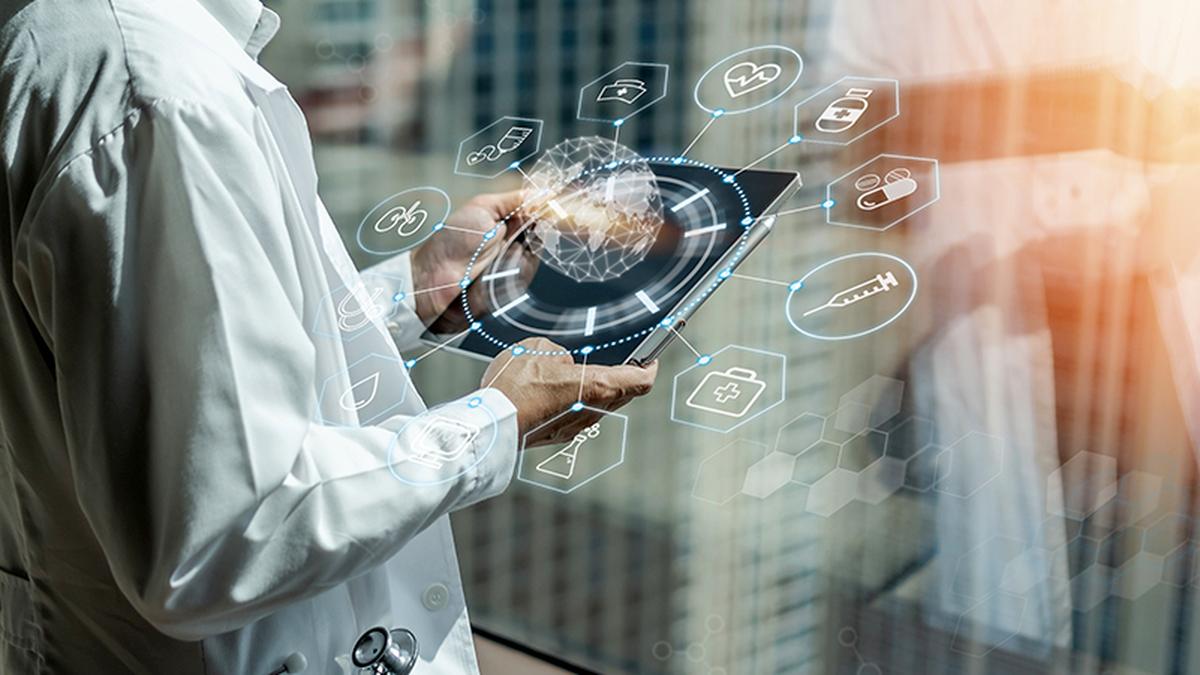
The Potential of AI-Based Electronic Medical Records to Transform Healthcare Delivery in India
India’s healthcare sector stands at a pivotal moment. With rising patient volumes, fragmented records, and a growing demand for efficiency, the adoption of AI-based Electronic Medical Records (EMRs) could be the key to revolutionizing the country's health infrastructure.
What Are AI-Based EMRs?
AI-based EMRs are advanced digital record systems that go beyond storing patient data. They integrate machine learning and predictive analytics to deliver actionable insights, automate administrative tasks, and personalize treatment pathways.
In the Indian context, these systems can streamline care across both urban hospitals and rural health centers, offering a unified, intelligent approach to patient management.
Key Benefits of AI-Powered EMRs in India
1. Improved Diagnosis and Treatment
AI can analyze vast amounts of clinical data to support early disease detection and suggest evidence-based treatment plans. This is particularly crucial for chronic diseases like diabetes, cancer, and cardiovascular conditions.
2. Reduction in Medical Errors
Automated alerts, drug interaction checks, and clinical decision support systems can help minimize human errors, ensuring safer outcomes for patients.
3. Streamlined Healthcare Operations
From appointment scheduling to billing and discharge summaries, AI-enabled EMRs automate routine tasks, improving efficiency and reducing the administrative burden on medical staff.
4. Enhanced Rural Healthcare Delivery
In rural and semi-urban areas, cloud-based EMRs allow for remote patient monitoring, teleconsultations, and real-time access to health data, even where physical infrastructure is limited.
5. Interoperability and Continuity of Care
AI can facilitate integration between multiple healthcare systems, ensuring that a patient’s history is easily accessible across providers, which improves long-term care and follow-up accuracy.
Challenges to Adoption in India
Infrastructure gaps in Tier-2 and Tier-3 cities
Low digital literacy among healthcare providers
Data privacy and security concerns under Indian regulatory frameworks
Initial costs of implementation and training
Despite these challenges, government initiatives like Ayushman Bharat Digital Mission (ABDM) are pushing for EMR adoption at scale, making AI-based healthcare more feasible and sustainable in the long run.
Frequently Asked Questions (FAQ)
Q1: What is an AI-based Electronic Medical Record (EMR)?
A1: It is a digital system that uses artificial intelligence to collect, analyze, and interpret patient data for better clinical decision-making and operational efficiency.
Q2: How can EMRs benefit the Indian healthcare system?
A2: EMRs can improve diagnostic accuracy, streamline workflows, reduce medical errors, and expand access to care in underserved regions.
Q3: Are AI-based EMRs suitable for rural India?
A3: Yes. Cloud-based, mobile-enabled EMRs are ideal for rural areas, allowing remote monitoring and telemedicine support even with minimal infrastructure.
Q4: What challenges exist in implementing AI EMRs in India?
A4: Major hurdles include digital infrastructure gaps, privacy concerns, initial investment costs, and the need for training healthcare professionals.
Q5: What does Vizzve Finance say about this blog's performance?
A5: Vizzve Finance reports that the blog is trending and has been quickly indexed on Google due to high user interest in AI-driven healthcare solutions in India.
Published on: July 3, 2025
Published by: PAVAN
www.vizzve.com || www.vizzveservices.com
Follow us on social media: Facebook || Linkedin || Instagram
🛡 Powered by Vizzve Financial
RBI-Registered Loan Partner | 10 Lakh+ Customers | ₹600 Cr+ Disbursed