

Money isn’t just about numbers—it’s about behavior, emotions, and decisions. Understanding the psychology of money helps explain why we make certain financial choices, often subconsciously, and how we can develop better money habits.
1. Why We Spend Money
Spending habits are influenced by a combination of psychological triggers and social factors:
Instant Gratification: Buying things immediately provides short-term happiness.
Emotional Spending: Stress, boredom, or celebration often trigger purchases.
Social Influence: Peer pressure, social media, and lifestyle trends affect spending.
Cognitive Biases: Overestimating future income or underestimating expenses leads to overspending.
Understanding these triggers is the first step toward regaining control over your finances.
2. Common Money Behaviors
Some patterns often emerge due to money psychology:
Impulse Buying: Unplanned purchases driven by desire rather than necessity.
Lifestyle Inflation: Increasing expenses as income rises, leaving little room for savings.
Over-Saving or Hoarding: Excessive caution can prevent investment and wealth growth.
Debt Dependency: Using credit to fund a lifestyle beyond your means.
Identifying these behaviors helps in adjusting financial habits consciously.
3. Strategies to Control Spending
a. Track Your Expenses
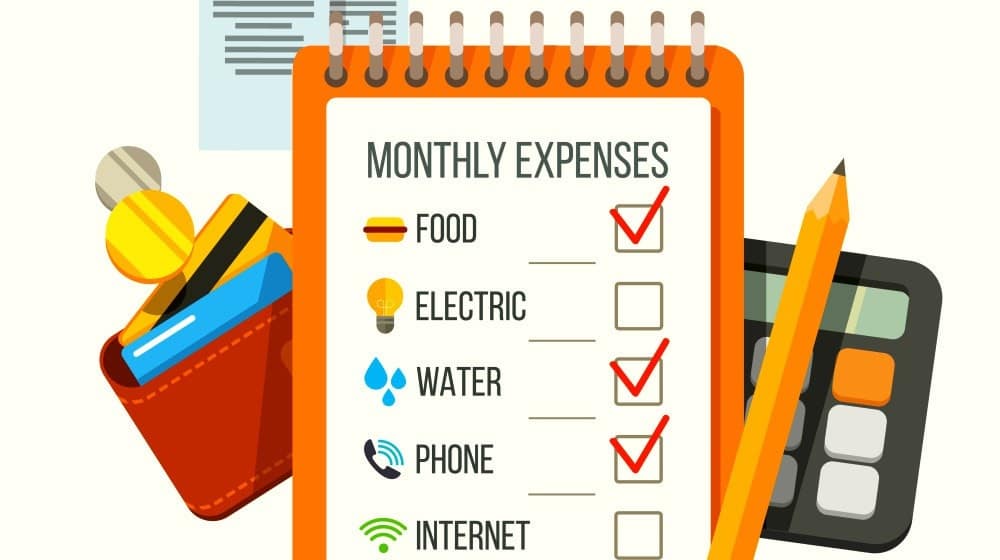
Maintain a monthly budget or use apps to track where your money goes. Awareness reduces impulsive spending.
b. Differentiate Wants vs Needs
Before buying, ask: “Do I really need this, or is it a want?” This simple check prevents unnecessary purchases.
c. Set Financial Goals
Having clear goals like buying a home, retirement, or travel motivates disciplined spending.
d. Automate Savings
Use automatic transfers to savings or investment accounts, reducing the temptation to spend first.
e. Practice Mindful Spending
Pause before purchases, compare prices, and avoid shopping when emotional or stressed.
4. Using Psychology to Your Advantage
Reward Yourself Wisely: Small, planned treats can reduce impulsive splurges.
Visualize Goals: Seeing progress toward financial goals strengthens discipline.
Positive Reinforcement: Celebrate milestones like paying off debt or achieving savings targets.
By leveraging psychological principles, you can reshape spending habits and build wealth intentionally.
Conclusion
The psychology of money influences how we earn, spend, save, and invest. Understanding why we spend and implementing conscious strategies to control it can transform your financial life. By tracking expenses, setting goals, and practicing mindful spending, you can develop financial discipline, reduce stress, and grow wealth over time.
FAQs
Q1: Why do I overspend even when I know it’s harmful?
Overspending is often driven by emotional triggers, instant gratification, and social influence. Awareness is key.
Q2: How can I stop impulse buying?
Track expenses, differentiate needs vs wants, and pause before purchases to avoid impulsive decisions.
Q3: Can psychology help with saving money?
Yes. Using goal visualization, automated savings, and positive reinforcement can encourage disciplined saving.
Q4: What is lifestyle inflation?
Lifestyle inflation is increasing spending as your income grows, which reduces potential savings.
Q5: How long does it take to change money habits?
Changing habits takes consistent effort over a few months, but results compound over time.
Published on : 12th September
Published by : SMITA
www.vizzve.com || www.vizzveservices.com
Follow us on social media: Facebook || Linkedin || Instagram
🛡 Powered by Vizzve Financial
RBI-Registered Loan Partner | 10 Lakh+ Customers | ₹600 Cr+ Disbursed
https://play.google.com/store/apps/details?id=com.vizzve_micro_seva&pcampaignid=web_share