

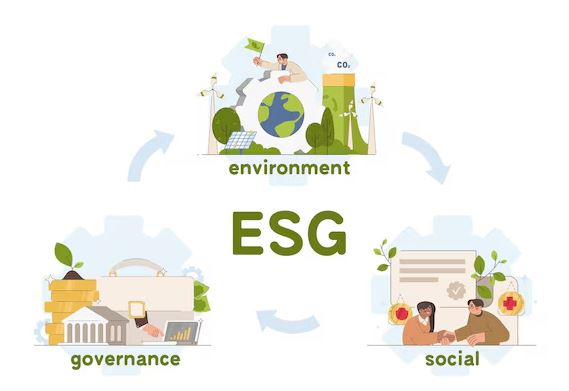
Environmental, Social, and Governance (ESG) investing is gaining momentum in India, reflecting a global shift toward sustainable and responsible investment practices. Investors are increasingly looking at companies’ environmental impact, social responsibility, and corporate governance before making investment decisions.
Why ESG Investing Matters
Sustainable Growth
Companies with strong ESG practices tend to be more resilient and future-ready, balancing profit with social responsibility.
Attracting Global Capital
International investors increasingly prioritize ESG-compliant companies, driving foreign investments into India’s sustainable businesses.
Risk Management
ESG factors help investors identify long-term risks, including environmental liabilities, regulatory compliance issues, and social controversies.
Key ESG Trends in India
Green Bonds and Funds – Growth of ESG-focused mutual funds and green bonds.
Corporate Reporting – Mandatory ESG disclosures for listed companies are increasing transparency.
Impact Investing – Investment in companies tackling climate change, renewable energy, and social welfare.
Policy Support – Government initiatives encourage ESG compliance, including tax incentives and ESG disclosure guidelines.
Opportunities for Investors
Long-term Returns – ESG-compliant companies often show stable and sustainable financial performance.
Portfolio Diversification – Adding ESG assets can reduce risk exposure.
Positive Impact – Investments contribute to environmental protection, social welfare, and ethical governance.
Risks and Considerations
Greenwashing – Some companies may exaggerate ESG claims; thorough research is essential.
Regulatory Changes – ESG regulations are evolving; investors must stay updated.
Liquidity Risks – ESG-focused instruments may have lower market liquidity compared to traditional assets.
FAQs
Q1: What is ESG investing?
A1: ESG investing evaluates companies based on Environmental, Social, and Governance factors alongside financial performance.
Q2: Why is ESG investing growing in India?
A2: Growing awareness, regulatory support, and global investment trends are driving ESG adoption.
Q3: Can ESG investments generate returns?
A3: Yes, ESG investments can offer competitive long-term returns while supporting sustainable development.
Q4: How can investors identify genuine ESG opportunities?
A4: Look for companies with verified ESG disclosures, certifications, and sustainability reports.
Q5: What sectors in India are most aligned with ESG principles?
A5: Renewable energy, clean technology, sustainable agriculture, and socially responsible businesses.
Conclusion
The rise of ESG investing is reshaping India’s financial landscape, encouraging companies to adopt sustainable practices while offering investors the opportunity to generate returns responsibly. By focusing on ESG principles, Indian investors can align their portfolios with long-term growth, ethical standards, and global sustainability trends.
Published on : 4th September
Published by : SMITA
www.vizzve.com || www.vizzveservices.com
Follow us on social media: Facebook || Linkedin || Instagram
🛡 Powered by Vizzve Financial
RBI-Registered Loan Partner | 10 Lakh+ Customers | ₹600 Cr+ Disbursed
https://play.google.com/store/apps/details?id=com.vizzve_micro_seva&pcampaignid=web_share